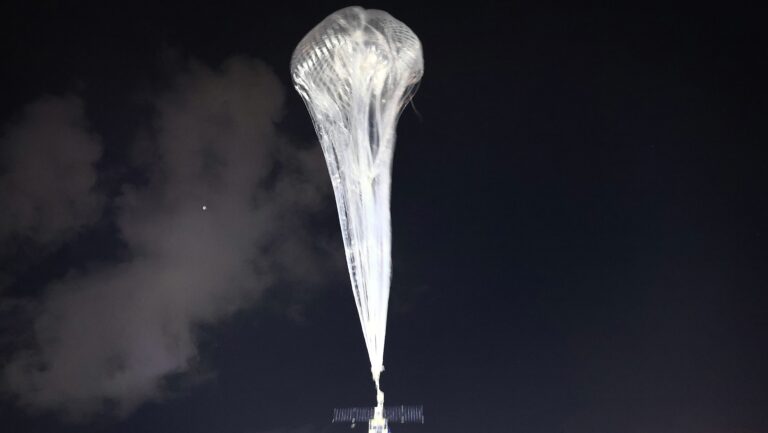
The U.S. Army and the Joint Staff are set to begin testing a groundbreaking prototype known as Project Wallabee. This new system features an autonomous target recognition sensor mounted on a high-altitude stratospheric balloon, marking an ambitious push to dominate the atmosphere above 60,000 feet—a region that has long presented significant technical hurdles for military operations.
Engineering for extremes: The challenge of thin air and freezing temperatures
This upcoming exercise marks the first time the military will pair Urban Sky’s high-altitude platform with Applied Intuition’s specialized miniaturized sensors. Navigating the stratosphere is notoriously difficult due to harsh physical limitations, including extreme weather patterns and thinning air that prevents traditional, heavy payloads from functioning effectively.
Until now, military investments have largely focused on heavier sensors that require substantial power. Project Wallabee changes this paradigm by utilizing advancements in sensor miniaturization that can withstand the vast temperature swings and low air density of the stratosphere. This allows for persistent surveillance in a domain that was previously underutilized due to environmental constraints.
A multi-layered shield: Creating dilemmas for global adversaries
The strategic intent behind Project Wallabee is to build a „multi-layered sensing ecosystem.” By integrating sensors from the ground, air, stratosphere, and space, defense officials aim to create a robust network that is difficult for adversaries to counter. This layered approach ensures that the military does not rely on a single domain for its intelligence needs.
Relying solely on space-based or ground-based assets provides enemies with a clear target for countermeasures. By incorporating stratospheric balloons, the force can provide early-entry troops with vital data without being dependent on uncontested satellite communications or expensive space systems. This creates a complex strategic dilemma for any potential adversary attempting to disrupt American surveillance capabilities.
Smart investment: Learning lessons before the big spend
Data gathered from Project Wallabee will directly inform future large-scale experiments, including a massive „balloon swarm” exercise scheduled for later this year. This proactive testing phase is part of a broader shift toward experimenting with prototypes before committing to heavy long-term investments in specific programs.
Military leaders emphasize that while the project is still in its early stages, the exploitation of the stratospheric domain is a strategic necessity. By learning these technical lessons now, the military can avoid repeating costly mistakes and ensure that future investments are directed toward technologies that are proven to thrive in the most challenging environments on Earth.