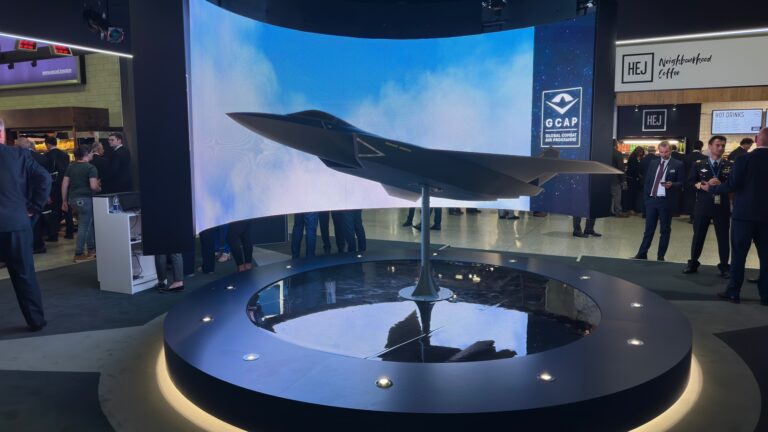
The United Kingdom is preparing to take a decisive step in strengthening its air defense, announcing the imminent signing of the international contract for the future sixth-generation fighter jet. The decision follows bilateral talks held over the weekend between Prime Minister Keir Starmer and his Japanese counterpart, Sanae Takaichi, confirming a firm commitment to the Global Combat Air Programme (GCAP), conducted in partnership with Italy and Japan.
A strategic commitment between London and Tokyo amidst budgetary uncertainty
Although the flagship GCAP project has recently been marked by uncertainty due to tensions between the Ministry of Defence and the British Treasury, the official signing of the contract by the end of this month is intended to dispel the concerns of international partners. During the meeting in London, the leaders of the two governments emphasized the necessity of launching the next phase of the program, which is vital for the goal of having the new aircraft enter active service by 2035.
Political turmoil in London: Resignations and financial disputes over defense funding
Despite official optimism, the program faces major internal turbulence. Former Defense Secretary John Healey and Armed Forces Minister Al Carns resigned in protest over the lack of adequate funding in the new Defence Investment Plan (DIP). The dispute centers on an £18 billion budget gap, with the Starmer government being accused of proposing investment figures well below NATO recommendations, a move that could endanger national security and the pace of new military technology development.
Beyond the manned aircraft: A family of systems set to replace the Typhoon and F-2 fleets
The GCAP project is not just about a new fighter jet designed to replace the Eurofighter Typhoon and Mitsubishi F-2 models. It represents a complex combat ecosystem that includes a „family of systems,” where the manned aircraft will be assisted by unmanned platforms (drone wingmen) equipped with artificial intelligence. In parallel with these details, the future investment plan, set to be published before the NATO summit in Ankara, may also clarify London’s intention to acquire a fleet of F-35A aircraft capable of carrying nuclear weapons, thereby completing the security architecture of the coming decade.