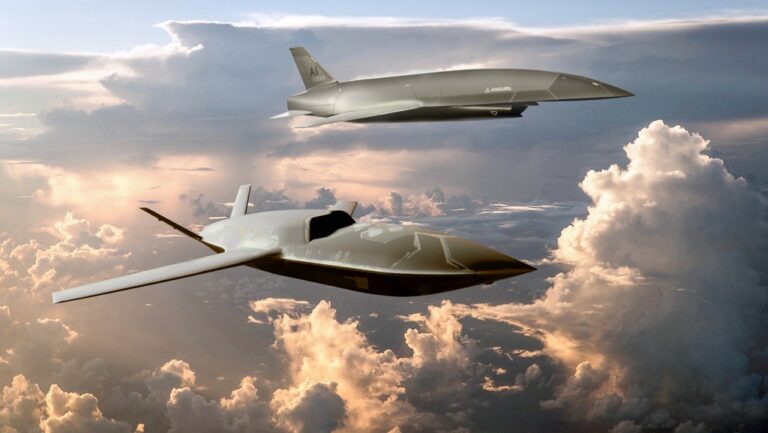
In an era where technology advances faster than legislation, the debate over autonomous weapon systems is reaching a breaking point. The stark reality is that this phenomenon can no longer be stopped, and attempts to impose traditional arms control on digital weaponry are destined to fail due to the impossibility of defining clear boundaries.
An impossible line to draw: The failure of digital arms control before it begins
Any effective arms control regime must begin with precise definitions, yet in the case of lethal autonomy, this is nearly impossible. It is extremely difficult to draw a line between defensive systems, considered „good,” and offensive ones, considered „bad,” when an autonomous air defense system can just as easily shoot down a civilian airliner. Most weapons can be used in both modes; in the end, the act of killing remains the same.
The fundamental problem lies in the immense appetite for technologies that automate target detection and engagement planning. Although there is a theoretical barrier between preparing an attack and actually pulling the trigger, technically, this boundary is trivial. In a modern electronic system, the „trigger” is merely a digital switch that can be programmed to close autonomously with disarming ease, making any attempt at external control impossible to verify without intrusive inspections that no nation would ever accept.
The moral dilemma of the battlefield: Should machines replace humans in the line of fire?
Beyond the technical difficulties, a provocative ethical question arises: why would we prefer humans to kill and be killed in war instead of letting machines take over these functions? The history of human progress has been marked by the transfer of dangerous or repetitive tasks to machines. If conflicts must be resolved through competitive violence, the idea of machines fighting instead of humans is not as ridiculous as it seems.
What is truly problematic is our continued preference for sending human beings to slaughter each other to resolve political differences. Instead of attempting an impossible ban on technology, a more pragmatic approach would be to focus on human accountability. Regardless of the tools used, the individuals who order or permit the use of force must remain responsible under the laws of armed conflict.
Human accountability in the age of algorithms: Who pays for the errors of autonomous systems?
To prevent abuse, a significant increase in accountability standards is necessary. If we allow machines to make lethal decisions, we must raise the legal bar for those who design, test, and deploy them. Any entity using an autonomous system should have a legal duty to ensure that it complies with the laws of war.
This responsibility should extend across the entire chain of command: from designers and testers to political decision-makers. It may be necessary to implement a certification process similar to aircraft airworthiness, where specialized organizations verify system compliance. In cases of egregious violations, such as the intentional slaughter of civilians, the humans who directed or permitted the use of these systems must be held criminally liable, just as they are today.
The genie is out of the bottle: A future where robots are sacrificed to save human lives
Geopolitical reality indicates that the development of lethal autonomy cannot be stopped. The military advantages are far too great, and many nations will adopt these technologies out of fear that their adversaries will do so first. Advances in artificial intelligence and target recognition are already far too advanced to be „put back in the bottle.”
Once accepted, lethal autonomy opens up fascinating tactical options. Specifically, it becomes permissible to sacrifice inexpensive robotic systems to gain an operational advantage, thereby avoiding sending soldiers on suicide missions just to draw enemy fire. Modern conflict has already demonstrated that the use of unmanned systems is no longer just an attractive option, but an absolute necessity on the battlefield of the future.