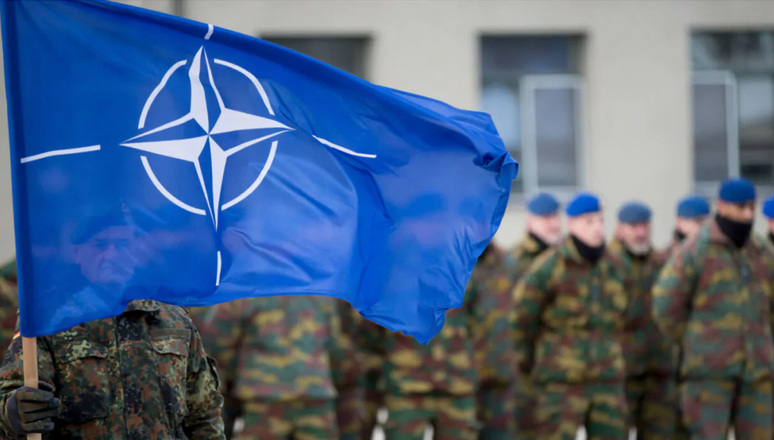
On the eve of the NATO summit in Ankara, the relationship between Turkey and its transatlantic allies is undergoing a profound redefinition. While recent conflicts and shifting security priorities have tightened the bonds between Ankara and the North Atlantic bloc, particularly within the defense industry, significant pressure points remain active beneath the surface of this seemingly strengthened cooperation. Experts emphasize that Turkey’s position within the Alliance is stronger today than it has been in years, with Ankara viewed as a central player in securing the Southern Flank, managing the Black Sea, and controlling crises across the wider neighborhood.
Regional Ambitions vs. European Exclusion
Despite its strategic importance, Ankara feels that Europe is not doing enough to integrate it into the continent’s emerging defense architectures. Turkish officials have sharply criticized what they call a „lack of vision” from European leaders, arguing that excluding Turkey’s massive industrial capabilities from EU defense initiatives is a strategic blunder. Conversely, Turkey’s desire to remain an autonomous regional power creates friction: Ankara refuses to subordinate its geopolitical priorities to the agendas of Washington or Brussels, especially when they clash with its interests in the Eastern Mediterranean or the Middle East.
Military Might: From TB3 Drones to Black Sea Dominance
Turkey’s contribution to NATO missions remains, however, undeniable. From the aerial defense support received during tensions with Iran to its massive participation in the „Steadfast Defender” exercise—deploying over 2,000 troops and the TCG Anadolu carrier—Ankara is showcasing an elite military force. A historic milestone was marked by the first operational use of armed TB3 drones from a flat-deck ship, a purely Turkish innovation. Furthermore, Ankara’s role in the Ukraine conflict—blocking Russian warships from the Black Sea and supplying Bayraktar drones—has become a vital pillar in the strategy to deter Russian aggression.
The F-35 and KAAN: The Gordian Knot of US Relations
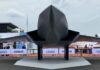
The most sensitive issue remains the relationship with the United States, scarred by Turkey’s 2019 expulsion from the F-35 program following its purchase of Russian S-400 systems. While there are signals regarding a potential breakthrough in the delivery of General Electric F110 engines for Turkey’s indigenous next-generation fighter, KAAN, the F-35 issue remains politically stalled. For Ankara, the priority has shifted toward developing its own fifth-generation technologies, attempting to turn a sanction into a catalyst for industrial independence. The Ankara summit will be the ultimate test: if allies integrate Turkey into long-term planning, its influence will become unshakable; if not, transactional pragmatism will continue to define this complex partnership.