The U.S. Space Systems Command is taking a strategic step to reduce dependence on industry giants by opening doors to new technological players. The mission is clear: ensuring flexible and rapid orbital access for less critical but essential data infrastructure payloads.
A new era for the Lane 1 program: Seven providers compete for billion-dollar contracts
The United States Space Force has approved the inclusion of Impulse Space and Relativity Federal into the pool of qualified launch providers for the National Security Space Launch (NSSL) Phase 3, Lane 1 program. The two California-based entities join a select group that includes names such as SpaceX, Blue Origin, and United Launch Alliance (ULA).
Lane 1 is specifically designed for missions targeting easier-to-reach orbits and lower-mass payloads, such as data transport and missile tracking satellites. Through this expansion, the U.S. military aims to stimulate competition in a sector valued at $5.6 billion through 2030, providing each new entrant with an initial $5 million award for technical capability assessments.
The risk of a SpaceX monopoly and the need for strategic alternatives
The timing of this expansion is not coincidental. The U.S. launch market is undergoing a period of uncertainty following SpaceX’s announcement to limit commercial rideshare orders for its Falcon 9 rocket starting in 2028. In a context where Falcon 9 accounted for approximately 85% of all U.S. launches in 2025, the Pentagon is cautiously viewing this excessive dependence.
Military analysts suggest this move reflects the authorities’ desire to mitigate risks, especially as SpaceX appears to shift its focus toward Starship and AI data centers. Diversifying providers in Lane 1 represents an insurance policy for national security, ensuring that space access will not be hindered by the strategy shifts of a single operator.
Technological innovation: From reusable rockets to orbital transfer vehicles
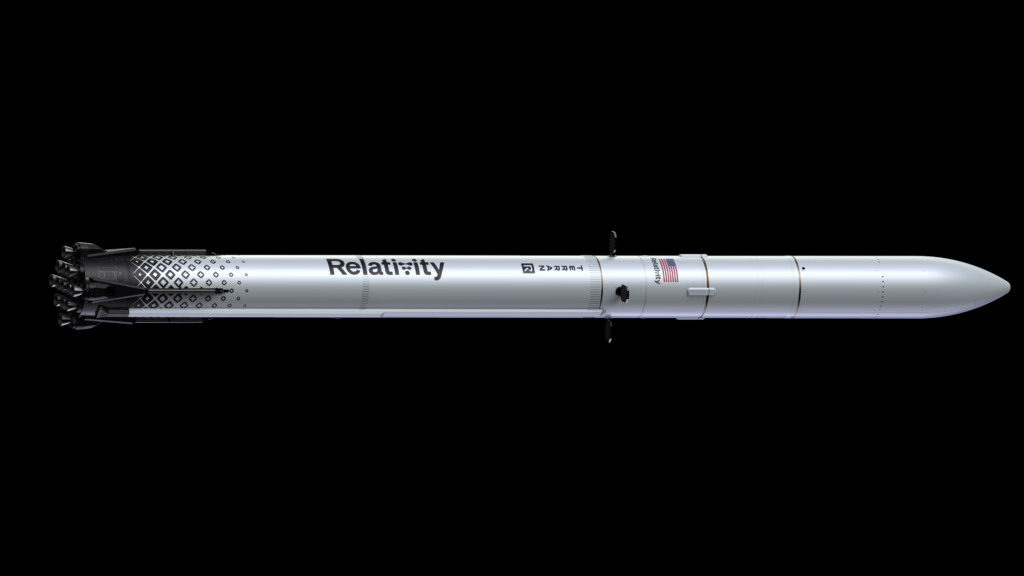
Although neither Impulse Space nor Relativity Federal has yet conducted an orbital launch, their proposed technologies promise to revolutionize space logistics. Relativity is banking on Terran R, a fully reusable rocket scheduled for its first launch late this year.
On the other hand, Impulse Space brings a first to the NSSL program: it is the first time an upper-stage provider has been selected as a prime contractor. Their vehicle, Helios, is a „kick-stage” designed to attach to any medium-lift rocket, providing an additional boost to place heavy payloads into high orbits in a much more cost-effective manner. The first Helios mission is planned for late 2026, marking a paradigm shift in the operational flexibility of military space missions.