Transforming a Legacy Munition into a Strategic Asset
The defense procurement landscape has shifted with the approval of production for an advanced version of the Joint Direct Attack Munition (JDAM) kit, now equipped with a turbojet engine. This modification elevates a combat-proven precision weapon, which has been in service for over two decades, into a potent long-range strike option. This upgrade decisively overcomes the inherent range limitations of previous iterations, which relied solely on unpowered glide technology.
Enhanced Performance and Cost-Efficiency
The new JDAM Long Range variant represents a significant technological leap. While previous „extended range” models were limited to a reach of approximately 45 miles, the integration of a jet engine extends the engagement range of a 500-pound class payload to over 340 miles. This long-range strike capability is achieved through a highly cost-effective approach, leveraging existing infrastructure to deliver precision strike capabilities at a fraction of the cost of traditional cruise missiles.
Broad Integration Across Air Platforms
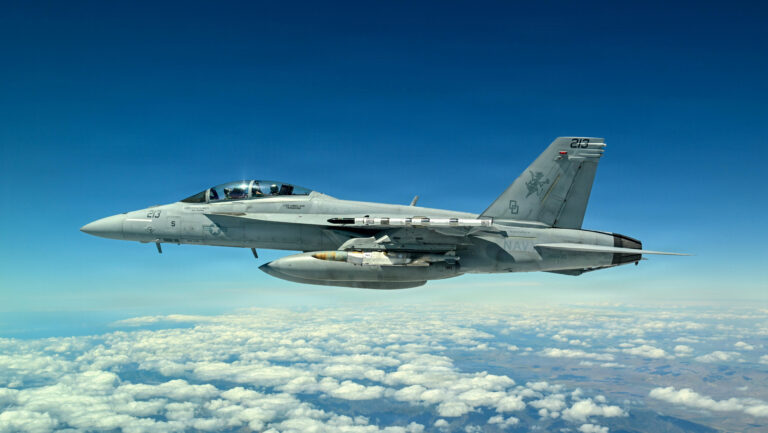
A critical strength of this new munition is its versatility. The system has been designed for rapid integration with a wide array of aircraft already capable of carrying conventional JDAMs. From fighter jets such as the F/A-18 Super Hornet and F-15, to strategic bombers like the B-52, and even unmanned aerial vehicles like the MQ-9A Reaper, the new kit empowers these platforms to execute strike missions while remaining safely outside the reach of adversary air defense systems.
A Strategic Response to Current Tactical Requirements
The decision to fast-track the production of this munition comes amid mounting pressure on military stockpiles, strained by ongoing regional conflicts. The urgent need to conserve high-cost assets while providing commanders with safe standoff engagement options has made this capability a tactical priority. By enabling precision strikes from outside contested areas, air forces can maintain operational effectiveness and lethality, while successfully navigating the logistical and fiscal challenges of an environment characterized by equipment attrition and the need for rapid, affordable, and scalable solutions.