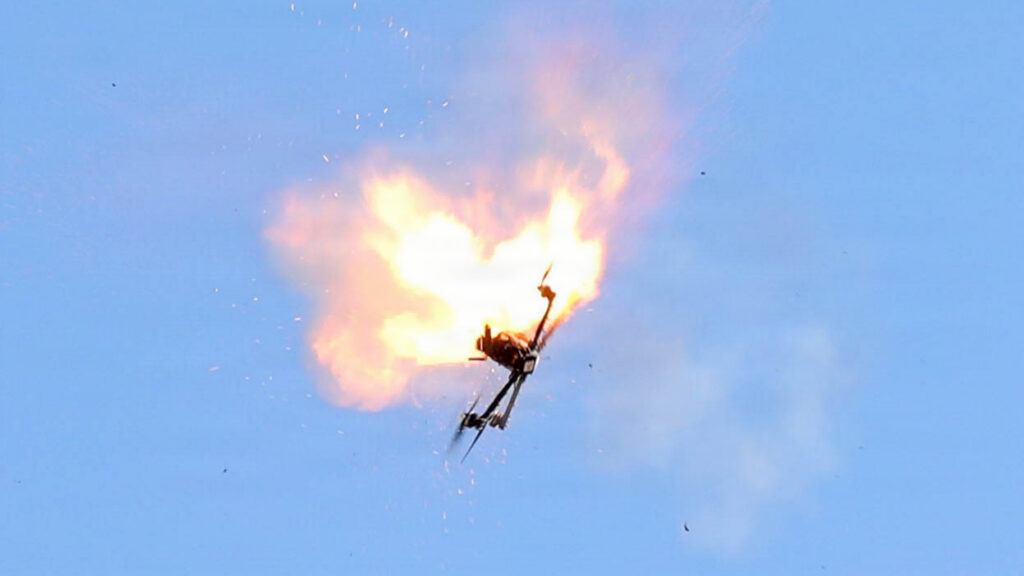
The relentless terrain of Arizona is becoming an essential laboratory for military technology, providing critical data to protect forces deployed in Middle Eastern theaters of operation against evolving aerial threats.
The relentless terrain of Yuma, Arizona, has become a vital proving ground for modern warfare. With extreme heat, punishing wind, and pervasive dust, this environment serves as a mirror for the operational realities faced by forces in the Middle East. Recent exercises aimed to stress-test cutting-edge counter-drone technologies, transforming raw field data into actionable lessons for personnel deployed in highly contested theaters.
Hardening Technology for the Frontlines
The physical toll of the desert is not merely a challenge for soldiers but for the hardware itself. Solar panels designed to power defensive arrays struggle against thick layers of dust, while unrelenting sunlight obscures digital interfaces, hindering operator visibility. These field trials have pushed developers to implement simple but critical modifications, from ruggedized display shields to efficient maintenance protocols, ensuring that defensive systems are not just functional in a laboratory, but reliable under the intense pressures of forward combat.
The Architecture of a Layered Defense
At the heart of these trials is the urgent need to neutralize increasingly sophisticated threats, such as Iranian-designed drones. Military leaders are prioritizing the development of a robust „layered defense” ecosystem. By integrating active and passive sensing, kinetic interceptors, and ballistic countermeasures, the goal is to create a multi-layered shield that ensures critical assets are protected with overlapping defensive capabilities, offering commanders greater flexibility and reliability in high-threat environments.