














Amidst a strained geopolitical climate in the Middle East, US military leaders are currently analyzing the damage sustained by bases across the region, weighing the costs of repairs against the necessity of reconfiguring their global military posture.
Strategy Under Scrutiny: Evaluating the Military Footprint
Defense officials are currently conducting assessments alongside the US Central Command (CENTCOM) to determine the full impact of attacks on US installations, a critical task for shaping future actions. This review aims to go beyond simple infrastructure restoration, integrating a long-term strategic approach. The Department of Defense seeks to prioritize investments in areas where American presence is truly vital, adapting to new realities on the ground.
Exposed Vulnerabilities: The Impact of Recent Strikes
Following the military exchanges in February, US bases became the primary targets for Iran and its allied proxies. Reports indicate significant damage to key installations, such as Al Udeid Air Base in Qatar—where the air operations center was rendered inoperable—as well as other bases in Saudi Arabia and Jordan. A stark example of the situation’s severity is the Naval Support Activity in Bahrain, where operations have been halted indefinitely, with officials confirming the location’s inoperability.
Despite legislative pressure to publicly disclose the costs associated with repairs and the broader impact of the conflict, the Pentagon is adopting a calculated approach. Officials maintain that, in the face of a constantly evolving threat environment, the traditional approach to constructing and protecting bases must be radically rethought.
A New Paradigm: Treating Bases as Weapon Systems
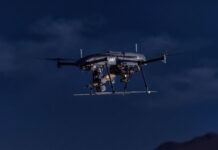
Modern challenges, particularly the proliferation of drones and cruise missiles, are forcing the Pentagon to shift its mindset. This transformation involves abandoning the concept of a base as mere real estate and adopting the vision that „the installation is a weapon system” itself, which must be treated and protected as such.
The Pentagon is developing new methods to ensure the resilience and defensive capacity of these bases, investing in advanced systems and integrated defensive strategies that go beyond simple physical fortifications. Current efforts involve close collaboration to strengthen protection at each individual base and to strategically prioritize the most exposed locations, with the declared goal of minimizing risk, whether these installations are located in the Middle East or on the US mainland.