





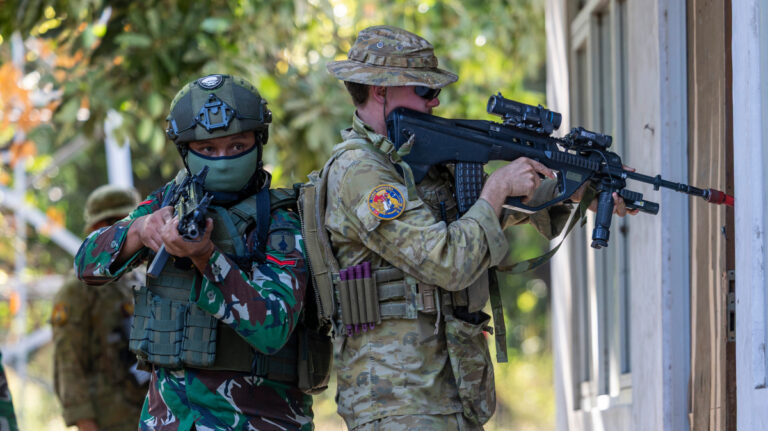
Australia and Indonesia have concluded a major bilateral military exercise involving around 1,000 Australian personnel alongside their Indonesian counterparts. Held from October 12 to 20 in and around eastern Java, the drills included several firsts for Canberra and formed part of broader efforts to strengthen cooperation between the two countries’ armed forces.
Joint drills with strategic goals
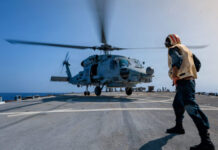
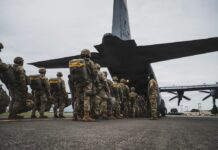
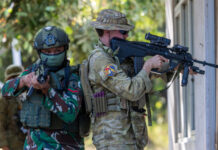
Keris Woomera was the Australian Defence Force’s largest overseas training activity of the year. The exercise gave Australian and Indonesian personnel an opportunity to work together in complex scenarios, coordinate procedures and improve their ability to operate jointly.
Australia said the drills would help Indonesia strengthen its capacity to deter military coercion and defend its sovereignty. Canberra also aims to improve its own ability to deter potential threats to Australia and protect the country’s maritime approaches.
Three firsts for Australian forces
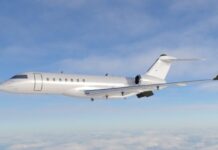
The exercise featured several activities conducted overseas by Australia for the first time. The HIMARS high-mobility artillery rocket system was deployed and fired abroad for the first time. An aircraft from the Royal Australian Air Force’s No. 4 Squadron also deployed to Southeast Asia for the first time since World War II.
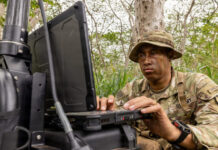
The exercise also marked the first time Australia and Indonesia conducted cyber integration training. Australian officials described the drills as an opportunity to test how the two militaries could address shared security challenges and adapt to a rapidly changing strategic environment.
Building trust and interoperability
The exercise followed the signing, in February, of the Australia–Indonesia Treaty on Common Security. The agreement reaffirms the countries’ relationship and their commitment to contributing to regional security and stability.
Fauzan Malufti, a researcher at the Jakarta-based Centre for Strategic and International Studies, described Keris Woomera as part of a series of increasingly frequent exercises intended to build trust and familiarity between the two militaries, from unit level to senior leadership.
The drills help personnel better understand each other’s procedures, communications, planning and command systems. Greater familiarity could make it easier for the forces to work together, including in combat scenarios.
Expansion plans face practical and political limits
This year’s exercise was the second since the series began in 2024. Malufti said Australia may want future iterations to become more complex as the regional security environment grows more challenging.
However, any expansion is not guaranteed. Indonesia’s military capabilities and political considerations could constrain the scope of future cooperation. Jakarta’s policy of non-alignment may also make it wary of steps that could be interpreted as favouring one country over another.
The demands on Indonesia’s armed forces are another consideration. While the military is increasing its engagement with foreign counterparts, domestic activities unrelated to defence also place significant demands on its resources and leadership.
A busy month for Australia’s regional military engagements
Keris Woomera took place amid a busy month of regional activity for Australia’s armed forces. A detachment of F-35 Lightning II aircraft is in Singapore for Exercise Bersama Lima, held under the Five Power Defence Arrangements alongside forces from Malaysia, New Zealand, Singapore and the United Kingdom.
In Japan, around 300 Australian personnel are taking part in Exercise Keen Sword. Australia has deployed a frigate and a Boeing P-8A Poseidon maritime patrol and anti-submarine warfare aircraft, joining Japanese, US and other participating forces.