





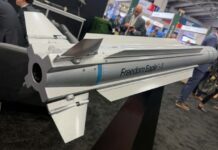
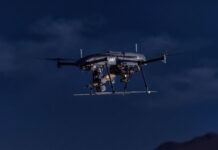




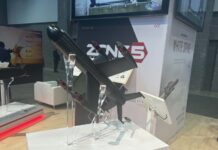
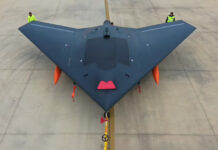


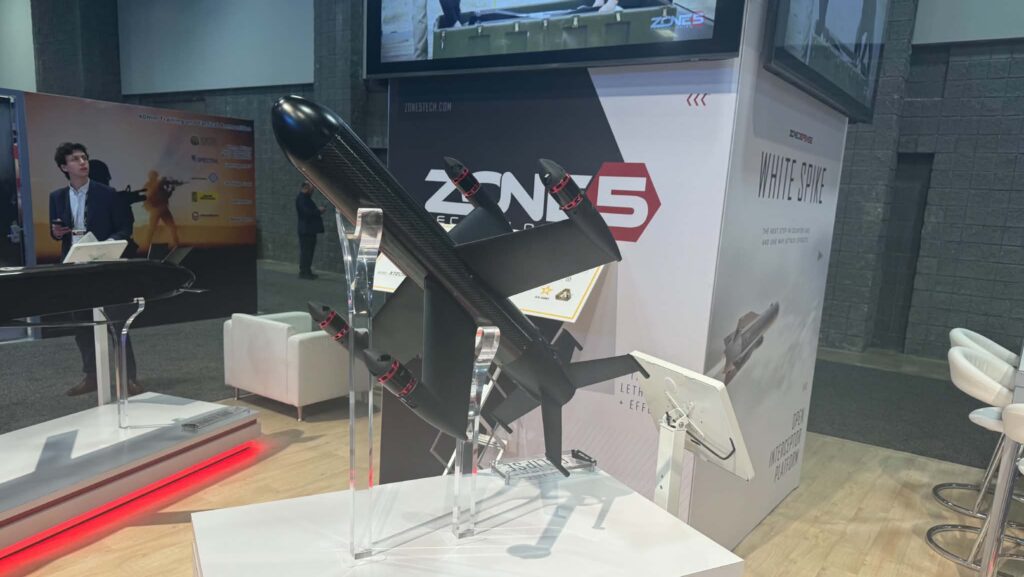
Defense startup Zone 5 debuted its new interceptor, dubbed “Eclipse,” at the AUSA conference, designed to combat high-speed, unmanned aerial threats. Recently acquired by the Norwegian defense firm Kongsberg, the company aims to provide a reusable, cost-effective option for layered defense systems.
Technical specifications and capabilities
The Eclipse is designed for modularity, capable of carrying diverse payloads, such as a high-powered microwave to neutralize drone electronics or a kinetic payload to physically destroy targets.
Key technical specifications include:
- Flight capabilities: Vertical takeoff and landing (VTOL).
- Performance: Speeds exceeding 200 knots (approximately 230 mph) and a range surpassing 30 miles.
- Status: Currently in development, with an expected timeline of approximately six months until production, targeting an output of hundreds of units per month.
Strategic context and Kongsberg acquisition
The Eclipse complements Zone 5’s growing portfolio, which includes the Paladin system, the White Spike anti-air missile, and the Rusty Dagger cruise missile. The acquisition by Kongsberg provides Zone 5 with access to international resources and a broader vendor base, helping to expand supply chains beyond the US. The long-term goal is to produce thousands of missiles annually by leveraging Kongsberg’s resources to improve product lethality and survivability.
Market outlook and budgetary uncertainties
A significant opportunity for the company is the US Air Force’s “Family of Affordable Mass Missiles” (FAMM) program, which envisions multi-year procurement deals. However, the program’s success relies on stable funding, which remains uncertain due to ongoing budgetary hurdles. CEO Thomas Akers warned that if multi-year procurement schedules are not met, it will signal industry risk and likely result in a broader recoil across the sector, extending beyond just the FAMM program.