

Reconnaissance on rivers, in the air and underwater
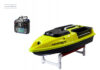
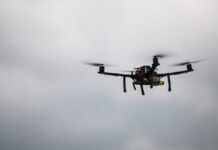
The US Southern Command (SOUTHCOM) is seeking autonomous maritime systems tailored to the environments of Central and South America to support counter-drug operations. Gen. Francis Donovan, who has led the command since February, said one priority is a river-reconnaissance capability combining adaptable unmanned surface, aerial and underwater platforms.
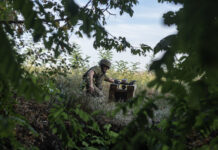
The systems would travel along regional waterways, gather intelligence and help US forces understand how criminal networks use rivers to move narcotics. They could also help locate concealed sites in dense foliage where traffickers assemble boats.
“We need systems uniquely tailored to our environment,” Donovan said in an interview on October 13.
A hub for testing, training and operations
The push for these capabilities follows the creation of SOUTHCOM’s Autonomous Warfare Command (SAWC). Its mission is to employ autonomous, semi-autonomous and unmanned platforms against threats across multiple domains, linking tactical activity with long-term strategic objectives.
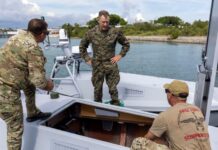
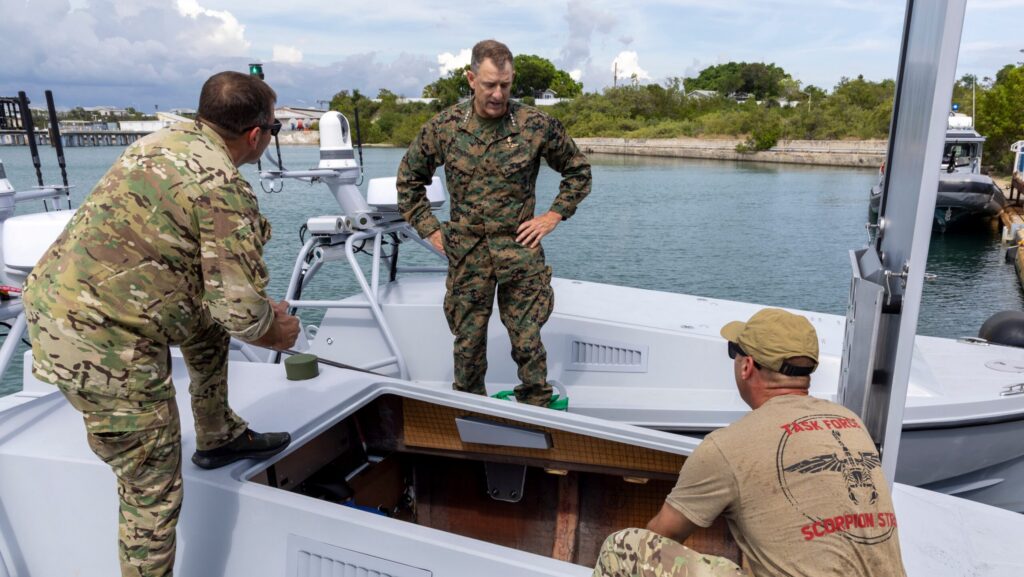
SAWC is intended to give SOUTHCOM, other US forces and allied partners a place to test and train with unmanned technologies. That work includes a facility at Guantanamo Bay, Cuba. Federal agencies and defense-industry companies are also invited to bring in and test their systems.
Donovan stressed, however, that testing is not the end goal: the systems are meant to be used in operations. He said autonomous platforms would be tested and deployed near threats in the Western Hemisphere to support efforts against adversaries.
Uncrewed vessels deployed near the Panama Canal
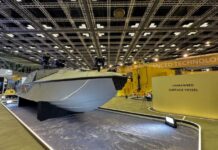
One example is the Corsair uncrewed surface vessel, manufactured by Saronic. The vessels were sent to Guantanamo and later deployed in areas on both sides of the Panama Canal.
According to Donovan, they are assisting local forces in counter-narcoterrorism operations and helping protect the canal’s physical security.
SAWC was established months before US Defense Secretary Pete Hegseth announced plans in September for a new senior-level autonomous warfare command, known as AUTOWARCOM. SOUTHCOM says it is working closely with the Pentagon to integrate autonomous platforms and artificial intelligence.
The command is also expanding its personnel. Those attracted to the effort include Air Force Pararescue specialists, Navy SEALs, riverine warfare personnel, Army Green Berets, Marine Corps ground-intelligence and information-warfare specialists, and maritime intelligence, surveillance and reconnaissance officers.
Lower-cost systems could ease pressure on military resources
Countering narco-terrorism is not a new mission for SOUTHCOM, but the Trump administration has placed greater emphasis on it. The command leads Joint Task Force Western Hemisphere, which replaced Operation Southern Spear and is focused on curbing the flow of drugs from South America to the United States. The effort includes lethal strikes and joint ground operations, an approach that has drawn controversy.
Donovan noted that SOUTHCOM, like other commands, must compete for shared military resources. Uncrewed systems can therefore offer a useful alternative to keeping costly vessels at sea for extended periods.
In some missions, he said, there is no need for a destroyer to remain at sea for a long time. A cheaper platform can handle certain tasks, allowing the destroyer to be reserved for a specific mission and reducing pressure on the joint force.
Intelligence data is key to detecting threats
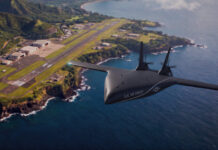
SOUTHCOM also uses uncrewed aerial systems, including MQ-9 platforms. Donovan declined to comment on reports of a possible transfer of aircraft from US Africa Command to SOUTHCOM, but highlighted the value of the data such systems collect.
That information can improve awareness across the maritime, land and air domains—an ability that US partners in the Americas also need. The data can support interdiction missions as well as other military operations.
Donovan said SAWC’s ultimate aim is to accelerate autonomous warfare across SOUTHCOM’s area of responsibility, helping the command carry out its missions and support regional partners.