



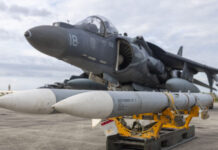
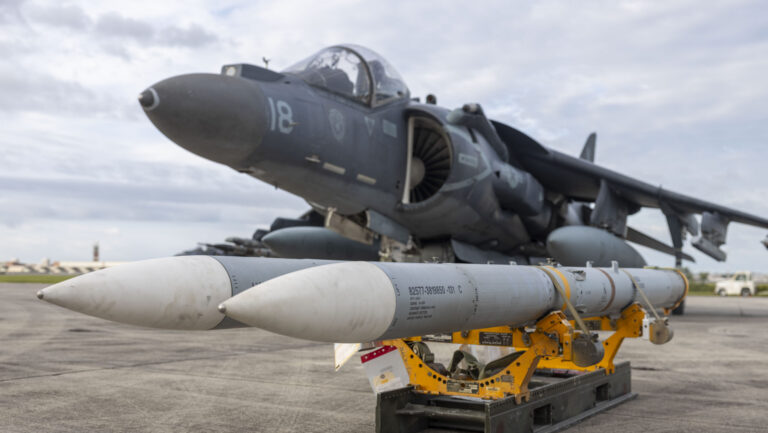
The United States and Japan have finalized an agreement to establish a facility in Japan for the final assembly and inspection of AMRAAM air-to-air missiles, Japanese Defense Minister Shinjiro Koizumi said. The deal comes amid strong demand for munitions and efforts by both countries to expand production capacity.
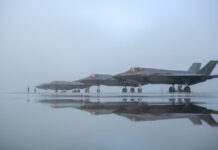
Koizumi described the missile as essential to the F-35 fighter aircraft operated by the United States, Japan and other international partners. He said the agreement would help ensure supplies for both countries while strengthening Japan’s defense industrial base.
Production partner and timeline remain undisclosed
Koizumi did not identify the Japanese company selected to assemble the missiles, provide a timeline for opening the facility or disclose its expected output.
Manufactured by RTX subsidiary Raytheon, AMRAAM can be launched from aircraft and ground-based systems. Demand has grown amid the wars in Ukraine and the Middle East.
In September, Raytheon received a five-year contract worth up to more than $20 billion, with options for an additional two years of production. The Pentagon said the deal was expected to nearly double production, provided US lawmakers approve the necessary funding.
Technical cooperation extends to SM-3 interceptors
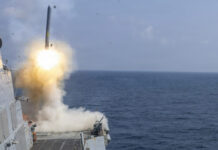
Koizumi also said the two countries had agreed to share technical information needed to increase production of the Standard Missile-3 Block IIA interceptor. Developed through a joint US-Japan program, the missile is used primarily from ships to intercept ballistic missiles. Koizumi did not say how much the agreement might increase production.
The AMRAAM and SM-3 arrangements are part of “Operation Supercharge,” a joint effort to deepen defense technology cooperation. A Pentagon readout of Defense Secretary Pete Hegseth’s meeting with Japanese officials did not mention either system specifically, but said Hegseth welcomed Japan’s efforts to strengthen its defense industrial capacity.
Koizumi said he and Hegseth agreed to accelerate efforts to strengthen the deterrence and response capabilities of the US-Japan alliance amid a deteriorating regional security environment. He did not explicitly mention China.