







A Strategic Withdrawal
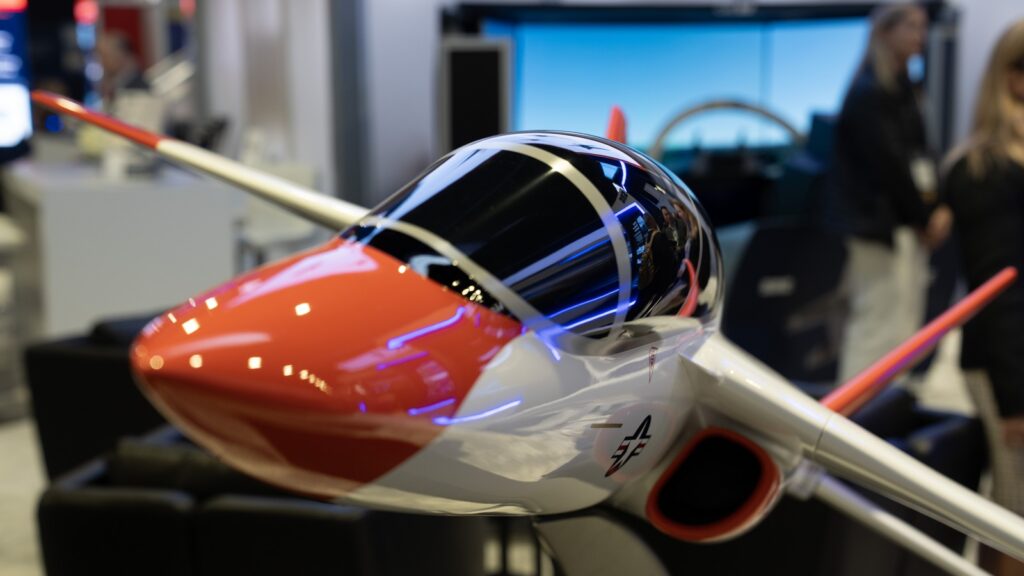
The landscape for the U.S. Navy’s Undergraduate Jet Training System (UJTS) program has shifted dramatically. Sierra Nevada Corporation (SNC) has officially opted out of bidding for the contract, stating that it could not responsibly do so under the current contractual framework. While the firm emphasized its ongoing commitment to naval jet training and its willingness to reconsider if the approach changes, its departure leaves the service with limited options for its next-generation trainer.
Textron Aviation Defense Poised to Lead
In the absence of other major contenders, Textron Aviation Defense has confirmed it submitted a bid featuring the M-346N aircraft. This move positions the firm as the clear frontrunner, particularly following the earlier exits of industry heavyweights like Lockheed Martin and Boeing. Furthermore, the dissolution of a previous team-up between SNC and Northrop Grumman in the fall effectively halted the prospects for the „Freedom” design, leaving the field largely cleared for the M-346N.
Adjusted Timelines and Evolving Requirements
The UJTS program is intended to replace the aging T-45 Goshawk fleet, which has been the backbone of Navy and Marine Corps jet carrier training since the early 1990s. While the Oct. 30 deadline for proposals was met, the Navy has slightly pushed back its expected contract award timeline, now targeting the window between July and September 2027.
Simultaneously, the technical requirements for the replacement aircraft have evolved. Unlike the T-45, the new trainer will not be required to conduct actual carrier landings. Instead, the focus will shift to utilizing advanced simulation capabilities to prepare aviators for tactical strike missions and carrier operations, redefining the training paradigm for future naval pilots.