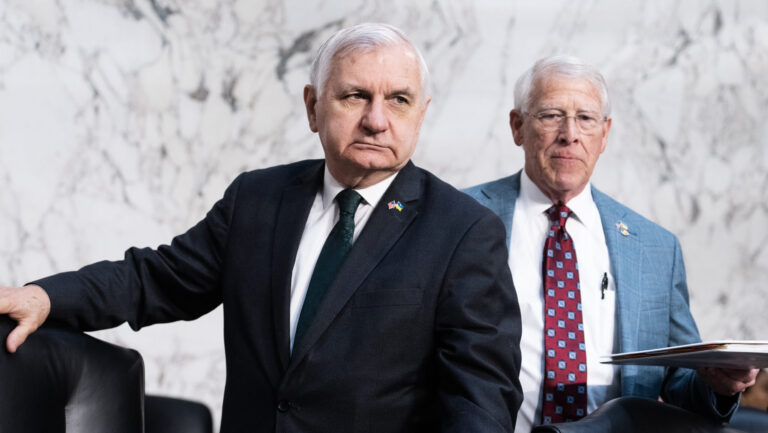
Senate Democrats blocked the fiscal 2027 National Defense Authorization Act (NDAA) from moving to the floor today, halting a measure that is typically bipartisan. The 50-46 party-line vote failed to reach the 60-vote threshold needed for progression. The opposition is fueled by the ongoing war in Iran and deep concerns regarding the exponential growth of defense spending at a time when domestic programs are facing significant cuts.
The Iran conflict and the 60-day window: A point of contention between the White House and Congress
This year’s NDAA has effectively turned into a referendum on the Iran war following President Donald Trump’s announcement that the conflict has recommenced. The administration’s claim that it can wage war for a 60-day period without congressional authorization has met fierce resistance. Senator Tammy Duckworth stated she would oppose the bill unless it includes an amendment prohibiting funds from being used for the Iran war, arguing that it is outrageous to prioritize rebuilding Iran while the American economy struggles.
The battle over figures: A $1.5 trillion budget vs. sweeping cuts to domestic agencies
A central concern remains the massive price tag of the defense budget, which could reach a historic $1.5 trillion if reconciliation spending is included. Senator Jack Reed pointed out the lack of a bipartisan deal to balance defense and non-defense spending, noting that defense increases are currently four times higher than domestic ones. Critics argue that these historic heights in military spending are inconsistent with the sweeping cuts the Trump administration has imposed on other government agencies.
Jay Hurst’s confirmation hearing: Official ignorance in the face of the real costs of Operation Epic Fury
Tensions bubbled over during the confirmation hearing of Jay Hurst, the nominee for Pentagon comptroller. Lawmakers expressed high levels of frustration as Hurst repeatedly declined to provide updated information on the costs of the Iran war or the status of previously approved funds for Operation Epic Fury. Despite his recent role as acting comptroller, Hurst claimed a lack of up-to-date data, a stance that Senator Angus King dismissed as unpersuasive and inappropriate for an official seeking a permanent leadership position.