











The United States Army is preparing for a sweeping strategic pivot. Gen. Christopher LaNeve, the service’s top uniformed officer, is moving away from the “Continuous Transformation” campaign plan in favor of a centralized, top-down approach. The shift—poised to upend the Army’s current operational model—was driven in large part by growing burnout among soldiers overwhelmed by a relentless wave of new gear.
The new strategic blueprint, titled “How the Army Fights,” was released in an early draft last month and is currently in the “execute order” phase. If formally codified on schedule, it will become the Army’s official campaign plan on February 1, replacing the previous framework championed by former Army Chief Gen. Randy George, who was removed by Defense Secretary Pete Hegseth in April.
From “Motion” to “Direction”: Institutional Change Beyond Leadership
According to Col. Pete Walther, a special assistant to Gen. LaNeve, the new guidance effectively flips the previous strategy on its head. Whereas the earlier “bottom-up” model lacked distinct objectives for each echelon, the new directive emphasizes top-down alignment to standardize how the entire force trains and fights.
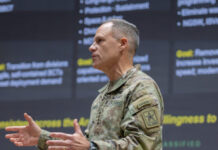
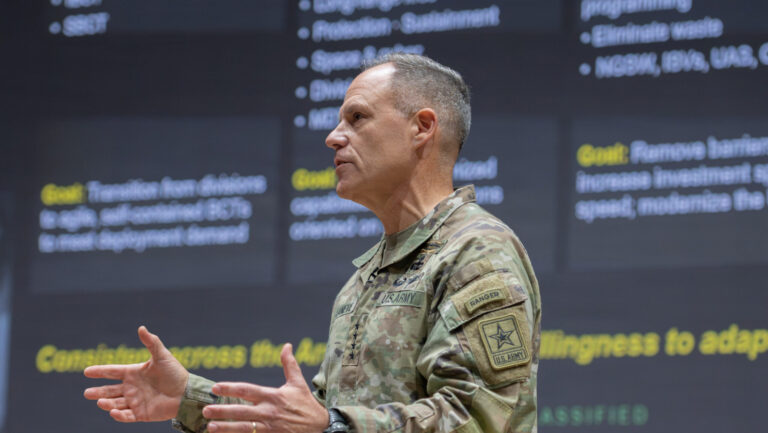
Speaking at the annual AUSA conference in October, LaNeve underscored the need for unity, noting that “How the Army Fights” establishes a clear destination, defines the operational environment, and explains how operational-level maneuver bridges tactical and strategic success within the Joint Force. Army officials also stress that the overhaul is designed as a lasting institutional shift rather than a personal legacy—ensuring the reforms endure even if LaNeve’s Senate confirmation does not materialize.
Refocusing on Large Echelons and Clear Responsibilities
This transition marks the definitive end of two flagship initiatives: the Army Transformation Initiative (ATI) and Transformation in Contact (TiC). Officials are clear that these programs are being sunsetted, not merely rebranded. Modernization itself, however, will continue—framed by leadership as a shift from mere “motion” to deliberate “direction.”
After years of focusing heavily on companies, battalions, and brigades, LaNeve is shifting the Army’s center of gravity back toward divisions, corps, and theater armies. The goal is to restore the service’s ability to execute “operational maneuver” and avoid being bogged down in static, attritional warfare. Under the new structure, roles are sharply delineated:
- Battalions and below (and occasionally brigades) will focus squarely on close battle operations.
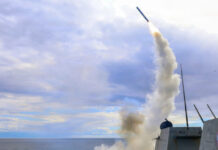
- Brigades and above will own deep strike missions.
- Divisions and corps will drive convergence with the broader Joint Force, while endurance remains a requirement at every level.
Leadership argues this clarity was long overdue, pointing out that battalion commanders had begun operating as if they were hunting targets 300 kilometers deep rather than focusing on the close fight. Moving forward, decisions on what experimental technology to test at Combat Training Centers (CTCs) will no longer rest with brigade commanders, but will be directed from the division level or Army headquarters.
“Tech Fatigue” and the Sunset of TiC
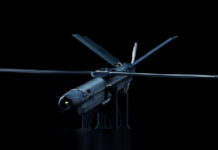
While Transformation in Contact yielded valuable lessons and rapidly pushed tactical lethality to the field, its bottom-up structure also bred widespread “tech fatigue.” Soldiers found themselves inundated with new kit, given too little time to master it, and left uncertain about the specific missions the gear was meant to solve.
Col. Walther rejected suggestions that ending TiC was politically motivated by past friction between Defense Secretary Hegseth and former Army leaders Randy George and Dan Driscoll. Instead, he maintained that the rapid experimentation phase was always intended to be transitional before returning to a more deliberate modernization framework.
Accounts from the field highlight the toll of the previous approach. A former brigade innovation officer, speaking on condition of anonymity, described units receiving brand-new equipment right before deploying to major combat training rotations. With no time to train and pressure to perform for visiting brass, the exercises often devolved into costly distractions or “show and tell” demonstrations featuring gear that lacked a clear purpose—or simply failed to work.
Defense industry executives echo these concerns, noting that soldiers were frequently handed “solutions looking for problems”—over-engineered systems that were not ruggedized for combat or failed to integrate with Army command-and-control networks.
The 180-Day Mandate: Time to Train Before the Fight
To curb last-minute improvisation, “How the Army Fights” introduces a strict new rule: any experimental technology slated for CTC testing must be delivered to units at least 180 days prior to their rotation. Previously, no such deadline existed.
Previewed in September by Lt. Gen. James Isenhower, commander of the Army Combined Arms Command, the mandate is designed to protect rotational units (BlueFOR) so they can focus on tactical proficiency and fighting the enemy rather than troubleshooting unfamiliar equipment in “the box.” Meanwhile, a portion of experimental tech testing will be shifted to the opposition force (OPFOR), which is permanently stationed at training centers and has more time to adapt to new systems.
While former officers welcome the 180-day rule as a step in the right direction, some caution that certification should matter more than a calendar: if a brigade cannot train on and certify a piece of technology during its culminating home-station exercise, it should not be brought to a CTC at all.
Ultimately, through “How the Army Fights,” Army headquarters is reasserting doctrinal discipline—ensuring that when new technology reaches the hands of soldiers, it arrives with clear intent, adequate preparation, and a defined role in how the force goes to war.