









A Bet on Innovation: Cyclops Redefines Aerial Interception
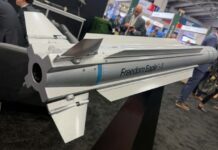
In a strategic move aimed at revolutionizing air defense, a massive $150 million investment—split equally between government funding and private capital—is targeting the testing and production of the „Cyclops” interceptor. This technology, designed to be liquid-fueled and capable of operating exo-atmospherically, promises to change the game by utilizing commercial off-the-shelf components and 3D printing. Its containerized design, facilitating launch from both ground and sea, marks a shift toward more accessible mass production, complementing cheaper terminal defense systems already in advanced exploration phases.
Denmark Bolsters Strategic Arsenal Amid Hybrid Threats
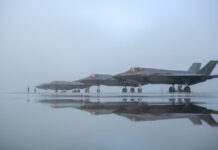
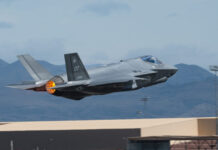
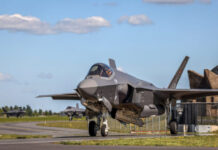
Against the backdrop of increasingly serious warnings regarding rising hybrid attack risks and potential military aggression, Denmark is accelerating the modernization of its long-range strike capabilities. The acquisition of Joint Strike missiles for its F-35A fleet, alongside the integration of ground-launched cruise missiles, represents a key pillar in the country’s deterrence strategy. These capabilities are intended to address critical gaps in the Western arsenal, thereby strengthening the allies’ defensive posture in the region.
Cyber Warfare at the Tactical Edge: The U.S. Army Tests New Frontiers
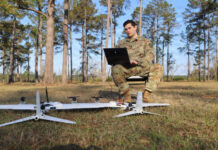
The U.S. Army is exploring the invisible frontiers of modern conflict by testing the Radiofrequency Delivery Effects Platform (RDEP). Mounted on small drones, this technology allows for the delivery of non-kinetic effects, such as jamming or network infiltration, directly at the tactical level. Although the program is still in the refinement phase, relying on field feedback to establish final requirements before mass production, the upcoming activation of additional cyber units underscores the growing importance of electronic warfare in the modern theater of operations.
Norway and the Fortification of the Arctic: A Modern Shield Against Instability
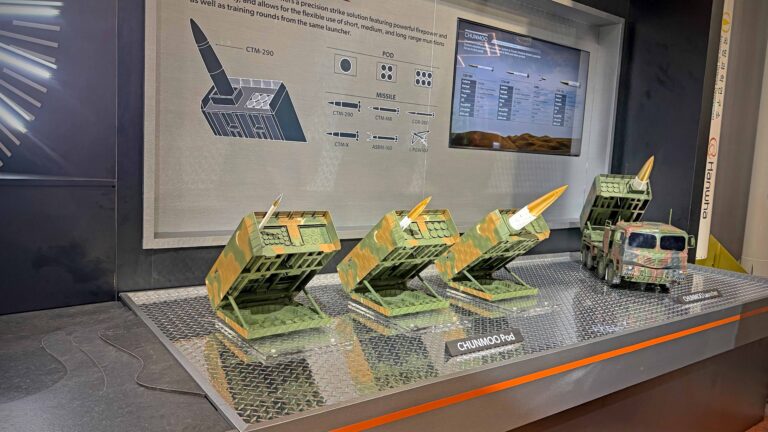
Norway is redefining its defensive posture in the Arctic region, placing increased emphasis on long-range strike capabilities and autonomous surveillance. Through the acquisition of Chunmoo artillery systems and the accelerated operationalization of the Finnmark Brigade, responsible for defending the northern border, Oslo aims to respond directly to shifts in the balance of power in its strategic proximity. In parallel, the piloting of intelligent drone swarms marks a decisive step toward integrating autonomous technologies into territorial defense structures.