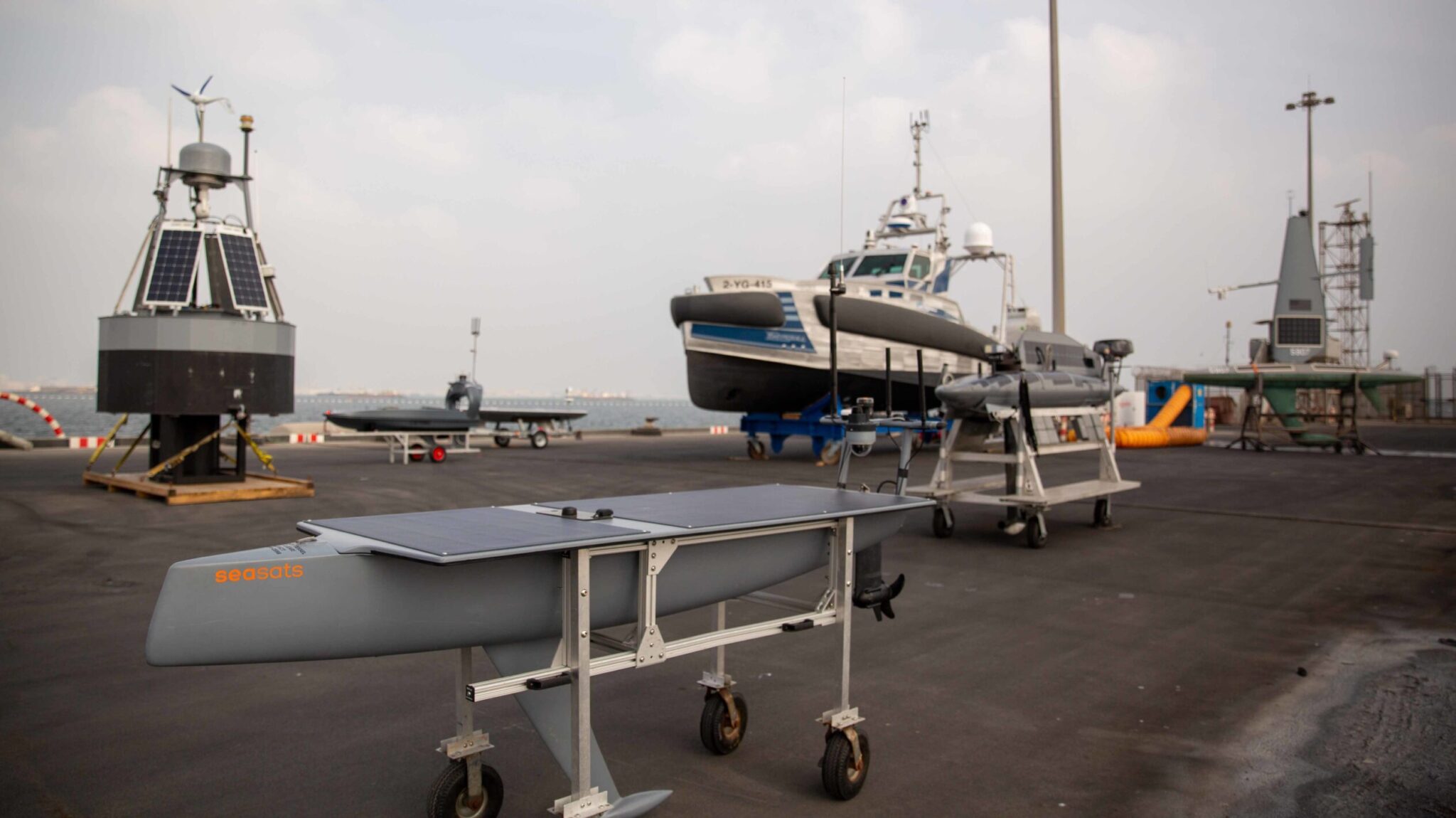
“The DCO will leverage the Unmanned Task Force’s lessons learned, best practices and processes, and incorporate key UTF personnel. Upon standup of the DCO, the UTF will be disestablished,” the spokesperson said.
While the UTF’s work was done mostly behind closed — and classified — doors, former Chief of Naval Operations Adm. Michael Gilday said its goals were broken down into seven “spirals” aimed at taking specific technologies from industry vendors and determining their value to the future fleet.
“We’re really focused on taking a more evolutionary approach. I think the Unmanned Task Force is helping us do that inside the [future years defense program],” Gilday said in February 2022. “In the long run, the goal is … to put ourselves in a position where we can scale those platforms and into the 2030s have unmanned in larger numbers available to the commanders.”
Breaking Defense previously reported based on sources and documents that the creation of the new office would be the official trigger to disbanding the UTF, although service officials declined to comment on the subject prior to Navy Secretary Carlos Del Toro’s announcement at the Pentagon last week.
During that announcement, Del Toro said the DCO will directly support Replicator, the new effort headed up by Deputy Defense Secretary Kathleen Hicks envisioned to produce thousands of unmanned systems designed to counter China.