As the United States prepares for a massive military buildup supported by a proposed $1.5 trillion defense budget, a critical strategic shift is emerging: the need to redeploy theater nuclear forces to the Western Pacific. Beyond the increased funding for shipbuilding and missile production, the restoration of a regional nuclear deterrent is increasingly viewed as the missing link in addressing the evolving threats posed by North Korea and China’s rapid nuclear breakout.
The ally dilemma: Between self-armament and American protection
Growing anxiety in Seoul and Tokyo is challenging the credibility of the American security umbrella. In South Korea, nearly 70 percent of the population now favors an indigenous nuclear program, a sentiment echoed by high-ranking officials. Similarly, in Japan, long-standing nuclear prohibitions are being reassessed, with leaders like Prime Minister Sanae Takaichi signaling a potential shift in the country’s traditional stance. For Washington, reintroducing theater nuclear forces is a necessary step to reassure anxious allies and prevent a domino effect of nuclear proliferation among friendly nations.
The NATO model in Asia: A new architecture of deterrence
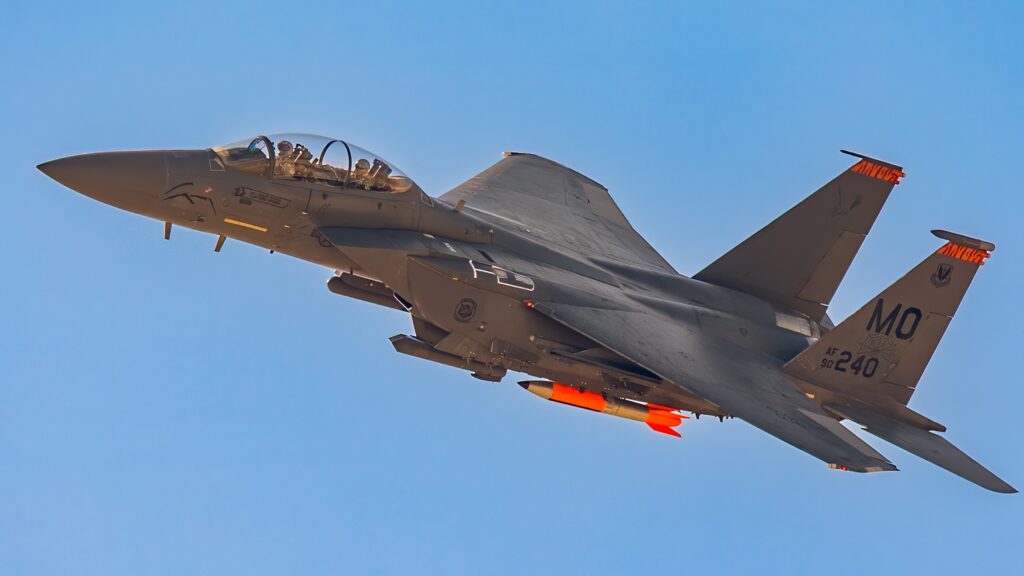
The proposed strategy suggests adapting the NATO nuclear-sharing model to the Pacific theater. South Korea could host B61 gravity bombs under U.S. custody, eventually integrating its F-35A fleet into a shared nuclear mission during times of crisis. For Japan, the process would be more gradual, potentially beginning with the stationing of nuclear assets on Guam, where Japanese crews would train on dual-capable aircraft. This phased approach aims to bolster security while navigating the unique political landscapes and historical sensitivities surrounding nuclear weapons in the region.
Closing the escalation gap: Why low-yield weapons matter
The current lack of forward-deployed, low-yield nuclear options may embolden Beijing to leverage its conventional military advantages, assuming the U.S. would hesitate to respond with high-yield strategic weapons. By filling this gap, the U.S. shifts the burden of escalation back to China, making it clear that any conflict—conventional or nuclear—would carry unacceptable risks. In an era where China boasts the world’s largest navy and a growing concentration of missiles, a theater-based nuclear presence serves as a vital stabilizer, ensuring that the Western Pacific does not become a safe zone for conventional aggression.