Thousands of Union Members Picket Amid Manufacturing Concerns and Potential Production Impact
About 3,000 union workers at Pratt & Whitney in Connecticut have walked off the job after rejecting a new contract offer, including key personnel involved in manufacturing the F-35’s engine. Despite the strike, the aerospace company states it has “contingency plans” to keep operations running, though details remain undisclosed.
Union Rejection and Picket Lines Established
Members of the International Association of Machinists and Aerospace Workers (IAM) voted Sunday to refuse the proposed contract and initiated picketing on Monday at facilities in East Hartford and Middletown. The union, representing locals 700 and 1746, criticizes the company’s offer as insufficient to meet their wages, retirement benefits, and job security concerns.
In response, Pratt & Whitney asserted that it remains prepared with contingency measures to fulfill customer commitments and has no immediate plans to resume negotiations. The company emphasized that their offer includes competitive pay, better retirement options, more days off, and increased flexibility, pointing out that their current compensation packages are among the highest in the region and industry.
Operational Impact and Use of Contract Workers
While Pratt & Whitney declined to specify how the strike might affect the production of critical military engines, union members report that the company has brought in contract workers to perform certain tasks, such as managing the East Hartford plant’s powerhouse. The firm produces engines like the F135 for the F-35, F100 for F-15 and F-16 fighters, F117 for the C-17 Globemaster III, and F119 for the F-22 Raptor.
The union criticized Pratt & Whitney’s proposed deal for failing to address wage and retirement concerns adequately, underscoring their primary aim of securing fairer contract terms. “Pratt and Whitney’s workforce makes this company a leader in aerospace; our members deserve respect and fair treatment,” said IAM Eastern Territory Vice President David Sullivan.
Possible Ramifications for F-35 and Military Production
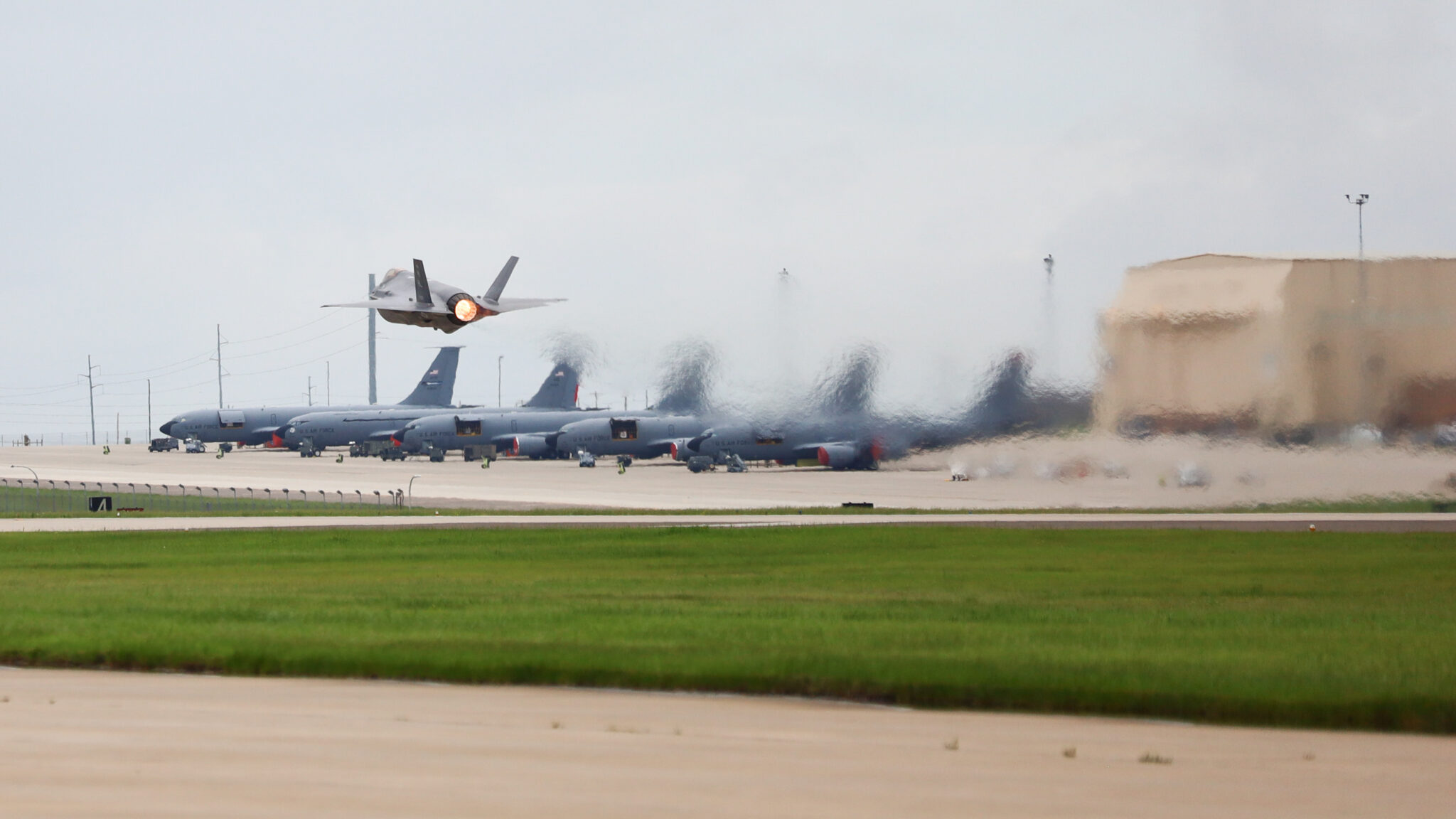
The strike coincides with ongoing challenges in meeting F-35 engine delivery schedules. In 2023, Pratt & Whitney failed to deliver any F135 engines on time, with delays increasing from around one month in 2022 to roughly two months in 2023, according to the Government Accountability Office. While the program maintains a buffer of about 40 engines, a prolonged strike could pressure Lockheed Martin’s goal to produce 156 F-35s this year.
Industry analysts note that even if manufacturing continues during the strike, the pace may slow. “It doesn’t necessarily mean it continues at the same rate as before,” said Teal Group senior analyst JJ Gertler.
Local and Political Support
Connecticut’s defense industry is anchored by major firms like Pratt & Whitney, General Dynamics Electric Boat, and Sikorsky. Several prominent lawmakers voiced support for union workers amid the strike.
Rep. Rosa DeLauro, Democrat and House Appropriations Committee member, praised the skilled workforce and expressed hope for a fair resolution. Sen. Richard Blumenthal, a member of the Senate Armed Services Committee, joined union members in picketing Monday and called for respect for workers’ contributions.
Rep. Joe Courtney, ranking Democrat on the House Armed Services Seapower and Projection Forces Subcommittee, urged Pratt & Whitney to improve its offer, emphasizing that resolving the dispute is critical for national security and economic stability.
Conclusion: A Critical Moment for Aerospace and National Security
As the strike unfolds, the outcome could influence the production schedules of vital military aircraft and engines. The union’s fight for fairer contracts reflects broader concerns about workforce well-being in America’s defense industry, with lawmakers urging a swift resolution to support ongoing innovation and readiness.