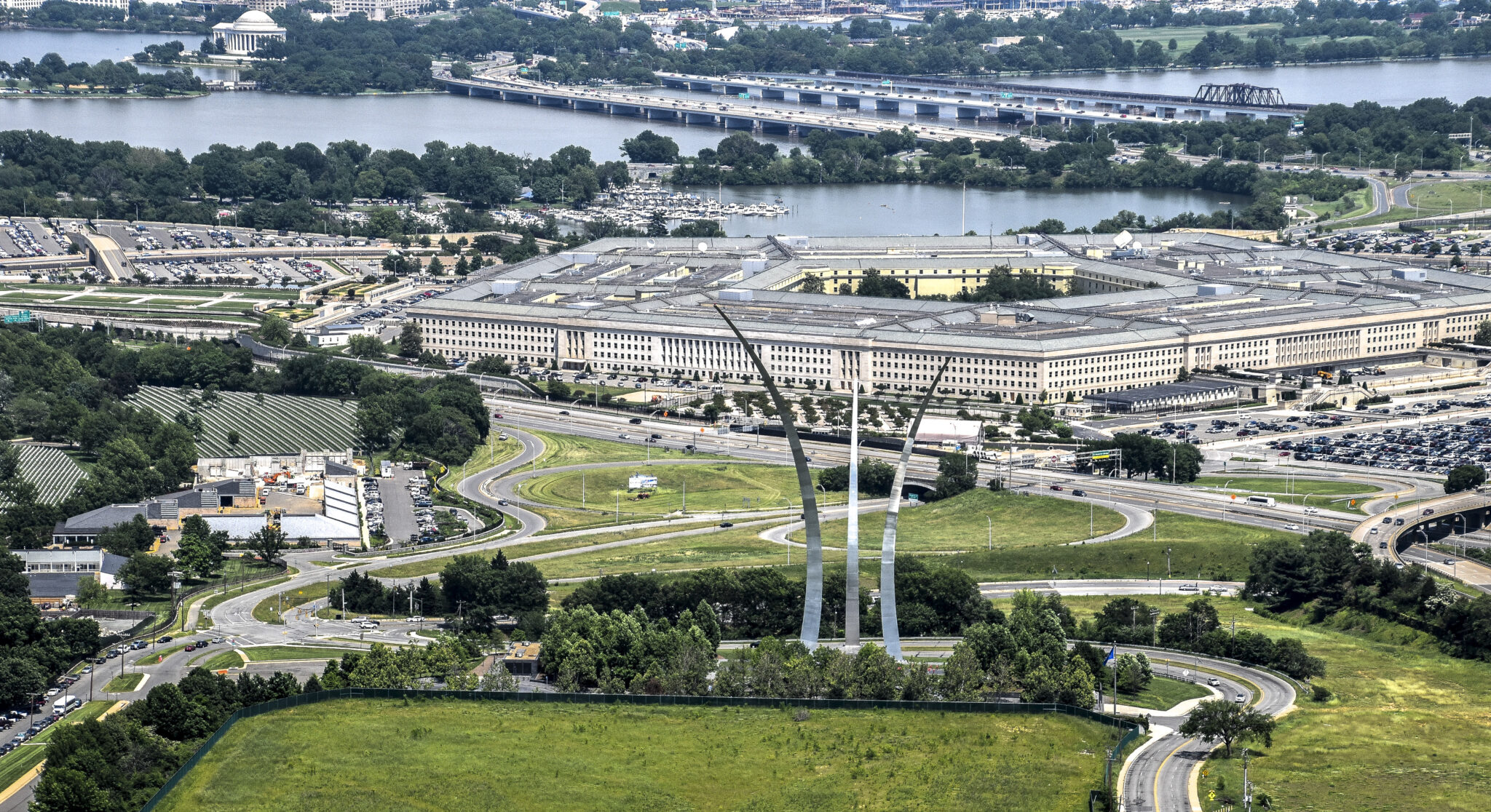
As Capitol Hill concentrates on the fiscal 2025 defense budget, the Pentagon has already turned its focus towards planning and formulating the fiscal 2026 edition. In the upcoming weeks, significant efforts will be made to transition the FY26 program from development to the „build” phase, aligning resources for the force between FY26-FY30, with a review by the Office of the Secretary of Defense.
Amidst careful scrutiny of each service’s adjustments to their defense plans, it is crucial for Pentagon leadership to design a defense program that reflects the current reality. This entails accounting for the geopolitical landscape characterized by ongoing ground wars necessitating American involvement, a more assertive China, and a bolder North Korea. Despite the potential for a new administration in January, there is limited time for substantial alterations to the ongoing planning.
To kickstart the process, Pentagon leaders should approach the fiscal year 2026 budget as one of strategic „pivots,” steering away from outdated systems that no longer align with the department’s future requirements. The focus should center on three key areas: unmanned aerial and sea vehicles, munitions, and personnel. Simultaneously, a shift away from manned aircraft, avoidance of reshaping nuclear forces, and a deliberate divestment from costly new programs are recommended.
In the fiscal year 2026 budget, a crucial step is to fully support the House’s proposal for a 19.5 percent pay raise for junior enlisted service members. While the current administration has dismissed this initiative, the outcome of ensuing negotiations in the fall remains uncertain. Recognizing service members as the primary asset, proactive steps must be taken ahead of the demographic challenges anticipated in 2027.
Turning focus to the Navy, the recent establishment of the National Commission on the Future of the Navy should be leveraged promptly to implement its recommendations swiftly. One way to achieve this is for the Navy to terminate future F-35 acquisitions and consider the cancellation of manned sixth-generation fighter programs, directing Naval Aviation towards greater unmanned operations. This strategic shift will enable reallocating savings for an accelerated integration of unmanned sea vehicles.
Additionally, the Air Force leadership is contemplating adjustments to the procurement strategy for the Next Generation Air Dominance (NGAD) program. While NGAD itself is not a challenge, the escalating costs of the F-35 and nuclear modernization pose genuine concerns. Thus, terminating planned F-35 acquisitions and envisioning a separate service for air and ground nuclear forces, akin to the Space Force model, are urged to ensure the necessary focus on the critical nuclear mission.
Lastly, within the Army, a return to strategic alignment with the current decade’s military requirements is pivotal. Initiatives like canceling the Optionally Manned Fighting Vehicle and Future Vertical Lift programs in favor of enhancing core capabilities like ammunition, tank fleets, and counter-UAV systems are warranted. Drawing lessons from recent conflicts, a focus on weaponizing commercially available items in conjunction with scaling back on specialized weapons systems is advised for improved operational readiness in conflict scenarios.
While the ultimate budget allocation rests with the White House, it is imperative for defense spending to be increased. Embracing the proposed topline increase set forth by Sen. Roger Wicker’s 21st Century Peace Through Strength plan, which advocates for a $55 billion boost to the defense budget, can serve as a positive starting point. Investing in capability and capacity today is imperative given the evolving global security landscape and the unpredictability of future conflicts.