The ongoing conflict in Ukraine has underscored the enduring relevance of nuclear weapons as instruments of international diplomacy. It is significant that Russia’s nuclear threats, while not yet acted upon, encompass both tactical and strategic nuclear capabilities, illustrating multi-level nuclear signaling that aligns with established nuclear doctrines.
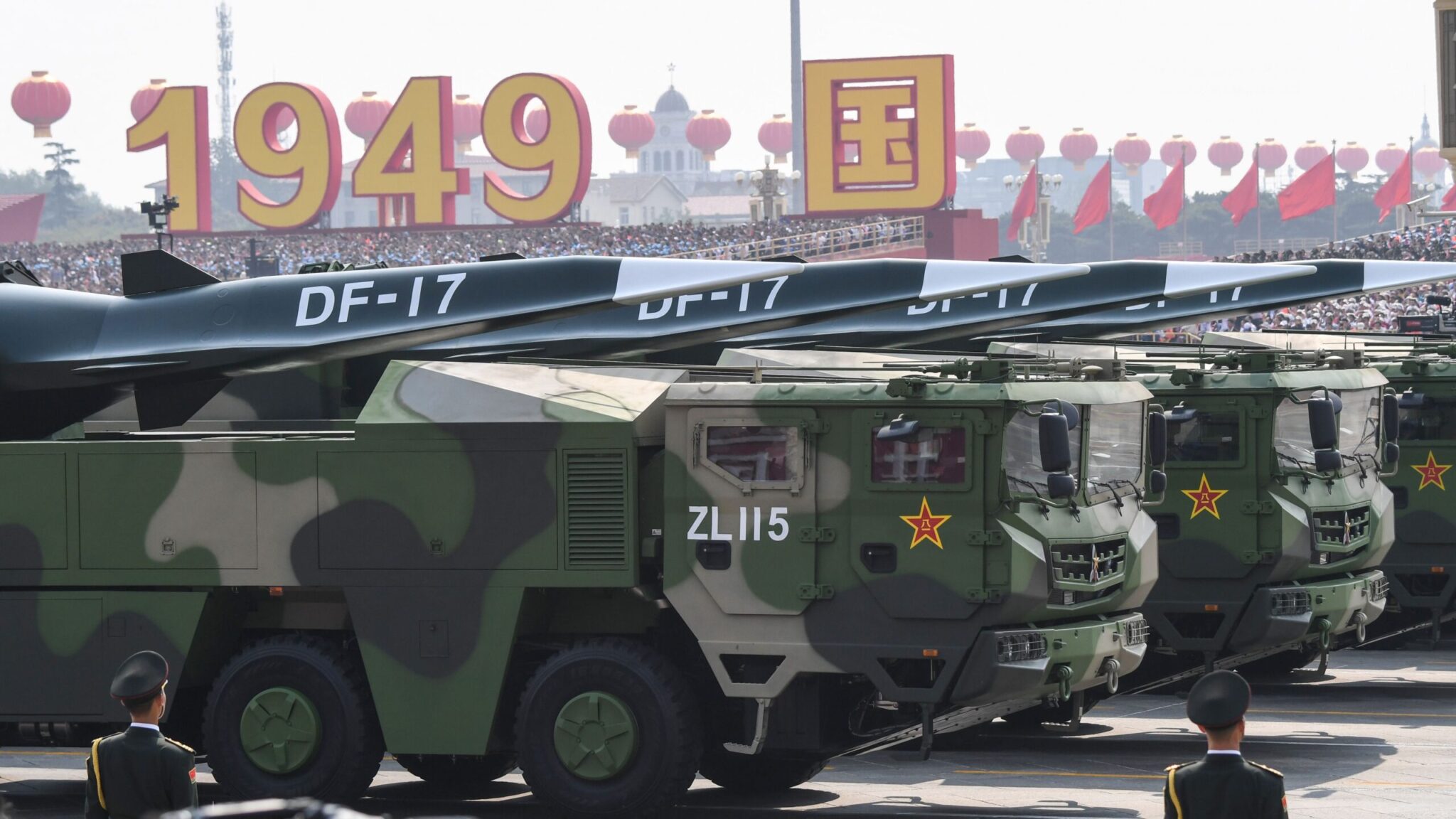
The situation becomes even more complex when considering how leaders of the People’s Republic of China (PRC) perceive their nuclear arsenal. The PRC is actively constructing hundreds of new missile silos, deploying new theater-range ballistic missiles, and potentially developing low-yield warheads. As noted in the Department of Defense’s 2023 report on Chinese military capabilities, the scale and sophistication of these activities far exceed previous modernization efforts.
This combination of ambiguous nuclear advancements alongside ongoing conventional military reforms creates perilous escalation pathways that the United States is ill-equipped to manage. The era of nuclear strategies defined by Cold War paradigms is over. Washington must reassess its understanding of China’s perspective on its nuclear capabilities.
The ultimate goal of the PRC’s ongoing nuclear modernization remains a topic of debate. While it is unclear whether the PRC plans to abandon its traditional No First Use policy, the increasing diversity of its nuclear arsenal allows its leadership to quickly adapt their nuclear doctrine to include coercive signaling and asymmetric escalation. In simple terms, a modernized nuclear stockpile enhances China’s deterrent and coercive options, and it would be a mistake for the U.S. to assume overt nuclear coercion is a tactic exclusive to Russia.
The introduction of these expanded nuclear capabilities, coupled with China’s advanced conventional strike systems, injects significant uncertainty into U.S.-PRC escalation dynamics. China’s military doctrine suggests aggressive strike operations against key adversary assets if conflict becomes unavoidable. Additionally, documents like the Science of Military Strategy indicate strategies that blur the lines between nuclear and conventional escalation. The interplay between a strong conventional targeting doctrine and precise nuclear capabilities complicates the escalation landscape, as conventional operations may carry equal or greater risks compared to non-strategic nuclear strikes, often making the latter seem more attractive and manageable.
A stark illustration of this dilemma arises when comparing the implications of a precise, non-strategic nuclear strike on naval vessels or a remote island versus a conventional strike against critical U.S. domestic infrastructure. What would be the appropriate American response to a non-strategic nuclear strike that destroys a single ship or an isolated military base?
It is imperative to stress that the PRC’s modernization efforts create a distinct possibility for these scenarios. It is up to China’s leadership to clarify the intentions behind their modernization activities, as existing ambiguities only heighten the risks associated with the conventional-nuclear crossfade.
Unfortunately, regardless of whether the PRC’s intentions are declared or not, the U.S. is not adequately prepared to handle the current and future escalation dynamics arising from this conventional-nuclear nexus. In the Indo-Pacific, American perspectives on nuclear escalation remain unduly tied to European theater frameworks and Cold War assumptions, often presupposing that the deterrent effects of nuclear superiority will persist. Conventional notions of assured retaliation and the language of “catastrophic consequences” may lack credibility in this region, where the unique geography allows for various limited nuclear strikes. Moreover, in a hypothetical U.S.-PRC conflict, the long-held beliefs around strategic nuclear stability preventing tactical escalation would face severe challenges if the conflict were to prolong. This situation is accentuated by the fact that PRC leadership might consider non-strategic nuclear strikes to be more viable as their conventional forces dwindle.
The concerns deepen when examining the limitations of U.S. non-strategic nuclear signaling and response options. Signaling with low-yield submarine-launched ballistic missiles poses significant risks in a conflict, as it requires revealing a vital strategic deterrent asset. While using a nuclear cruise missile from an attack submarine avoids some risks, it may necessitate temporarily reallocating forces from key conventional missions. While fighters and bombers can serve as effective signaling tools, they come with their own challenges and often depend on positioning on allied territory. Intercontinental ballistic missiles (ICBMs) could theoretically be used for signaling, but they are strategic assets that would have broader deterrent implications beyond the immediate conflict. Unfortunately, efforts to discuss such planning have frequently been met with skepticism by operational forces, leaving the issue to be handled by STRATCOM.
Ultimately, the United States must undertake a comprehensive reevaluation of its conventional-nuclear integration strategies and establish new operational concepts for theater nuclear deterrence. This reform must begin with senior decision-makers who must confront the unsettling realities of theater nuclear use dynamics and the current constraints on U.S. responses. Instead of dismissing or overlooking discussions on conventional-nuclear integration, U.S. leaders must recognize that China’s nuclear trajectory poses dangerous uncertainties and that America is ill-prepared for this evolving landscape. This recognition requires senior policymakers to look beyond China’s longstanding declaratory policy, which is increasingly challenged by their current modernization efforts, and to accept that new strategic realities are at play.
Furthermore, conventional-nuclear integration must be fundamentally re-prioritized. For too long, discussions around conventional-nuclear integration, planning, and response have been treated as secondary or afterthoughts. The United States can no longer afford to underestimate the deterrent value of this integration as well as its operational utility. By fusing nuclear operations with conventional military exercises, U.S. forces can demonstrate a credible capability to endure and function through a nuclear strike. This demonstration would enhance deterrence and decrease the likelihood of the PRC perceiving an opportunity for asymmetric escalation.
Planning discussions must align with new concepts to visibly generate theater nuclear forces as a signaling strategy. Dual-capable fighters and bombers in the Air Force could serve as the most viable options for these operations in the Pacific. However, the Air Force needs to develop the necessary procedures and tactics to support these operations across the theater while considering potential trade-offs with conventional missions. Establishing theater nuclear force generation also presents political challenges related to deploying nuclear weapons on allied territories. Consequently, the U.S. should initially focus on developing and exercising deployments in non-contiguous regions while remaining open to partnerships with willing allies.
In conclusion, existing U.S. perspectives on nuclear deterrence rely precariously on outdated concepts tied to the Cold War’s geographic and strategic realities. The rapid and transformative modernization of the PRC’s nuclear capabilities necessitates a departure from these antiquated frameworks and the formulation of a new deterrent approach that addresses the uncomfortable realities of the conventional-nuclear crossfade. In this new era of nuclear deterrence in the Indo-Pacific, the United States must remain vigilant and prepared to respond effectively.