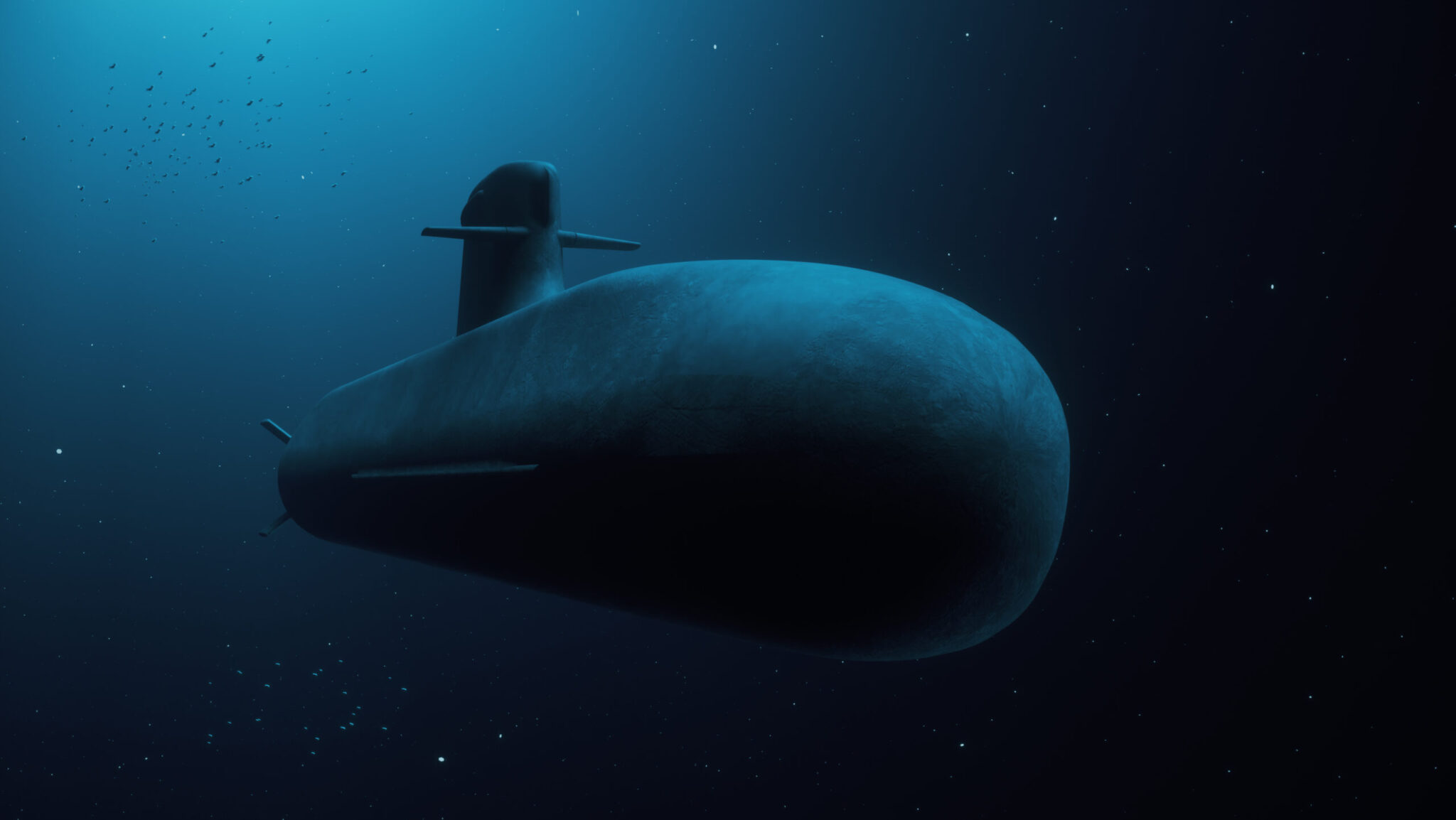
The Netherlands and French shipbuilder Naval Group announced the signing of a delivery agreement today for four new Barracuda-class, diesel-electric submarines, marking a significant step in the Replacement Netherlands Submarine Capability (RNSC) program.
According to a statement from Naval Group, “The signature of the Delivery Agreement marks the start of the program for the replacement of the Walrus-class submarines currently operated by the Royal Netherlands Navy, following a thorough evaluation and bidding process conducted by the Materiel and IT Command (COMMIT) on behalf of the Netherlands Ministry of Defense.”
The delivery agreement was signed during a ceremony held at the Directorate of Material Maintenance in Den Helder, with Gijs Tuinman, the Dutch state secretary for defense, and Pierre Eric Pommellet, CEO of Naval Group, in attendance. The specific contract value has not been disclosed; however, a letter from the Netherlands Ministry of Defence to lawmakers previously cited an “investment budget” estimated at €5.6 billion (approximately $6.2 billion), which encompasses the construction of the four submarines and related costs up to 2039.
The submarines set to be constructed are named Orka, Zwaardvis (Swordfish), Barracuda, and Tijgerhaai (Tiger Shark). The Barracuda design was selected by the Dutch government in March, prioritizing it over Sweden’s Saab Kockums Expeditionary Submarine C718 and Germany’s Type 212CD E from ThyssenKrupp Marine Systems (TKMS). The first French Barracuda-class submarine, named Suffren, entered service in 2022.
The construction of the Orka-class submarines will take place in Cherbourg, France, with the first two submarines projected to be delivered “within 10 years” from the signing of the delivery agreement, according to the Netherlands Ministry of Defence. The submarines will feature the capability to deploy U.S. Tomahawk cruise missiles, enhancing their strike power. Additionally, modern sensors and communication systems will allow for improved intelligence gathering, analysis, and sharing compared to the legacy Walrus-class submarines.
“The threat is increasing all around us,” stated Tuinman in a translated statement from the Netherlands Ministry of Defence. “We are investing heavily in our striking power and our contribution to NATO. We do this based on the conviction that a credible deterrent is the best defense. We prevent war by preparing for it.”
Earlier this month, Naval Group and the Netherlands Ministry of Economic Affairs also signed an industrial cooperation agreement (ICA) in support of the RNSC program. This agreement commits the shipbuilder to collaborate with various key Dutch companies and knowledge institutions over a period of twenty years.
The plan aims to utilize Naval Group’s network of Dutch partners for critical systems and components, ensuring the development and retention of expertise within the Netherlands throughout the submarine lifecycle. The Ministry of Defence noted that approximately €1 billion will be allocated to local industries as part of this cooperation agreement.