



















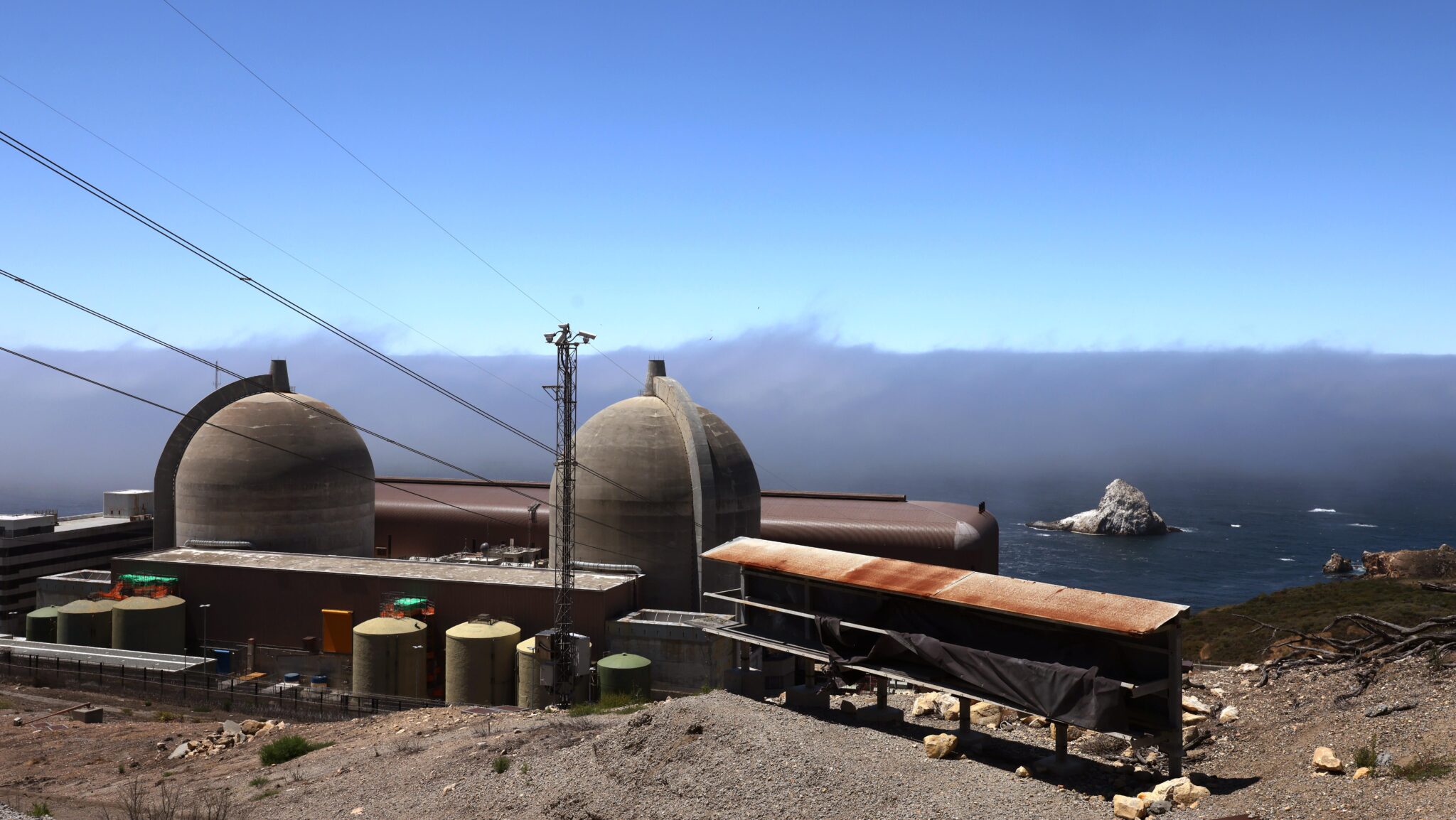
From time to time, the U.S. government grants substantial subsidies to various industries for reasons that often perplex those with a fundamental understanding of the issues involved. A striking instance of this occurred in June with the announcement of the Army’s Advanced Nuclear Power for Installations (ANPI) program, aimed at implementing small reactors on military bases under the premise of enhancing „energy resilience.”
This initiative raises several troubling questions. Firstly, energy resilience can be achieved more effectively, safely, and economically through non-nuclear alternatives. Secondly, the operation of nuclear reactors inherently relies on a continuous supply of external electricity, which contradicts the notion of resilience. Thirdly, the proposed Army reactors will be devoid of adequate containment structures, posing significant risks of radioactive contamination to both military personnel and surrounding communities in the event of an incident.
Both the Army and taxpayers should rightfully object to this flagrant misuse of national security funds.
It is valid to express concern over energy resilience at Army bases due to their reliance on commercial power grids, which are susceptible to outages from severe weather and cyber threats. However, the straightforward and cost-effective approach already employed by military installations and critical services like hospitals involves maintaining a backup supply of diesel fuel and generators for emergencies. Setting up diesel generators capable of providing 5 megawatts of electricity — the target output desired by the Army — would only cost between $2 million and $4 million, with diesel fuel being inexpensive since the generators would only be used on rare occasions.
In stark contrast, an individual nuclear reactor designed to deliver the same 5 megawatts could cost several hundred million dollars — approximately 100 times more than diesel generators, based on government estimates and previous research. Even if the Army’s vision of utilizing the reactor as the primary power source is realized, the electricity generated would be significantly costlier than their current commercial electricity rates. Therefore, regardless of whether the reactor serves as a main or backup power source, the Army’s expenses would significantly increase.
As for the justification of enhanced resilience, it’s crucial to note that while reactors can generate electricity, they have always depended on external sources to remain operational and safe — mainly to cool the reactor fuel and prevent meltdowns and the release of radiation. The recent Army proposal acknowledges this dependency, stating that the reactor must also have an „alternative credited independent power source” as a backup.
Consequently, an Army base reactor would almost certainly rely on the commercial grid for electricity, meaning it would not be any more resilient than the conventional power supply it aims to replace. In the event of a blackout, the reactor would revert to using backup diesel generators. If backup generators are already required, the necessity for an exorbitantly priced reactor becomes questionable.
The situation worsens when considering cost-saving measures in the nuclear industry, which has opted to design its small reactors — the type the Army is pursuing — without containment structures. This lack of protective measures increases vulnerability to potential attacks from aircraft, missiles, or drones.
A successful strike could potentially release radioactivity in two significant ways. First, similar to a „dirty bomb,” the reactor’s irradiated solid fuel could be dispersed over a wide area, posing severe hazards. Secondly, if an assault impacts the reactor’s cooling systems, overheating could lead to the release of gas-phase radioactivity.
Interestingly, it remains unclear whether the Army truly supports these nuclear reactors, which were initially proposed in 2018 by Congressional advocates aiming to boost the nuclear sector, including potential deployments at Air Force and forward operational bases — which would be even more sensitive.
Statements from Pentagon representatives concerning these initiatives suggest that a partial motivation is to aid struggling nuclear reactor firms that have failed to secure private-sector clients for their costly powerplants. The project manager at the Defense Secretary’s office describes it as “a pathfinder to advanced nuclear reactors in the commercial sector,” while a Deputy Assistant Secretary in the Air Force claims, “We’re trying to … create a playbook for how other communities and cities” might develop “energy through a microreactor.”
Even if the civilian nuclear sector warranted additional subsidies — a matter open to debate — that does not justify squandering defense funds on unnecessary reactors that might endanger our troops.
In reality, ensuring energy resilience at military bases is a legitimate issue that necessitates safe, effective, and economical solutions — yet nuclear reactors fail to meet any of these criteria.
Fortunately, as a democratic society, there remains a possibility to halt these precarious expenditures. Military personnel, their families, neighboring communities, and taxpayers should urge Congress to suspend the ANPI program and consider redirecting its funding towards more productive initiatives.


