Today, the U.S. State Department announced its approval for three significant Foreign Military Sales (FMS) agreements, which will see Italy acquire $680 million in advanced electronic attack systems, India secure $175 million in torpedoes, and Romania enhance its defense capabilities with a $110 million radar system.
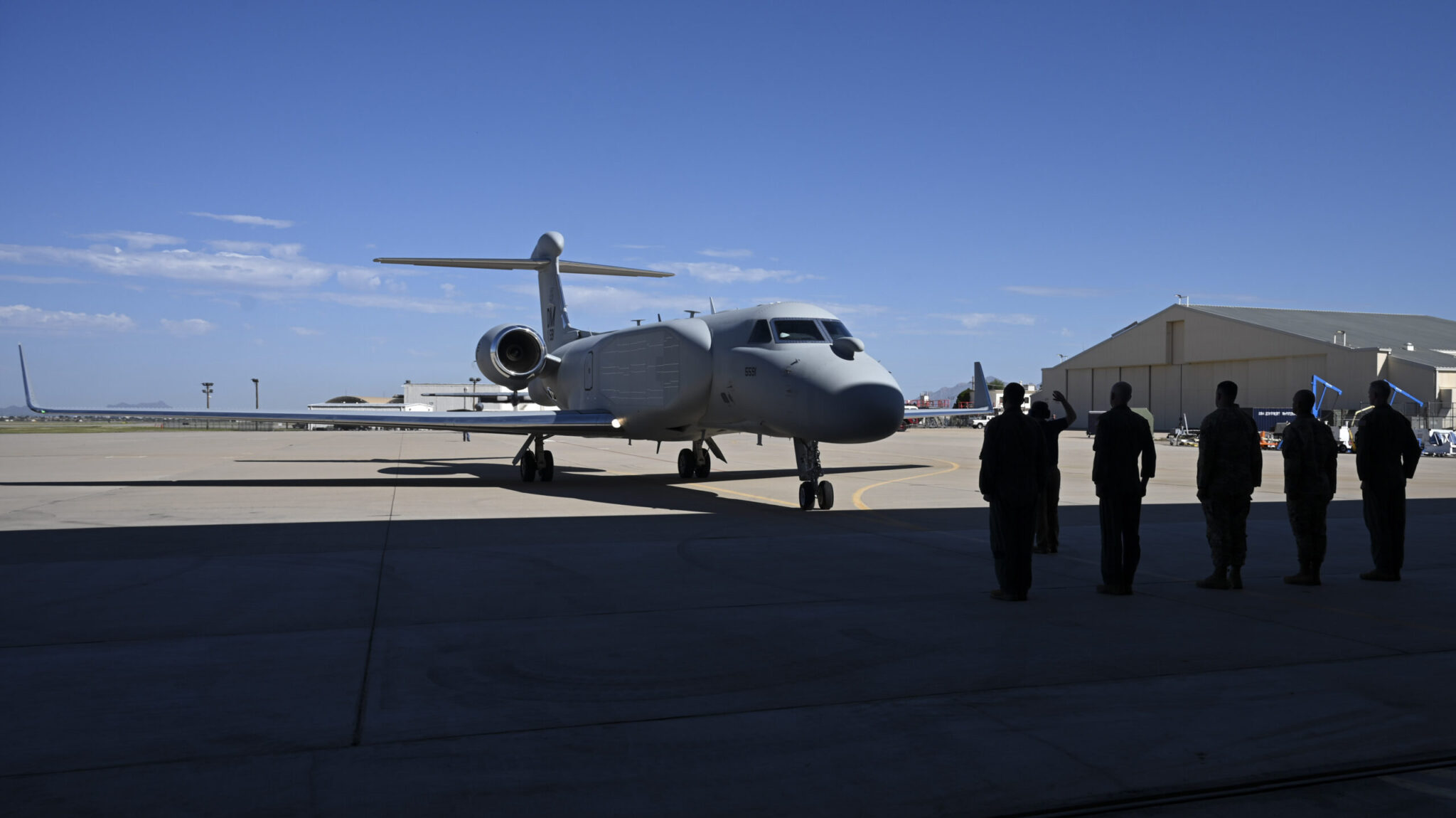
Italy is specifically interested in the Electronic Attack (EA)-37B mission system produced by BAE Systems. This sophisticated equipment, which includes radars, encryptors, and terminals, forms the backbone of the U.S. Air Force’s EA-37B Compass Call aircraft, based on a heavily modified Gulfstream G550 model. Reports indicate that Italy already possesses several Gulfstream aircraft ready to be equipped with this advanced technology.
The potential sale will enhance Italy’s ability to address current and emerging threats by improving interoperability with the United States Air Force (USAF) and enabling Italy to disrupt enemy command and control communications, particularly during its overseas operations, as outlined in a recent announcement by the Defense Security Cooperation Agency (DSCA).
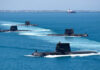
Simultaneously, India has received clearance to purchase 53 aircraft-launched MK 54 MOD 0 Lightweight Torpedoes, along with associated training and support. The proposed $175 million agreement involves a direct transaction with the U.S. government, with most of the torpedo hardware sourced from U.S. Navy stock. This acquisition is expected to bolster India’s anti-submarine capabilities for its MH-60R helicopters and aligns with broader U.S. foreign policy and national security objectives by strengthening the strategic partnership with India, a key player in maintaining stability and progress within the Indo-Pacific and South Asia regions.
Lastly, Romania is progressing towards acquiring four AN/MPQ-64 F1 Sentinel radar systems from RTX, in addition to various non-Major Defense Equipment such as encryptors, Identification Friend-or-Foe (IFF) systems, and anti-spoofing technology. These mobile three-dimensional radar units will enhance Romania’s ability to conduct consistent air surveillance and provide vital fire-control data to counter threats from unmanned aerial vehicles, cruise missiles, and both fixed and rotary-wing aircraft. The DSCA emphasized that this proposed sale will significantly strengthen Romania’s military capabilities, enabling it to deter adversaries and actively participate in NATO operations.
It is important to note that the announced figures and unit quantities may change as negotiations progress, and while Congress has the authority to intervene in these agreements, such actions are infrequently exercised.