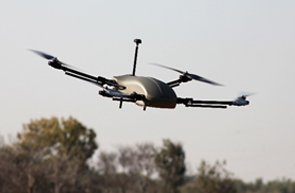
The Israel Defense Forces (IDF) estimate that their new technology and procedures for evacuating casualties and providing treatment have saved 380 soldier lives over the past 14 months of conflict. This includes innovative methods such as using drones to transport blood for infusion into combat zones.
During a recent tour of the IDF’s Medical Corps and Technological and Logistics Directorate, officials presented data indicating that the military has halved the rate of soldiers dying from their injuries. In the 2006 Lebanon war, the fatality rate was 14.1 percent; during the 2014 war, it dropped to 9.2 percent. The current rate is 6.9 percent for the Gaza front and 7.1 percent for the Lebanon front.
According to a written statement from the IDF, the average time for a soldier to receive medical treatment in the field ranges from zero to four minutes. More than 90 percent of soldiers injured in close-quarters combat receive on-site treatment, and approximately 1,600 injured soldiers have been evacuated via helicopter.
The expedited treatment times can be attributed to the deployment of Advanced Life Support providers, which are medics stationed at the company level, as well as an increase in combat soldiers trained in medical care. When injuries are severe, the wounded are transported in armored personnel carriers or Humvees to a helicopter landing zone, where Israel’s Unit 669 evacuates them to civilian hospitals, or they are transported directly to a hospital via ground vehicles. The evacuation process from Gaza can take just over an hour, while it can extend to 111 minutes from Lebanon, depending on the terrain.
Furthermore, the IDF has increased the number of patients receiving whole blood and plasma, substituting these for crystalloids that were previously used to treat blood loss in the field. Freeze-dried plasma does not require refrigeration, making it easier to transport, while whole blood can be flown in small coolers designed for blood preservation.
Recently, the IDF has deployed Thor drones, which are large quadcopters capable of delivering blood encased in cool containers. The drones can drop their payload from approximately 450 feet with a small parachute to ensure minimal disturbance during transport. The use of portable coolers to store blood at the front lines has enabled soldiers to treat patients and guarantee the supply of blood during extended periods in combat. IDF units have sometimes engaged in fighting for days or weeks, and these coolers can maintain the necessary temperature for several days. Blood can be warmed using a device and freeze-dried plasma can be reconstituted with water in just a few minutes.
The IDF has introduced new tourniquets and hemostatic bandages, which are effective for controlling bleeding in hard-to-reach areas like the groin. These advancements are crucial for treating soldiers during the critical “golden hour” of trauma care as patients are moved towards hospitals.
However, the increased presence of medics and the deployment of paramedics and physicians in the field have led to more casualties among medical personnel. The IDF reported that 58 of its medical staff have been killed, representing about 7 percent of the 804 IDF service members who have died since the Hamas attacks on October 7, 2023. In contrast, the death toll in Gaza has surpassed 44,000, with over 3,000 fatalities reported in Lebanon.