United Launch Alliance (ULA) is optimistic about obtaining certification from the Space Force for launching national security payloads in the coming months, according to CEO Tory Bruno in a recent interview with Breaking Defense.
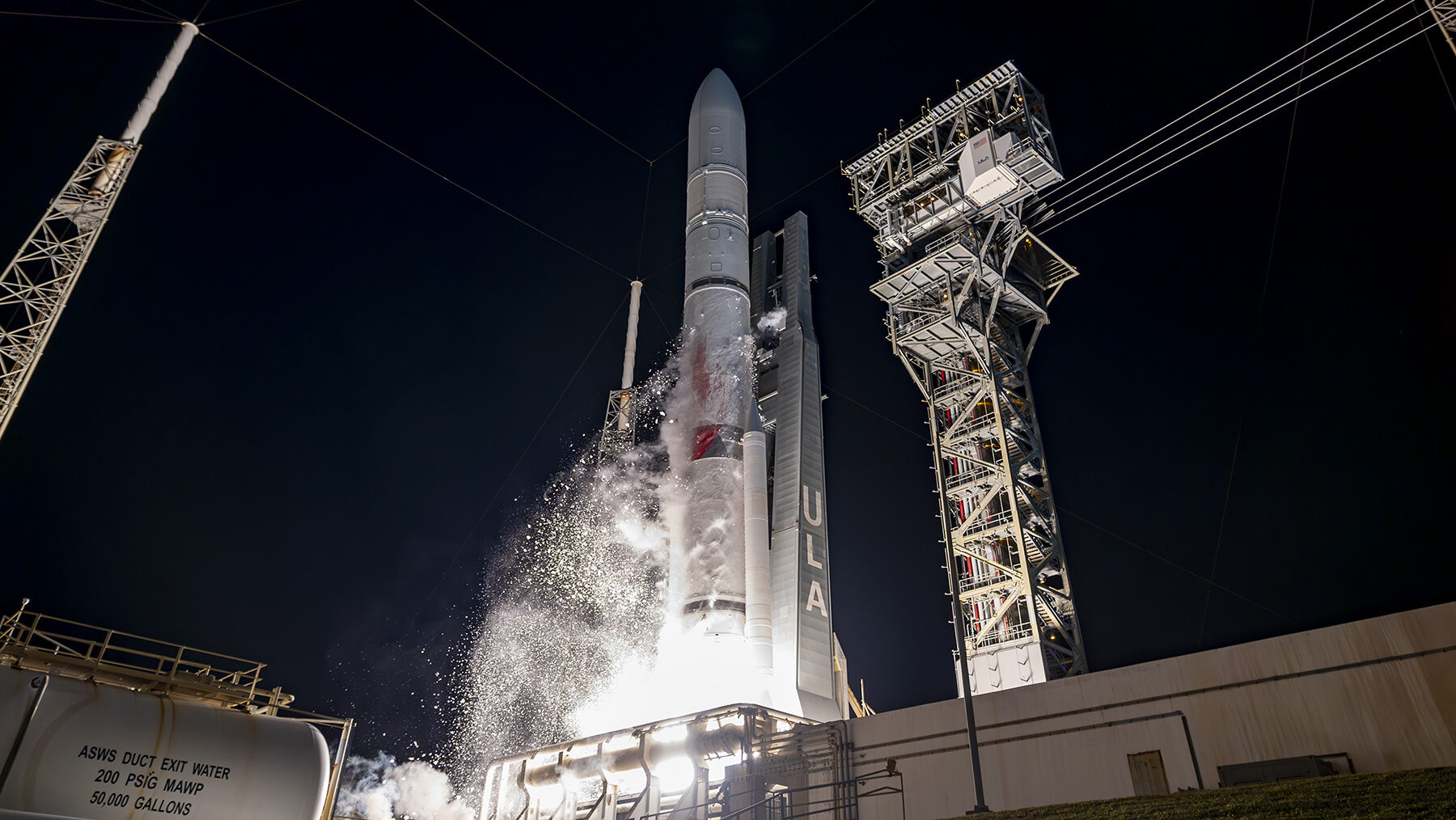
During a discussion in California, Bruno indicated that certification is expected „momentarily,” a term he clarified could mean anytime within the next few months. He emphasized that no additional testing of the Vulcan Centaur rocket is required to achieve this certification, as ULA has satisfied all Pentagon requirements.
To gain certification for its National Security Space Launch (NSSL) program, ULA needs to complete two successful launches. While the first launch in January was successful, the second flight in October encountered an anomaly with one of Vulcan’s solid rocket boosters, which is currently under investigation.
Bruno expressed confidence in meeting two upcoming NSSL launches scheduled for early next year. He highlighted that ULA has 20 launches planned for 2025, with 16 Vulcan rockets already in storage, asserting that their production capabilities are well-aligned with demand.
On the propulsion side, ULA has received 12 BE-4 engines, four of which have already flown. The current production rate is one engine per week, with two necessary for each Vulcan launch. While Bruno acknowledged a desire to increase production rates in the future, he stated that the current pace is sufficient.
Looking ahead, Bruno aims for ULA to conduct 20-30 Vulcan launches annually, with about half designated for national security missions. He noted a positive shift in the company’s operations; when he joined ULA, the majority of launches were government-focused, but now the workload is evenly divided between government and commercial sectors.
Although Bruno declined to address rumors regarding ULA being for sale, he clarified that the company’s operations remain unaffected by the challenges facing its partners, Lockheed Martin and Boeing, including Boeing’s plans for workforce reductions.
In the competitive landscape, ULA’s main rival for military space launch is SpaceX, led by Elon Musk. The rivalry dates back to Musk’s initial efforts to disrupt the market previously dominated by established players. Currently, Musk’s influence has expanded, positioning him as a significant figure in the incoming administration’s approach to space.
When asked about potential impacts on ULA’s business from Musk’s position, Bruno welcomed the administration’s focus on space and national security. He stressed the importance of maintaining a competitive market with multiple providers, asserting that this environment is beneficial for the country as a whole.