The United Kingdom has officially become the third member of a security framework with the United States and Bahrain, marking a significant move toward a broader “multilateral framework” aimed at fostering stability and prosperity in the Middle East, as stated by a senior Bahraini official.
Bahraini Foreign Minister Abdullatif bin Rashid Al Zayani announced at the Manama Dialogue on Friday that the UK was formally invited to join the Comprehensive Security Integration and Prosperity Agreement (C-SIPA) over the weekend.
Hamish Falconer, the UK parliamentary under-secretary of state for the Middle East, North Africa, Afghanistan, and Pakistan, emphasized the importance of collaboration in achieving peace and stability in the region. “Only together can we find ways to bring peace and stability to the region,” he remarked, celebrating the UK’s decision to join the framework alongside Bahrain and the US.
Falconer expressed hope that the agreement would inspire further cooperation among nations in the region and beyond toward shared goals of stability.
C-SIPA was initially signed in Washington in September 2023 as a cooperation framework between the US and Bahrain. While the agreement lacks extensive specifics, it establishes regular meetings and consultations on defense, strengthens military, economic, and technological ties, and focuses on deterring external aggression, according to a State Department fact sheet. The agreement is designed to complement, but not replicate, other security cooperation initiatives such as the Abraham Accords.
The inclusion of the UK is seen as a significant advancement in strengthening regional security integration, enhancing mutual deterrence against outside threats, and expanding collaboration in commerce, science, and technology with allied states to support peace and prosperity in the Middle East, according to the State Department.
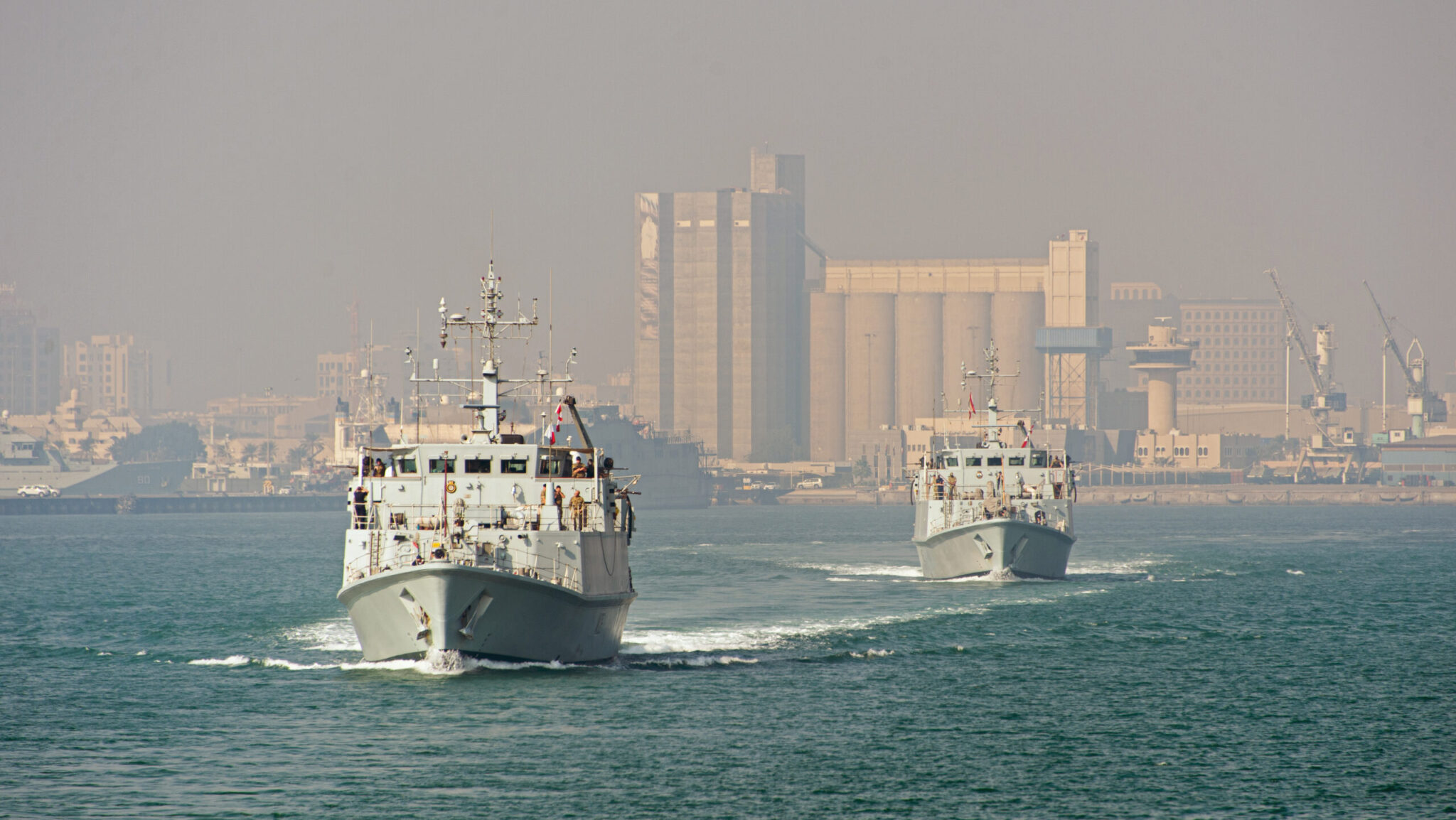
Bahrain-based strategic expert and political researcher Abdullah Al Junaid highlighted that this agreement builds on the UK’s existing security investments in Bahrain, where it has maintained a permanent naval presence since 2016. Bahrain also serves as the headquarters for the Gulf Cooperation Council’s Combined Maritime Forces, which includes the UK among its 46 members.
Al Junaid noted that the agreement could establish a new security framework and potentially serve as a model for broader regional cooperation.
Additionally, during the Manama Dialogue, a senior Canadian official announced a defense cooperation agreement, although its connection to C-SIPA remains unclear.
The timing of these new arrangements coincided with the recent political upheaval in the Middle East following the fall of Syrian dictator Bashar al-Assad. While this development has sparked hope among many Syrians, it has also raised concerns among regional officials and Washington about the risks of increased violence and the resurgence of extremist groups such as ISIS.