



















The recent collapse of Bashar al-Assad’s regime in Syria has left officials and observers anxious as they anticipate the potential consequences. Among the primary concerns for American and Middle Eastern officials is the possibility of extremism flourishing in the resultant power vacuum.
Experts have pointed to several critical flashpoints that could redefine the balance of power in the region for years to come, especially regarding the fate of Russian military bases in Syria and the implications for Iranian support to Hezbollah.
Ali Bakir, a professor at Qatar University and a senior fellow at the Atlantic Council, remarked, “The fall of the Assad regime will have dire consequences for Russia and Iran’s regional influence. The pressing question for ordinary citizens in Tehran and Moscow is: What have we gained from propping up this regime for nearly 14 years?”
What Happens to Russia’s Military Bases in Syria?
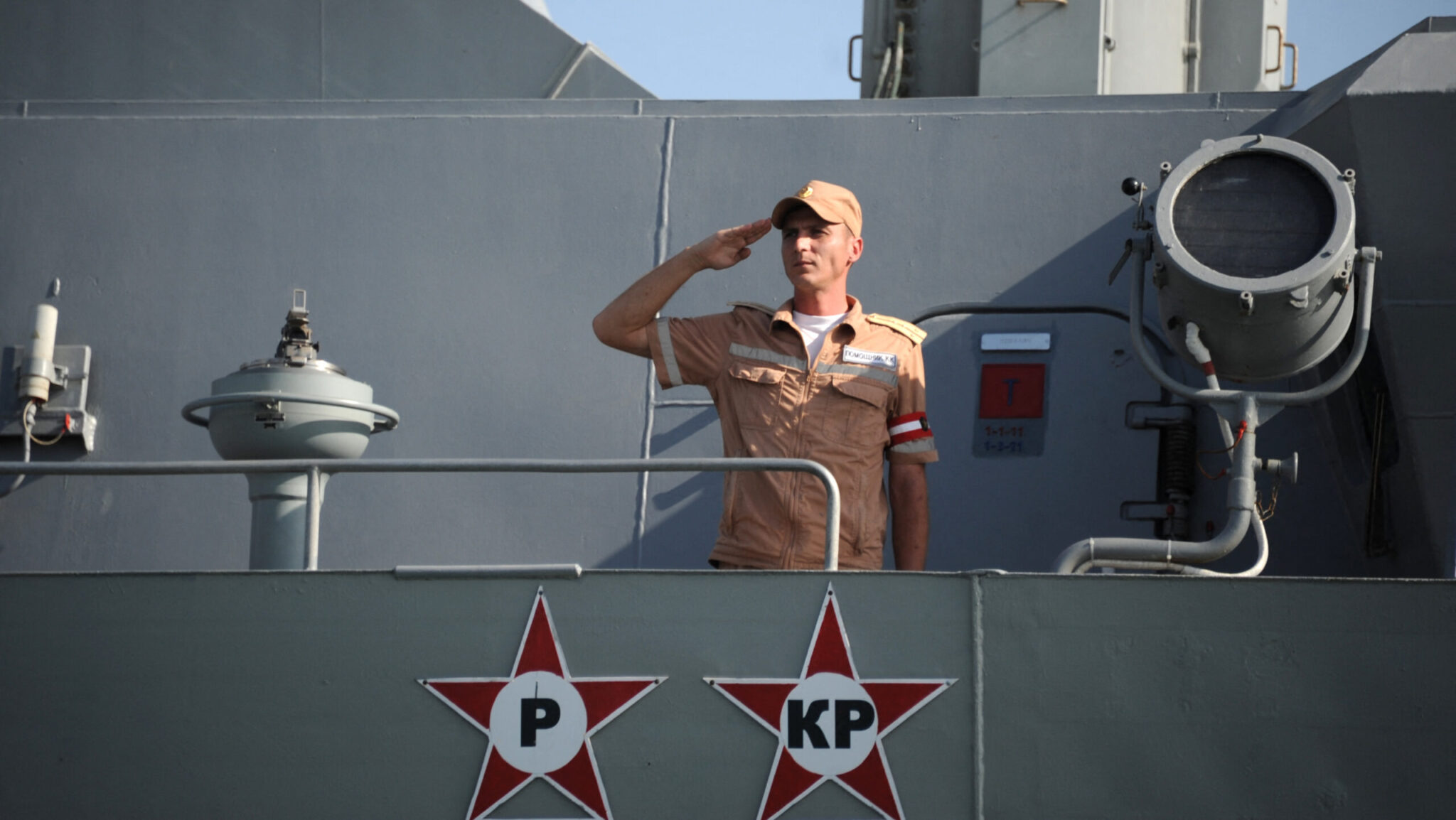
Prior to the regime’s collapse, Russia projected its power in the region through military installations, such as the Hemeimeem air base and Tartus naval base. However, with prospects for Assad’s regime uncertain, the future of these bases is now in limbo.
Maria Zakharova, spokesperson for the Russian Foreign Ministry, emphasized the importance of protecting Russian citizens and facilities in Syria. Recent intelligence reports indicate that Russian naval vessels have started to depart from Tartus, with minimal aircraft remaining at Hemeimeem.
The Pentagon’s Deputy Press Secretary, Sabrina Singh, noted, “We’re seeing Russia consolidate assets, and some naval vessels are leaving.” Bakir suggested that while it may make sense for Russia to withdraw amid potential threats, whether Russian forces will return depends on the evolving political landscape within Syria.
Kristian Alexander, from the Rabdan Security and Defence Institute, outlined three options for Russia: negotiating continued access to military bases with a new Syrian government, facing rejection from insurgents due to its historical support of Assad, or determining that the situation is too unstable to maintain a presence.
“Russia could abandon these bases altogether, marking a significant geopolitical shift that might cede influence to Western or regional powers such as Turkey,” Alexander warned.
What About Iran’s Connection to Hezbollah?
Assad’s downfall poses logistical challenges for Iran as Syria has served as a crucial transit route for supplying Hezbollah in Lebanon. With much of this supply route now controlled by rebels, including key crossings like Al-Boukamal, Iran’s ability to arm Hezbollah is severely compromised.
The Council on Foreign Relations recently reported Israeli strikes on Iranian missile facilities in Damascus that supported Hezbollah, highlighting the existential threat to the group posed by these developments. Bakir believes that Hezbollah’s influence, even within Lebanon, will diminish as a result.
Tehran might need to adapt to this new reality, either by seeking to sabotage opponents or by biding time to regain a stronger position in the region following changes in US leadership.
What About Iraq?
With a loss of influence in Syria, Iran may redirect its focus to Iraq, where it already backs Shi’a militias. Alexander predicts that Iran will seek to reinforce its operations there to maintain a connection to Syria and ensure logistical continuity.
Conversely, Bakir suggested that the collapse of Assad could drive these militias to align more closely with the Iraqi government, facing increased internal and external pressures to integrate into official Iraqi institutions, rather than pursue Iranian agendas.
Ultimately, while the answers to these complex dynamics may remain uncertain for weeks or months, it is clear that the recent developments are reshaping the power landscape in the Middle East, with implications that could last for years to come.


