A new report from the Stimson Center emphasizes that the U.S., along with its allies and partners, must adapt its air forces to address China’s substantial missile capabilities, which could incapacitate air bases across the Indo-Pacific for up to 12 days in the event of a military conflict.
The report warns that by denying the United States access to critical runways and taxiways, the People’s Liberation Army (PLA) could secure air superiority without needing to defeat American advanced aircraft. It concludes that current U.S. countermeasures—such as better dispersal of aircraft, enhanced runway repair capacities, and improved missile defenses—are insufficient to mitigate the risks posed by China’s missile arsenal.
US Vulnerability to Missile Strikes
Central to the analysis are the vulnerabilities of U.S. air bases in Japan, Guam, the Northern Mariana Islands, the Marshall Islands, the Federated States of Micronesia, and Palau. The report suggests that initial strikes by China could severely hamper U.S. and allied operations, particularly in Japan, for up to 12 days. Importantly, the ability to refuel aircraft could be jeopardized for over a month, limiting the range of U.S. fighters and their capacity to conduct combat air patrols over critical areas like Taiwan or the South China Sea.
The report argues that addressing these vulnerabilities is one of the most pressing challenges for the U.S. Air Force today. It highlights the danger of operational ineffectiveness in the early stages of a conflict, which could embolden Chinese military planners to pursue aggressive actions with a perceived window of opportunity.
Proposed Solutions and Strategic Shifts
The authors contend that simply increasing the number of missile defense systems or fighter jets will not suffice. Instead, they advocate for the development of „large numbers of long-range drones and missiles” to ensure contested airspace and to counteract Chinese assault early in a conflict, even without significant support from traditional aircraft.
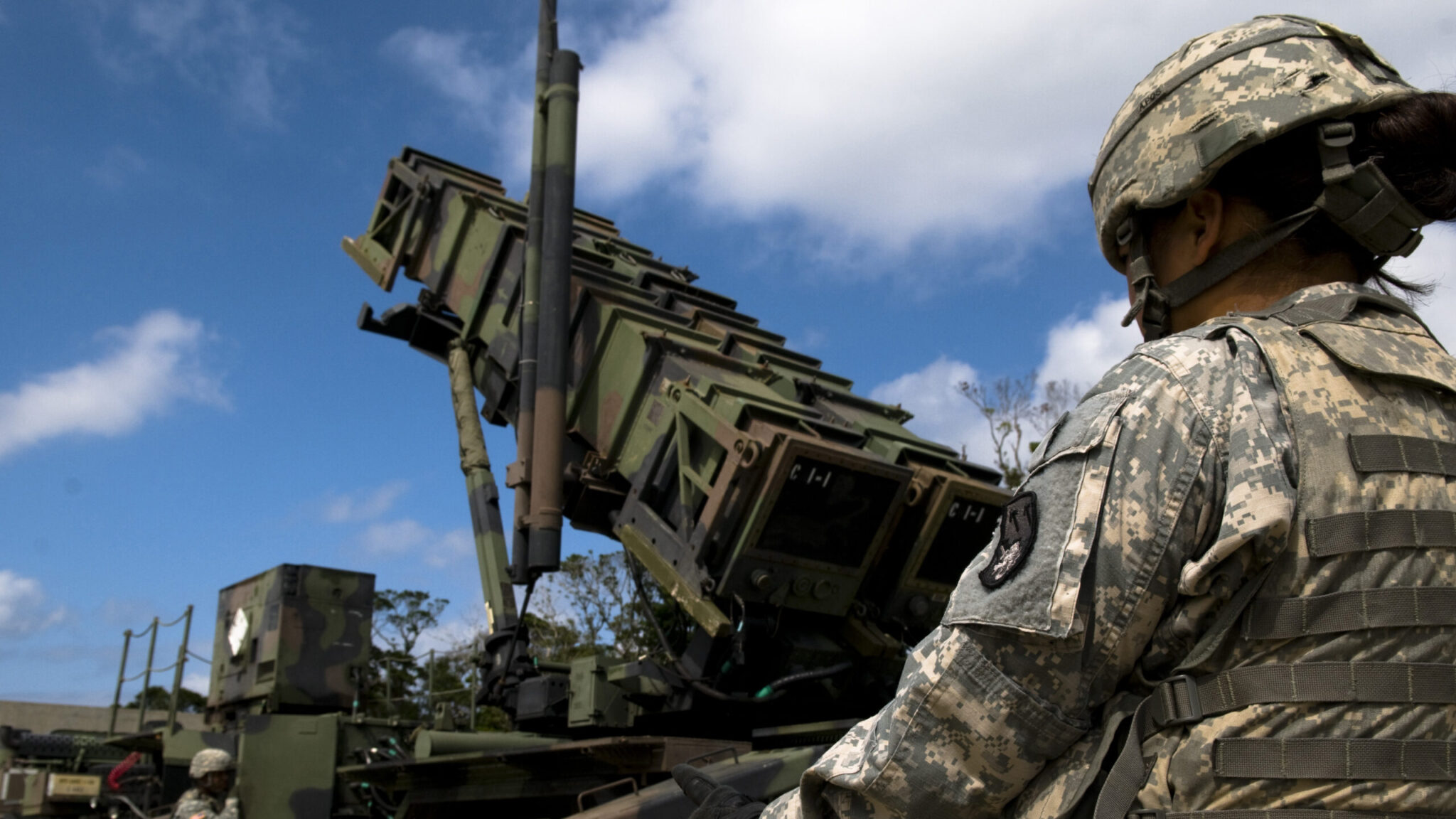
The report also stresses the unsustainable nature of the current U.S. missile defense arsenal, noting a recent incident where U.S. Navy ships fired a year’s supply of SM-3 interceptors in a single day to counter Iranian missiles. The study warns that the U.S. would likely deplete its inventory of Patriot and THAAD interceptors within the first day of conflict, rendering these defenses inadequate.
Role of Allies and Training Focus
The authors recommend that allies and partners assume greater responsibility for air superiority in the initial stages of a conflict. They suggest that instead of investing in „prestige weapons systems,” such as upgraded F-16s or co-developing next-generation fighters, nations like Japan should focus more on expanding their defense spending and enhancing training in drone warfare.
Ultimately, the report delivers a sobering reminder of the harsh realities of modern conflict, asserting that U.S. air bases will face continuous threats from Chinese missiles. Decision-makers in Washington must confront difficult questions regarding the potential costs—both material and human—of engaging in a conflict with China and assess the implications for U.S. national interests.