South Korea’s Leadership Crisis
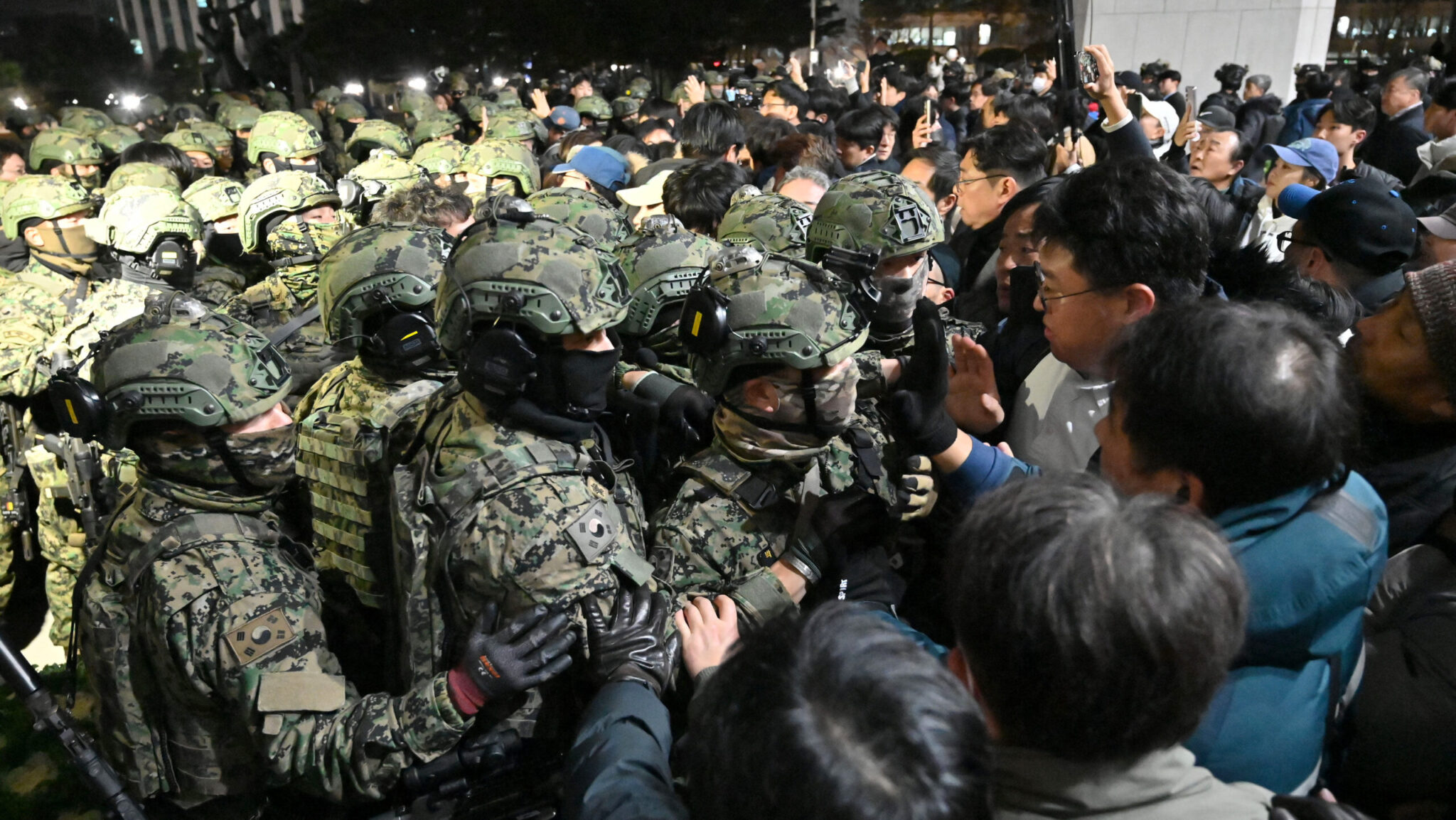
As 2025 begins, the Indo-Pacific is expected to experience considerable political upheaval, starting with South Korea’s search for a successor to impeached President Yoon Suk Yeol. His unexpected declaration of martial law poses a significant threat to the country’s democratic stability, leading to uncertainty about its future foreign and national security policies. Emerging from this political turmoil, South Korea may adopt a more conciliatory stance toward China, reevaluate its intelligence-sharing relationship with Japan, and pursue a less aggressive approach to North Korea.
Japan’s Struggles with Domestic Discontent
In Japan, the government led by Prime Minister Ishiba Chigger faces challenges in maintaining the General Security of Military Information Agreement (GSOMIA) with South Korea, which facilitates crucial intelligence sharing on North Korea. Following a public rebuke in the October elections, Japan’s government may find it difficult to uphold this important security arrangement, putting at risk the cooperative defense efforts initiated between the two nations.
Strengthening Australia-Japan Relations Amidst Turmoil
Meanwhile, Japan and Australia have been rapidly enhancing their partnership, viewing each other as second only to the United States in terms of allies. Recent announcements included plans for Japanese marines to conduct regular training rotations in Australia. However, the stability of this burgeoning relationship may be tested by the political developments in Japan.
Upcoming Australian Elections and Their Potential Impact
Further south, Australia could also face its own political challenges with national elections anticipated in March. Prime Minister Anthony Albanese’s Labor government is expected to win, but there’s potential for significant shifts in power dynamics, particularly with the rise of the Teal independents. The outcome could either secure or diminish the Labor Party’s influence over defense spending, which has seen a decline in real terms from 2023 to 2026, despite growing regional strategic concerns and the AUKUS alliance.
Realigning Defense Priorities with AUKUS
Both Japan and South Korea’s efforts to collaborate on advanced defense capabilities under AUKUS will hinge on their domestic political outcomes and the broader strategic calculations of the incoming Trump administration in the U.S. These dynamics will be crucial as the region navigates an increasingly complex security environment.
The Shadow of China’s Military Ambitions
In a parallel context, military analysts will closely scrutinize China’s political landscape as it undergoes a significant purge of top military leaders. This development raises questions about the direction of Chinese military policy, particularly as the U.S. government anticipates that President Xi Jinping aims to prepare the People’s Liberation Army for a potential armed takeover of Taiwan by 2027.
Preparing for Potential Conflict in Taiwan
This looming deadline serves as a critical backdrop for regional powers like Japan and Australia, both of which are increasing their defense budgets and strategically planning for contingencies involving Taiwan. Although most experts hesitate to predict an immediate attempt by Xi to take Taiwan, the urgency in military planning reflects awareness of the necessity to prepare for the worst-case scenarios within the next two years.