Unpredictable Patterns from the First Term
The first Trump administration’s unpredictable nature made it challenging to foresee changes, even in areas as seemingly mundane as the defense industrial base. As we consider the prospects of a second term, it is essential to examine the current political landscape, reflect on the previous term, and contemplate significant questions that may arise within the defense industry.
Will Trump Reengage in Defense Acquisition?
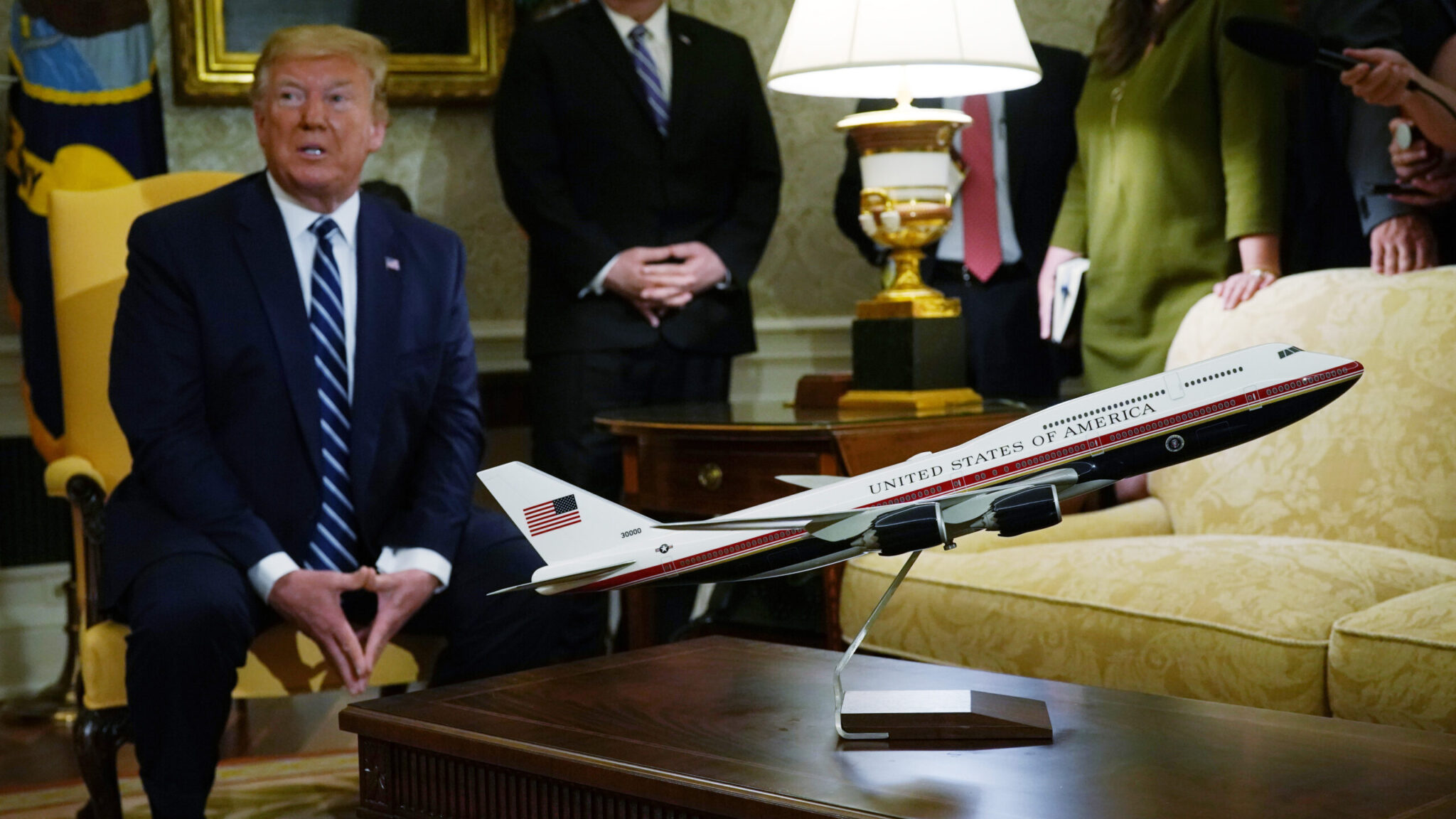
One notable aspect of Trump’s first term was his unusual personal involvement in defense acquisition processes. His interest ranged from advocating for traditional steam catapults on aircraft carriers to pushing for considerations like the “Super Duper Hornet” F/A-18 variant. With reports indicating Trump has already contacted Boeing’s CEO regarding the Air Force One replacement program and the F-35, it seems highly likely that he will again seek to exert influence over major defense contracts. If past actions serve as indicators, we can expect Trump to target high-profile aerospace projects, possibly revisiting the F-35 or exploring other fighter jet developments.
The Future of Defense Spending
The fiscal constraints imposed by the Fiscal Responsibility Act have limited the FY24 defense budget, and although FY25 appropriations are still pending, projections indicate compliance with those limits. The real test will come with FY26—the first opportunity for the Trump administration to shape defense funding directly. Analysts are divided on whether Trump will advocate for increased defense spending given the potential influence of hardline fiscal conservatives within a narrowly divided GOP majority in the House of Representatives.
Navigating Competing Interests in Defense Budgeting
Moreover, initiatives like the Department of Government Efficiency, led by figures such as Elon Musk and Vivek Ramaswamy, propose significant budget cuts, complicating defense spending prognostications. Despite the general agreement on eliminating waste, it’s unlikely that defense contractors will readily propose cuts to their funding.
Trump’s Relationship with the Defense Industry
In his previous presidency, Trump fostered relationships with major defense contractors, praising the leadership of executives from firms such as Lockheed Martin and Boeing. However, it now appears that his alliances may shift toward leaders from defense startups and venture capital, as evidenced by his selection of Stephen Feinberg from Cerberus Capital Management for a senior defense role. This potential pivot may favor less expensive, autonomous systems as opposed to the pricier, traditional weaponry favored by legacy defense companies.
Emphasis on Cost-Effective Solutions
The anticipated emphasis on cost-effective defense solutions could reshape spending dynamics within the Pentagon, with a possible preference for autonomous air and naval systems over conventional platforms. This strategy would reflect the ongoing tension between fiscal restraints and defense requirements, especially as individuals with startup backgrounds gain prominent positions in the administration.
Regulatory and Contracting Environment Post-Trump
Finally, potential shifts in regulatory policies, particularly relating to mergers and acquisitions, may redefine the defense landscape. The last Trump administration’s relaxed stance on antitrust enforcement led to significant consolidations in the industry. Observers speculate that a second Trump term could further relax regulations, enabling more mergers and acquisitions similar to Northrop Grumman’s previous purchase of Orbital ATK, although the Biden administration later halted Lockheed’s acquisition attempt for Aerojet Rocketdyne.
In conclusion, the interplay of these considerations will shape the defense industrial base as Trump embarks on a potential second term, underscoring the need for vigilance amid the unpredictability of his leadership style.