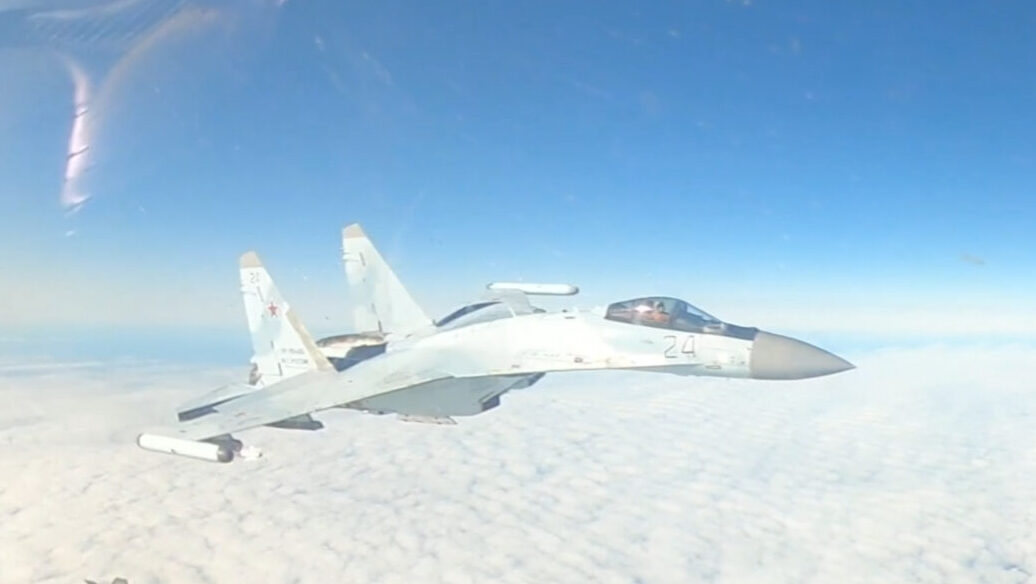
Overview: Tensions between Iran and its regional adversaries seem to be shaping a closer partnership with Russia, as a senior Iranian military official has confirmed the completion of a deal to purchase Russian Sukhoi SU-35 fighter jets.
Details of the Acquisition: Islamic Revolutionary Guard Corps Gen. Ali Shadmani highlighted the significance of the deal, stating that military purchases are imperative for strengthening Iran’s air, land, and naval forces. While specifics regarding the number of jets purchased or the financial terms were not disclosed, Shadmani emphasized the acceleration of military equipment production in Iran.
Regional Security Context: Shadmani issued a stern warning to perceived threats, particularly aimed at Israel, asserting that any aggressive actions would result in retaliatory strikes from Iran’s missile capabilities. His comments come shortly after the signing of a Comprehensive Strategic Partnership Treaty between Tehran and Moscow, aimed at enhancing defense and other collaborative efforts.
Skepticism Surrounding the Deal: Behnam Ben Taleblu, a senior fellow at The Foundation for Defense of Democracies, expressed caution regarding the reported acquisition. He emphasized the need for tangible evidence of the SU-35s in Iran to confirm the deal’s legitimacy, noting past instances of misinformation surrounding similar negotiations. He suggested that announcements about training and financial arrangements may be attempts to manage public expectations and bolster Iran’s deterrence messaging.
Strategic Implications: If successfully integrated into Iran’s air force, the SU-35 jets could significantly improve the nation’s territorial defense capabilities. This development comes on the heels of preceding damage to Iran’s long-range air defenses, previously supplied by Russia, due to Israeli airstrikes. The addition of the SU-35s would enhance Iran’s military posture in the Middle East but would not immediately transform its long-range strike capabilities due to ongoing reliance on unmanned systems and the training requirements for Air Force personnel.
Current Iranian Air Fleet: Iran currently operates a mix of Russian and outdated US-built aircraft, including the Su-24 MK and Mig-29 A, along with F-4 and F-5E fighters. The Su-35, introduced in 2014, is primarily an air superiority fighter with secondary ground attack capabilities, representing a potential upgrade in Iran’s aerial combat efficiency.
Conclusion: The confirmed purchase of Russian SU-35 fighter jets signifies a strategic shift that could complicate military calculations for Iran’s adversaries. However, the successful integration and operational readiness of these aircraft remain contingent upon overcoming training and logistical hurdles in the short term.