Unprecedented Commitment to Military Support
In a significant boost for Ukraine’s defense efforts, the Ukraine Defense Contact Group (UDCG), spearheaded by the UK and Germany, has solidified a historic wave of military aid packages collectively valued at over €21 billion ($23.8 billion). The announcement came from UK Secretary of State for Defence John Healey during the group’s meeting at NATO headquarters in Brussels.
Details of the New Aid Package
Healey revealed that the pledges made during the 27th UDCG meeting—comprising 51 nations—amount to a record investment in military funding for Ukraine. Notably, the United States did not contribute to these new funding packages despite Defense Secretary Pete Hegseth participating in the meeting remotely.
German Acting Defense Minister Boris Pistorius outlined that Germany’s contribution will exceed half of the new funding, with a generous €11 billion package set to extend funding through 2029. This figure adds to previous commitments already made to Ukraine.
Berlin’s military supplies will include advanced IRIS-T air defense systems, Patriot missiles, Marder infantry fighting vehicles, and Leopard main battle tanks. “This year, we will deliver additional air defense systems of different ranges, as well as guided missiles,” Pistorius stated, reinforcing Germany’s ongoing commitment to support the Ukrainian armed forces with necessary equipment.
Continued Support and Training Initiatives
Emphasizing Germany’s resolve, Pistorius remarked, “Russia needs to understand that Ukraine is able to go on fighting, and we will support” its efforts. Along with the material aid, Germany plans to formalize “further framework agreements” with industry on spare parts and will persist in training Ukrainian troops.
UK’s Surge in Military Aid
In parallel to Germany’s efforts, the UK announced a “surge” in military assistance to Ukraine, leading a £450 million ($583 million) package financed in part by Norway. This significant aid package includes “hundreds of thousands” of drones, radar systems, and anti-tank mines. The UK Ministry of Defense (MoD) detailed that £350 million of the package will be allocated from its existing £4.5 billion military support budget for Ukraine, while Norway contributes through the International Fund for Ukraine.
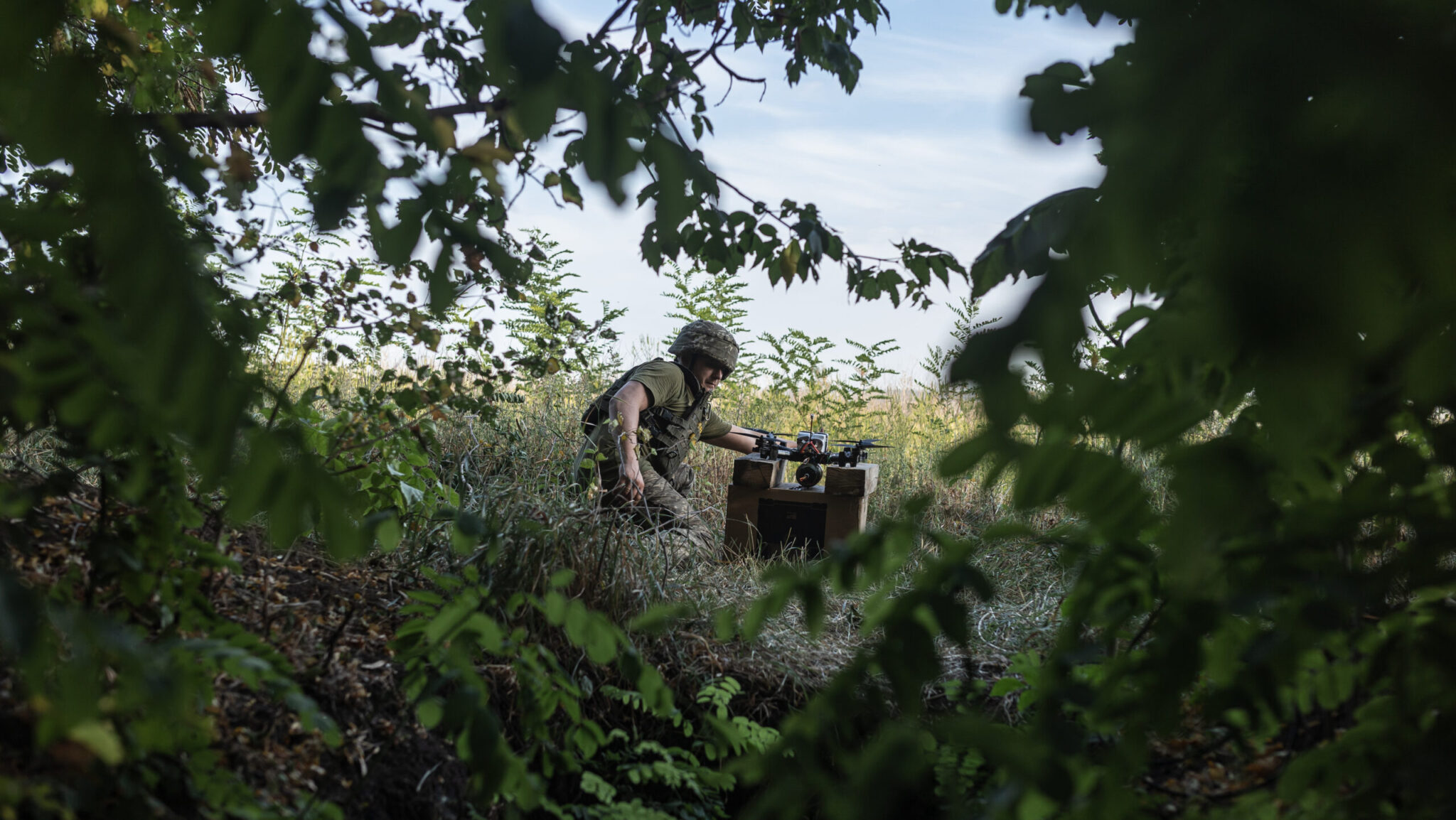
The package will feature close combat weapons, including First-Person View (FPV) drones and armed drones, along with funding for repairs and maintenance services for UK vehicles already supplied to Ukraine.
Impact of Drones in the Conflict
The MoD highlighted the critical role of FPV and armed drones in shaping the battlefield dynamics in Ukraine, noting that these drones are responsible for 60-70% of damage inflicted on Russian equipment. The UK and Latvia are also at the forefront of the International Drone Capability Coalition, which pledged to send 30,000 FPV drones to Ukraine earlier this year. Reports suggest that Ukraine plans to procure 4.5 million FPV drones alone in 2023.
Gen. Christopher Cavoli, Supreme Allied Commander Europe and head of US European Command, addressed the House Armed Services Committee, emphasizing that the Department of Defense should align its production of FPVs with Ukraine’s ambitious annual production target of approximately four million aviation units.
Conclusion
The UDCG’s commitment represents a crucial step in strengthening Ukraine’s military capabilities amidst ongoing conflict. With substantial contributions from both Germany and the UK, the new military aid packages aim to bolster Ukraine’s defense against external threats while addressing immediate needs on the battlefield.