Maintaining Readiness Amidst Cost-Cutting Measures
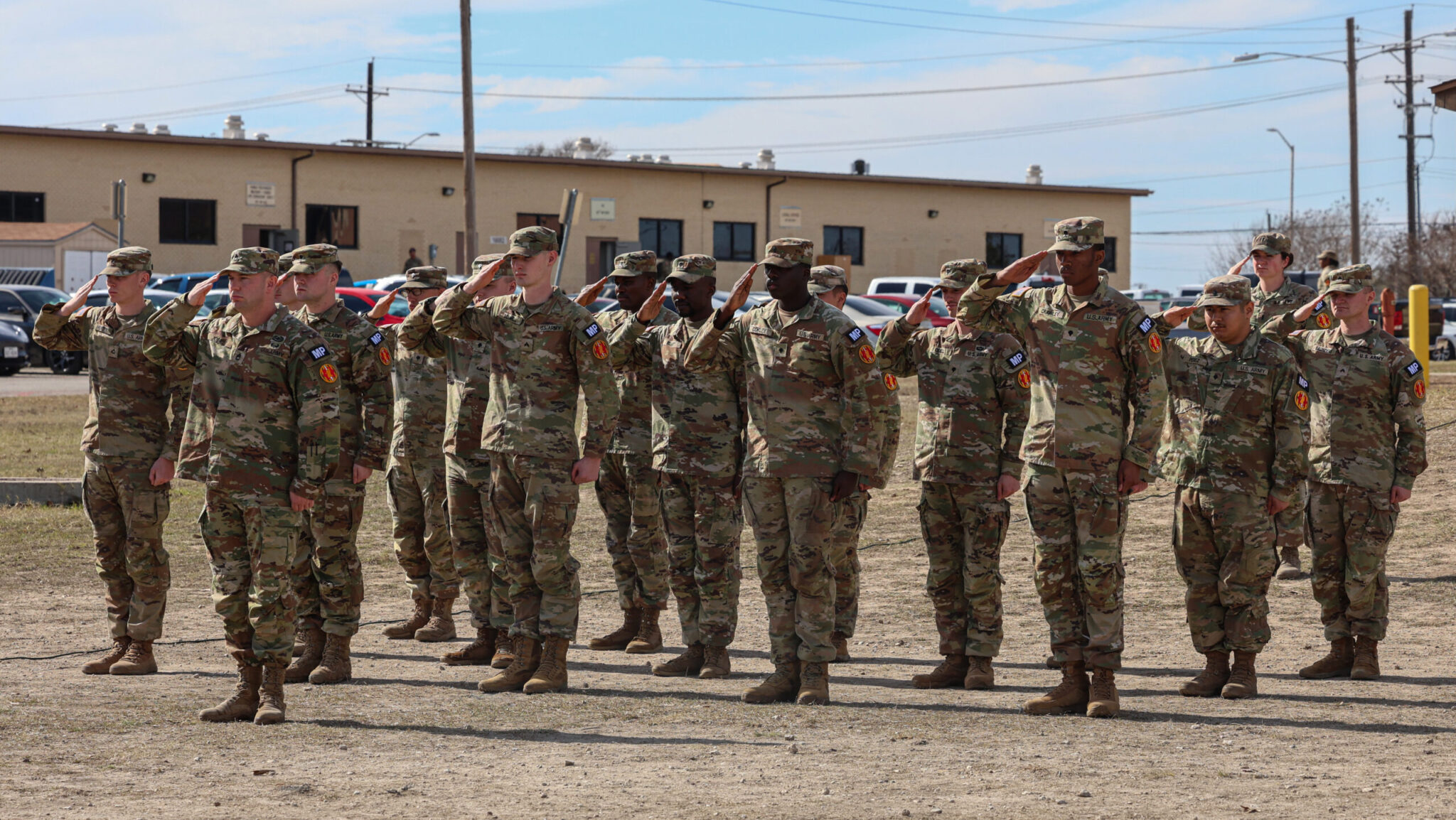
As the Pentagon prepares to present its “skinny budget” to Congress, which outlines intended spending without detailed funding tables, discussions surrounding budget cuts have intensified. While topics like proposed trillion-dollar budgets and weapon cancellations garner headlines, a less discussed and controversial proposal threatens to cut the Army’s end strength by up to 90,000 troops.
In this climate of necessary realignments across military services regarding operating dollars and capabilities, it is critical that any adjustments enhance the Army’s readiness rather than diminish it. Secretary of Defense Pete Hegseth is justifiably focused on ensuring the force remains prepared, reminding us of historical instances where unprepared Army forces faced dire consequences.
The Dangers of a Hollow Force
The current challenge for the Army lies in the disparity between end strength—meaning the actual number of soldiers in the Army—and force structure, which represents the number of positions available. With a force structure of about 470,000 spaces but an active end strength of less than 450,000 soldiers, the Army faces a 20,000 soldier gap, creating a state of unreadiness within formations.
While one might suggest cutting the force structure to align with current end strength, this fails to address the issue fully, as personnel movement, illness, and training leave “holes” in formations. Instead, it would be more effective for the Secretary of Defense to mandate that all Army units operate at 105 percent of authorized strength to ensure sufficient personnel are available when needed. This approach would require a reduction in force structure by 40,000 spaces, creating an end strength of 450,000 soldiers with a structure of 430,000.
Strategic Considerations and Global Implications
Cutting Army end strength at this juncture would send the wrong message to adversaries closely monitoring U.S. military capabilities. While addressing critical needs in shipbuilding and munitions, a streamlined Army structure requires time—potentially exceeding the remaining 3.5 years of the current administration. Historical perspectives, such as those noted by T.R. Fehrenbach, underscore the enduring need for boots-on-the-ground capabilities when it comes to securing and protecting nations.
The preparation lessons learned during previous conflicts, including the Iraq War, underscore the importance of retaining a ready and capable Army. “You go to war with the army you have, not the army you might want,” serves as a poignant reminder amidst today’s global threat landscape.
Future Readiness and the Value of Options
The administration must prioritize options that maintain and enhance Army end strength, as rebuilding force structure is a more viable and faster process than rebuilding personnel. With impending national defense budgets approaching $1 trillion and with efforts to cut civilian personnel, weapon systems, and lower-priority programs, the Pentagon is in a unique position to bolster readiness without compromising end strength.
In conclusion, rather than slashing end strength in an effort to save costs, a focus on restructuring force capacities is essential. This strategy will ensure that the Army remains equipped and ready to respond effectively in a rapidly changing global environment while safeguarding against potential vulnerabilities that could arise from diminished troop numbers.