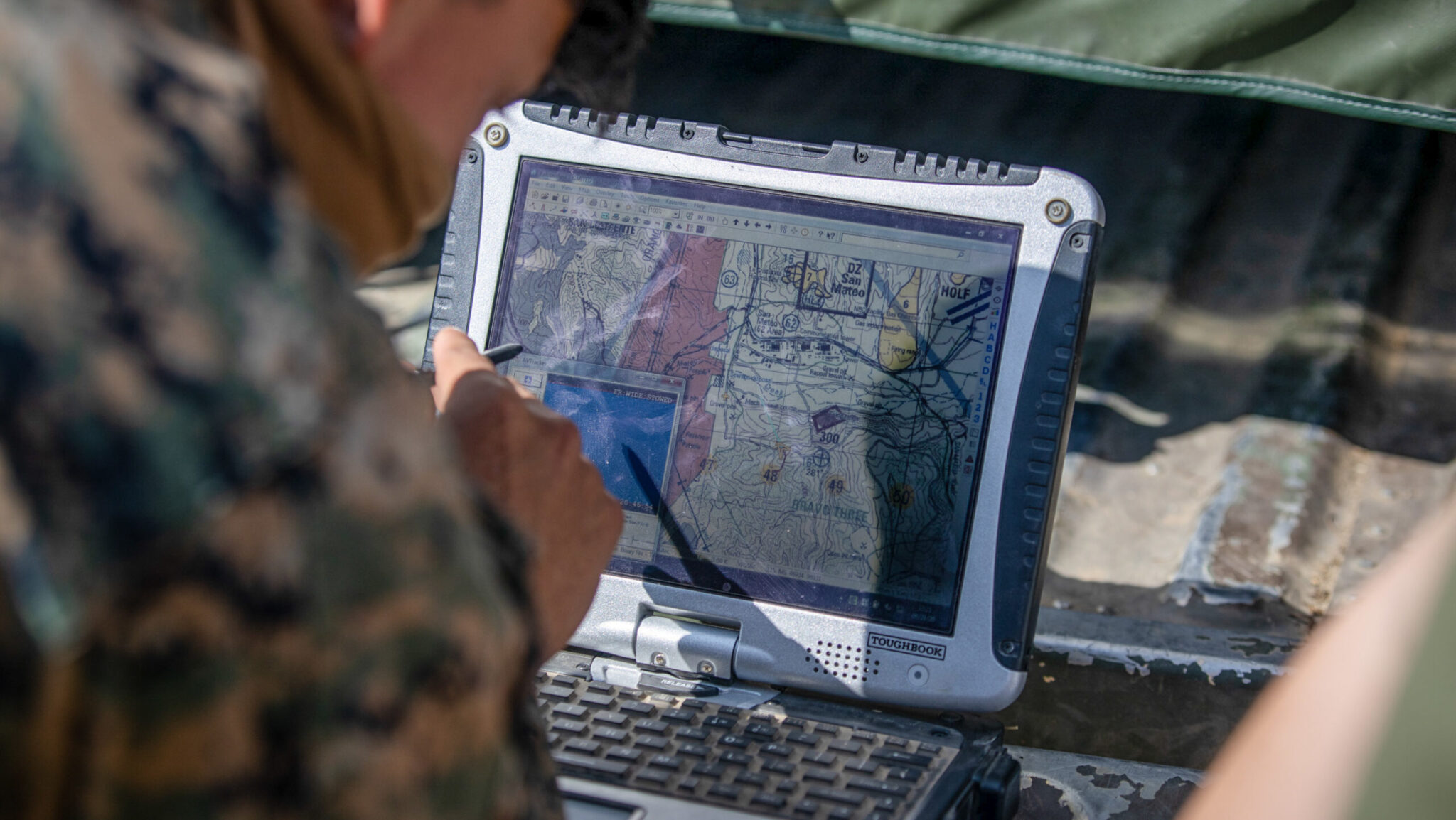
Data Fusion at the Tactical Edge
As the mission of Marine Forces Special Operations Command (MARSOC) transitions from counter-terrorism to supporting large-scale combat operations, officials have identified a critical challenge: effectively managing and utilizing the vast amounts of data collected on the battlefield. Lt. Col. Matthew Deffenbaugh highlighted the need for data to reach decision-makers swiftly to enable informed responses with both lethal and non-lethal capabilities.
Deffenbaugh proposed a strategy focused on data „fusion” and analysis at the tactical edge, allowing smaller data packages to be rapidly transmitted back to command. “Pushing intelligence fusion to the lowest tactical level” would empower lower-ranking officers with the necessary intelligence and communication tools to make informed decisions quickly.
Integration of Advanced Technologies
MARSOC’s adaptations also include the integration of cutting-edge technologies into its operations. First-person-view (FPV) drones have emerged as a key element, becoming an essential tool for MARSOC, according to Col. Shane Edwards. He noted that the technology is ubiquitous across military and paramilitary operations globally.
Maj. Gen. Peter Huntley, MARSOC commander, remarked on the rapidly evolving operational environment, emphasizing the impressive capabilities now held by adversaries, including their own use of FPVs. In response, MARSOC is actively pursuing small drone technologies, including loitering munitions, which have already been incorporated into their operations.
Game-Changing Robotics and Artificial Intelligence
The discussion at the Modern Day Marine event also touched on the transformative potential of small robotics and artificial intelligence (AI) in combat situations. Both Edwards and Huntley acknowledged AI’s crucial role in enhancing data aggregation and streamlining the intelligence cycle. As Huntley put it, those who adapt quickly to these technological advancements will significantly improve decision-making speed.
“The automation of the intelligence cycle will drive your decision-making,” Huntley emphasized, warning that slow adaptation could leave forces vulnerable in contemporary conflicts.
Facing the Complexity of Future Conflicts
Despite the advances in technology and data capabilities, Huntley cautioned that potential future conflicts—such as those anticipated in the Pacific—may resemble the gritty realities faced by troops in historical campaigns. He predicted that while the operational landscape is becoming increasingly complex, the nature of ground combat might remain dauntingly familiar, echoing the challenges seen in previous wars.
As MARSOC navigates these challenges, the focus remains on integrating advanced technologies while adapting to the realities of modern warfare, ensuring that their operators are equipped for the demanding environments they may encounter.