Republicans Unite Against Democratic Amendments
The House Armed Services Committee (HASC) has passed a substantial $150 billion increase in defense funding, navigating a contentious session that saw Republicans reject nearly two dozen amendments from Democrats. The vote, which concluded with a tally of 35-21, included support from five Democratic representatives, enabling the passage of the bill largely untouched after approximately four hours of debate.
This legislation will proceed to the House Budget Committee, where it will be merged with other pending measures into a comprehensive bill aimed at fulfilling President Donald Trump’s spending priorities, including defense and border security. Using a reconciliation process, Republicans plan to advance this bill without risks of a filibuster from the Democrats.
Chairman Hails Historic Opportunity
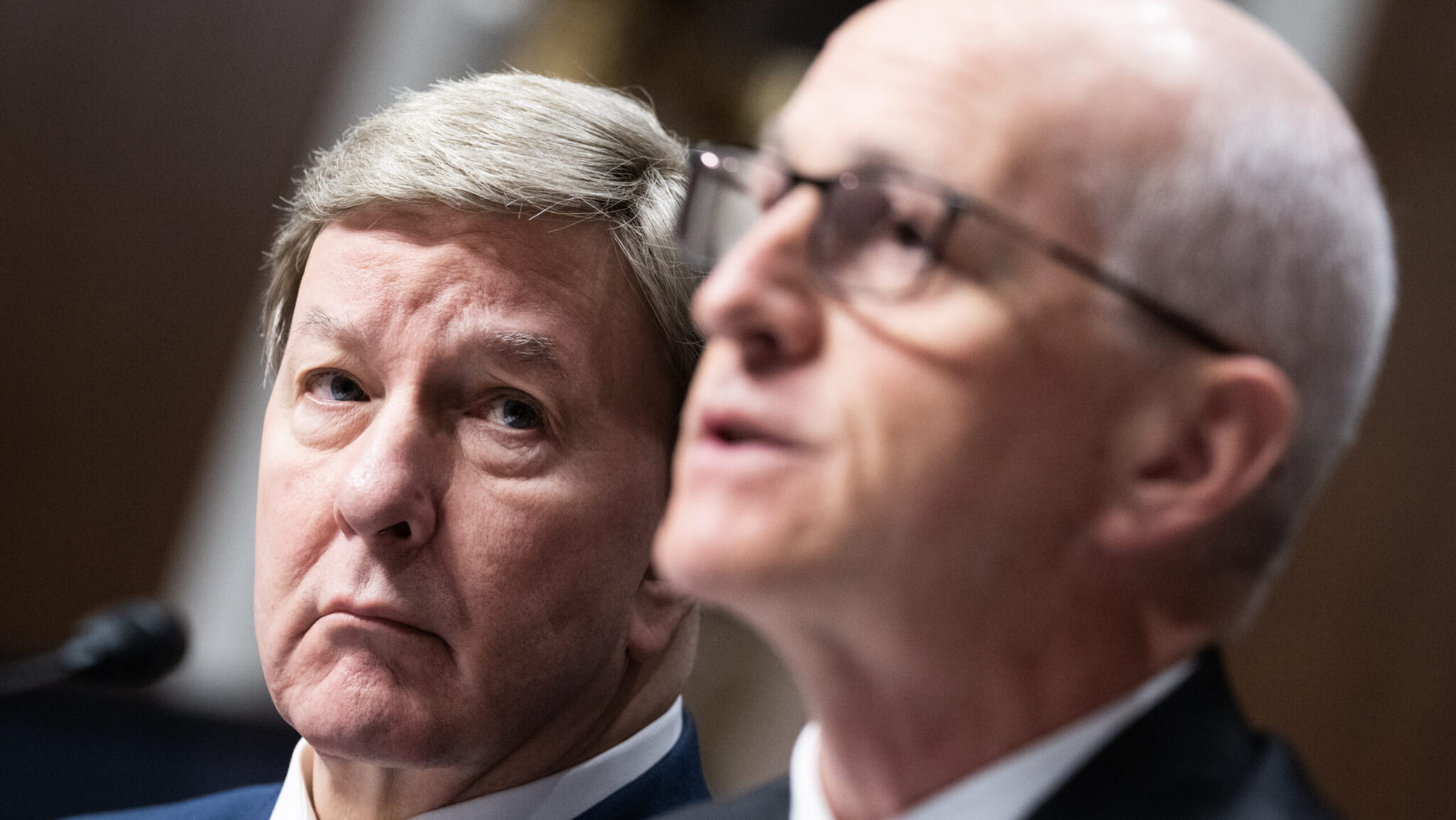
HASC Chairman Mike Rogers hailed the passage as a “historic day,” emphasizing it as the first time the committee has utilized reconciliation to expand defense funding. This bill allocates significant resources toward critical areas such as shipbuilding, munitions, and the administration’s controversial Golden Dome missile shield.
In contrast, Rep. Adam Smith, the committee’s highest-ranking Democrat, opposed the increase, expressing concerns that the larger reconciliation bill would compromise funding for essential programs like Medicare and the Centers for Disease Control. Smith criticized Defense Secretary Pete Hegseth, claiming he has not demonstrated effective leadership and has failed to utilize funds wisely.
Democratic Concerns Ignored
Throughout the session, Republicans dismissed a range of proposed amendments aimed at holding the Pentagon accountable for spending and management practices, particularly in light of the Signalgate scandal involving allegations of improper communications. One such amendment, sponsored by Rep. Smith, sought to limit 75 percent of the funding until Hegseth certified measures to control classified information leaks.
Other proposed amendments aimed to restrict funds until Hegseth resigned or reduced his salary to $1, along with various stipulations aimed at preventing conflicts of interest regarding defense contractors. Notably, amendments targeting funding for a Pentagon makeup studio and military parades also met defeat, reflecting GOP resistance to restricting defense spending.
Debate Over Combat Readiness and Future Consolidation
Concerns about consolidating U.S. combat commands were also prominent during the discussions, yet Republicans voted against amendments designed to prevent such actions. Critics of potential consolidations argued that distinct command missions should remain independent to effectively address specific threats, particularly in counterdrug operations and cooperation with NATO.
Despite bipartisan apprehensions, Chairman Rogers maintained that issues related to command structure should be addressed in future defense policy discussions rather than during the reconciliation process.
Lost Opportunities for Accountability
The vote on defense funding also encased a broader battle over accountability within the Pentagon. Amendments aimed at forcing the release of communications regarding the Signal app, relevant to ongoing scrutiny of Hegseth’s conduct, were blocked by House Republicans. Overall, while the approval of the $150 billion increase marks a significant moment for defense funding, it showcases the partisan divide over military accountability and transparency as related scandals loom over the Pentagon’s leadership.