Leadership Foresees Reassessments and Possible Reversal of Some Decisions
The U.S. Army’s aviation sector has endured substantial cuts under the new Army Transformation Initiative (ATI), with deeper reductions than initially anticipated. However, Maj. Gen. Clair Gill, commanding the Army Aviation Center of Excellence, indicated that these decisions are still preliminary, and some programs might be reevaluated or restored after further analysis.
Early Decisions Under Review
Gill told reporters that ongoing assessments could lead to modifications of current cutbacks. “There’s probably more fidelity we’re going to get out of the decisions already made, and we might even walk some things back if appropriate,” he said. The general emphasized that officials will explore alternatives, including slowing down or halting some divestments, if evidence suggests they are unnecessary or counterproductive.
Impacts on Helicopter and Drone Programs
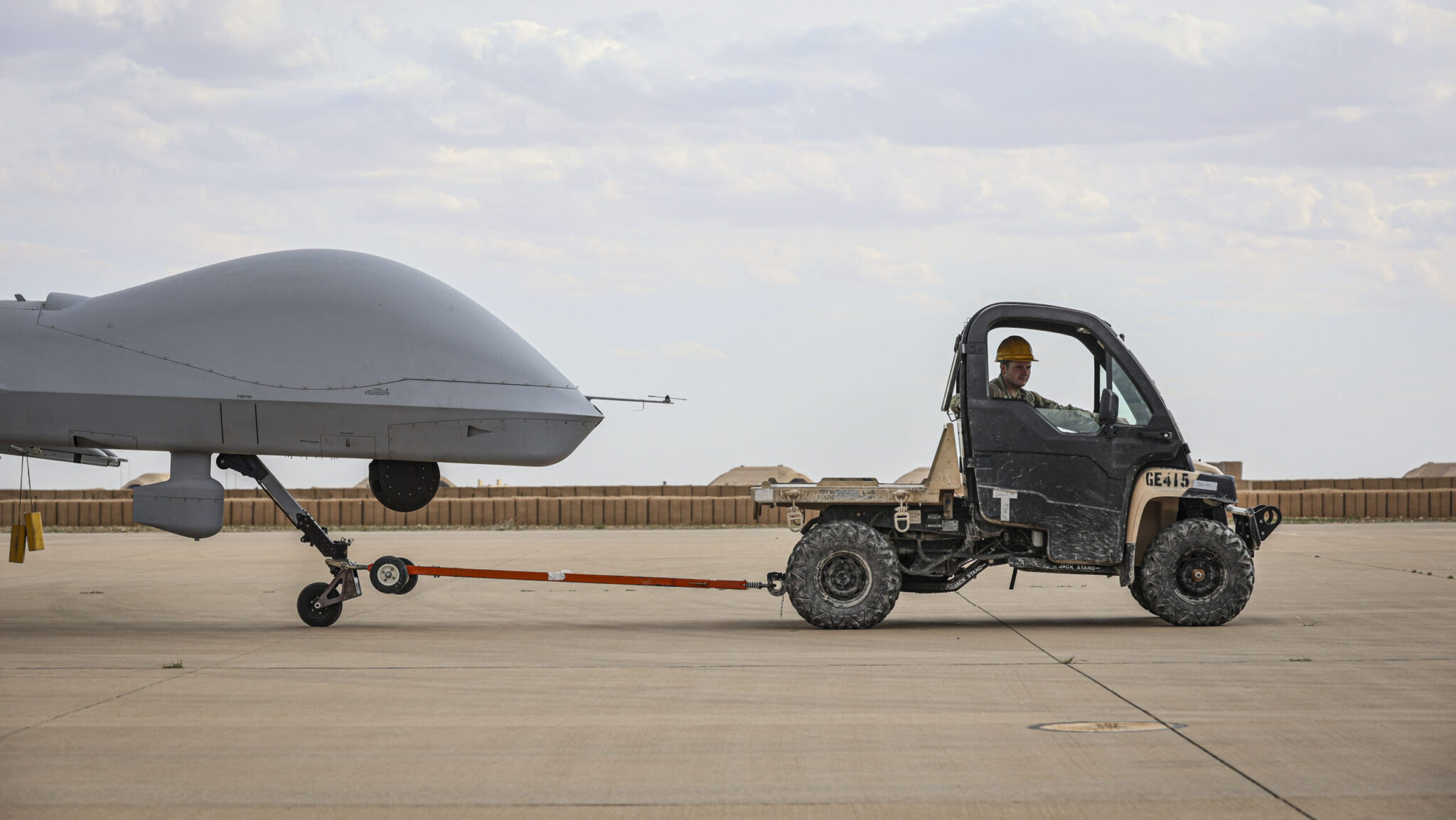
The initial cuts include divesting older helicopters like the AH-64D Apache and transitioning solely to AH-64E models. Additionally, the Future Tactical Uncrewed Aircraft System (FTUAS) competition is being canceled, further buy restrictions are placed on General Atomics’ Gray Eagle drones, and the future of the General Electric’s Improved Turbine Engine Program (ITEP) is uncertain.
Gill explained that his team is conducting detailed mission analyses to understand how these reductions may affect operations, and those findings will be presented to top leadership for decision-making. “We will provide options, and we’ll be prepared to execute the plan that is approved,” he stated.
Questions Surrounding Key Platforms
One pressing concern is the future of the Gray Eagle drone, identified as a Group 4 UAV. Lieutenant Colonel Nick Ryan suggested that even if the Army stops purchasing new Gray Eagles, existing drones can still be modernized and made more survivable. Recent tests, like those at the Project Convergence Capstone 5 event, demonstrated that upgrading sensors could extend detection ranges from a mere 15 km to over 200 km, significantly increasing battlefield survivability.
The future of the ITEP remains unclear, with the program possibly being canceled, yet efforts cited by Ryan suggest ongoing upgrades to the current fleet. The Army still seeks a division-level UAS capability to meet evolving operational needs, despite these shifts.
Broader Uncertainties and Program Opportunities
While some programs are being cut, others have been prioritized for acceleration. Notably, the launch of effects capabilities is under review for expansion, with efforts to ensure deployment across divisions by 2026—particularly emphasizing the Indo-Pacific region. Additionally, the development of Purpose-Built, Attritable Systems (PBAS) is proceeding, with industry solicitations expected soon following approval from the Army Requirements Oversight Council.
The Future Long-Range Assault Aircraft (FLRAA) project remains a top priority, with officials committed to expediting its transition from prototype to production. Gill acknowledged that funding and timelines could shift as the program advances, emphasizing the volatile nature of defense procurement influenced by political and global changes.
Patience and Adaptability in a Changing Landscape
Gill urged industry stakeholders to be patient amid the ongoing adjustments. “Many decisions are driven by political change and the evolving nature of conflict,” he said. “The world changes; wars happen. We have to remain flexible and adapt to new realities.” Despite skepticism from some industry quarters, the Army emphasizes that its strategic realignment aims to maintain operational relevance while navigating unpredictable geopolitical circumstances.