Deepening Ties in the Middle East
In a landmark move marking the onset of his second term, President Donald Trump embarked on a historic visit to the Middle East. This journey aimed at fostering deeper commercial and cultural connections promises a dual advantage: shared prosperity and a formidable message to adversaries that their tactics are destined to fail.
Opportunities Across Africa
A parallel opportunity emerges in Africa, a continent where the presence of America’s adversaries poses both immediate and future threats to U.S. interests. Thoughtful investment across this region could yield significant benefits, not just economically but also in terms of national security. Historically overshadowed by crises elsewhere, Africa has become a battleground for influence, notably by regimes in Moscow and Beijing since 2017. China supports its military operations via a key base in Djibouti, while Russian private military contractors are entrenched across multiple African nations.
Iran’s Geopolitical Shift
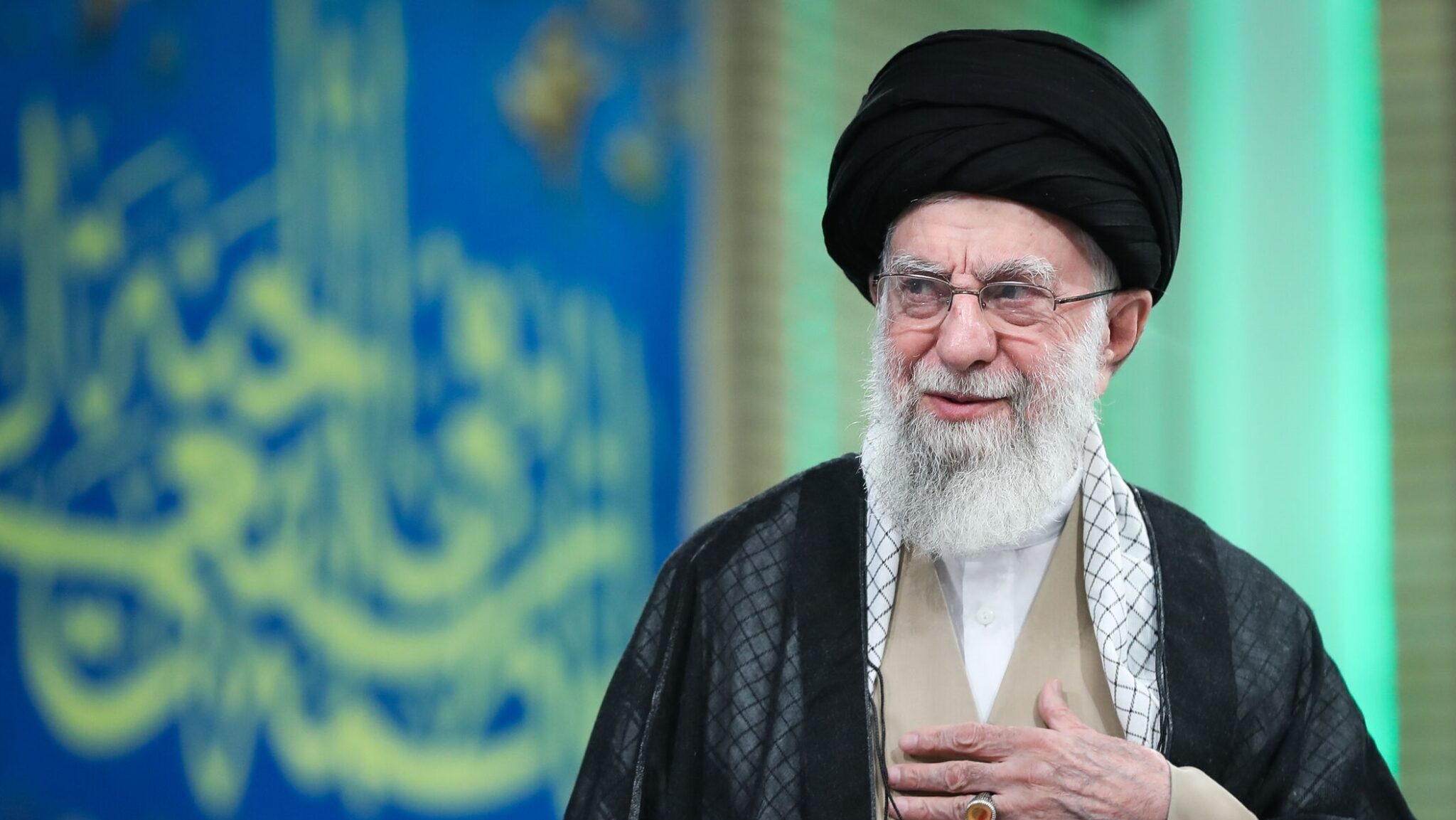
With diminishing influence in the Middle East, Iran eyes Africa as a new frontier to rebuild its network of terror. The regime, unfazed by recent setbacks, has built alliances with groups like Al-Shabaab, leveraging intelligence networks in Sudan to undermine U.S. interests and its ally, Kenya. Leveraging such dynamics, America can counter these threats through meaningful economic partnerships and strategic military actions if necessary.
Economic Initiatives for Long-term Gains
Echoing the strategies from his first term, Trump’s administration focuses on engaging Africa through economic cooperation. By investing in local economies, the U.S. can cultivate new opportunities for African and American citizens alike, while simultaneously curbing adversarial exploitation of the continent’s resources. Major initiatives, including developing the Lobito Corridor and the Nigeria-Morocco gas pipeline, are poised to enrich U.S. and African partnerships and safeguard American interests.
Addressing Youth Unemployment and Terrorism
Africa’s soaring youth unemployment rate, currently at 32.9%, makes it fertile ground for terror recruitment. The lack of job opportunities is a critical driver for many joining groups like Al-Shabaab and Boko Haram. Addressing this issue goes beyond counterterrorism; it’s about disrupting adversarial influences and fostering economic stability.
Building Strategic Alliances
Strengthened collaboration with allies like Kenya, recently elevated to a major non-NATO ally, is essential not only to tackle terror threats but also to lay the groundwork for industrial development. The critical maritime lanes of the Horn of Africa require military oversight to thwart piracy and terrorism, but this should be part of a broader approach emphasizing economic growth and stability.
Conclusion: A New Chapter in Africa
Military efforts, while necessary, aren’t the solitary answer. Through a strategic emphasis on both security and economic development, the Trump administration can pave the way for a transformative partnership with Africa that benefits both the continent and the U.S. It’s an opportunity to reduce adversarial influence while uplifting local economies—a win-win scenario for sustainable growth.