Strategic Partnership Aims to Strengthen U.S. Space Launch Capabilities
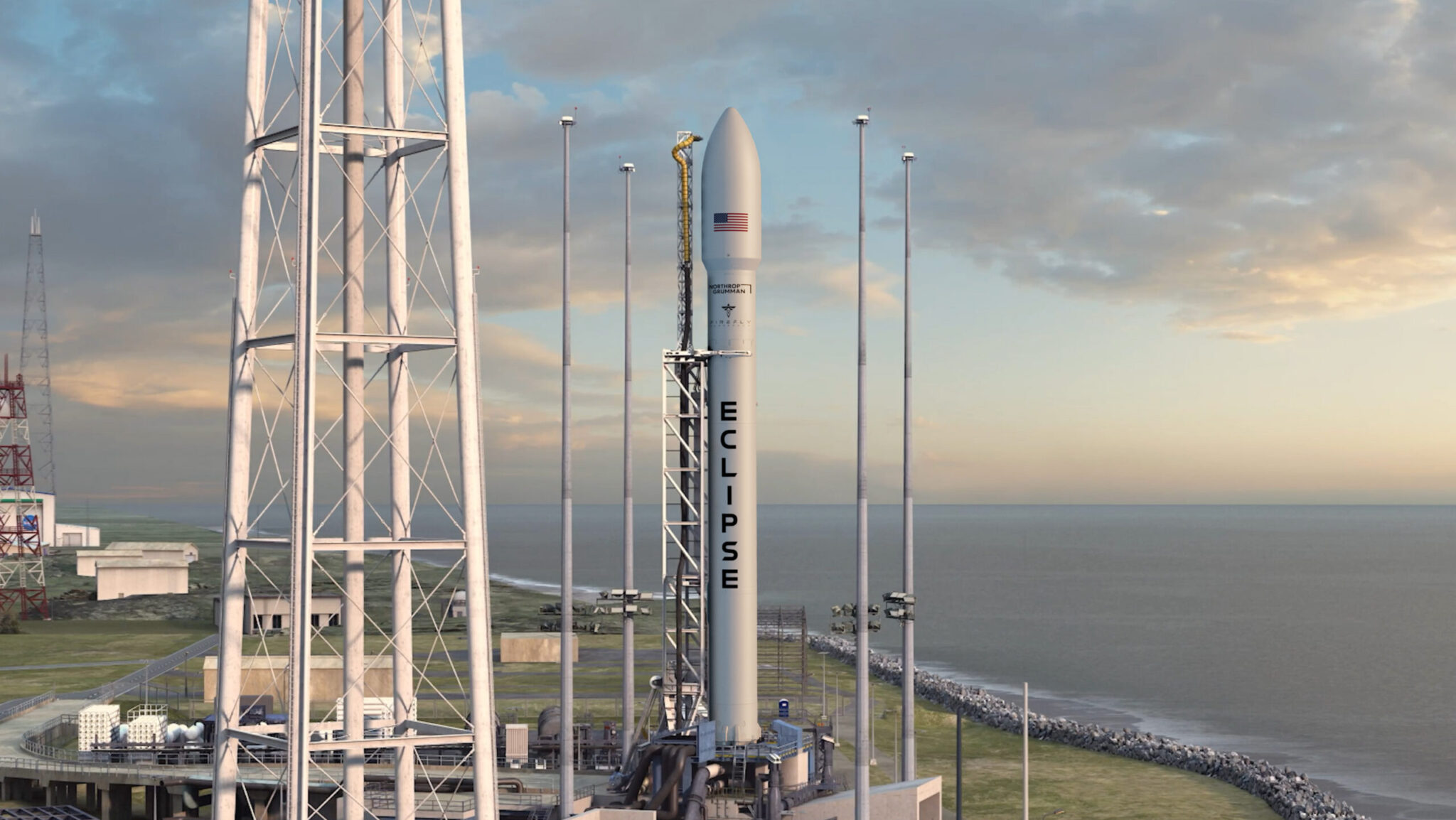
Northrop Grumman is committing $50 million to Firefly Aerospace in a move designed to expedite the joint development of the Antares 330 rocket and the newly renamed Eclipse medium launch vehicle. Firefly announced this substantial investment today, emphasizing its role in advancing national security launch options and commercial spaceflight.
Eclipse: The Next-Generation Launch Vehicle with National Security Potential
Firefly’s Eclipse rocket is positioned as a key contender for the Space Force’s National Security Space Launch Program (NSSL) Phase 3 Lane 1. Initiated in 2023, the NSSL Lane 1 contract focuses on acquiring reliable, less risky launch services for small-to-medium payloads, supporting the military’s broader space ambitions.
Jason Kim, Firefly CEO, highlighted Eclipse’s strategic relevance: “With a 16 metric ton capacity to orbit, Eclipse fits perfectly within NSSL Lane 1’s scope and is an ideal platform for deploying proliferated satellite constellations.”
Supporting a Wide Range of Missions
According to Firefly’s official release, Eclipse is designed to support space station resupply missions, commercial spacecraft launches, critical national security operations, and scientific payload deployments. The rocket aims to carry up to 16,300 kilograms (around 36,000 pounds) of cargo to low Earth orbit (LEO), or 3,200 kilograms (7,055 pounds) to geostationary transfer orbit (GTO). The company plans to conduct flights from Wallops Island, Virginia, potentially as early as 2026.
Wendy Williams, Northrop Grumman Vice President and General Manager for Launch and Missile Defense Systems, stated that this partnership extends Northrop Grumman’s capacity to provide essential space-based communication, observation, and exploration services for civil, government, and national security clients.
Building on a Legacy of Domestic Launch Innovation
The collaboration builds on a partnership formed in 2022, which involved developing the Antares 330, a domestically produced successor to Northrop Grumman’s original Antares rocket. Historically, the legacy Antares relied on Ukrainian first stages and Russian engines, but the new Antares 330 and Eclipse aim to bolster U.S. independence in space launch operations.
Leveraging Firefly’s Proven Technology
Eclipse incorporates elements from Firefly’s Alpha small lift vehicle, used by the Space Force in Victus-series missions under the Tactically Responsive Space (TacRS) program. The vehicle draws on Firefly’s existing hardware, including the same first stage powered by seven Miranda engines.
Furthermore, Eclipse features scaled-up versions of Alpha’s propulsion systems and carbon composite structures, allowing for rapid production and testing with increased efficiencies and cost-effectiveness. This approach aims to accelerate development timelines while maintaining high performance standards.
A Step Forward in U.S. Space Launch Autonomy
This strategic investment underscores Northrop Grumman’s commitment to bolstering domestic launch capabilities, reducing reliance on international suppliers, and enhancing the nation’s space resilience. By partnering closely with Firefly, the DoD and broader satellite deployment efforts are set to benefit from more agile, cost-effective launch solutions tailored for future space missions.