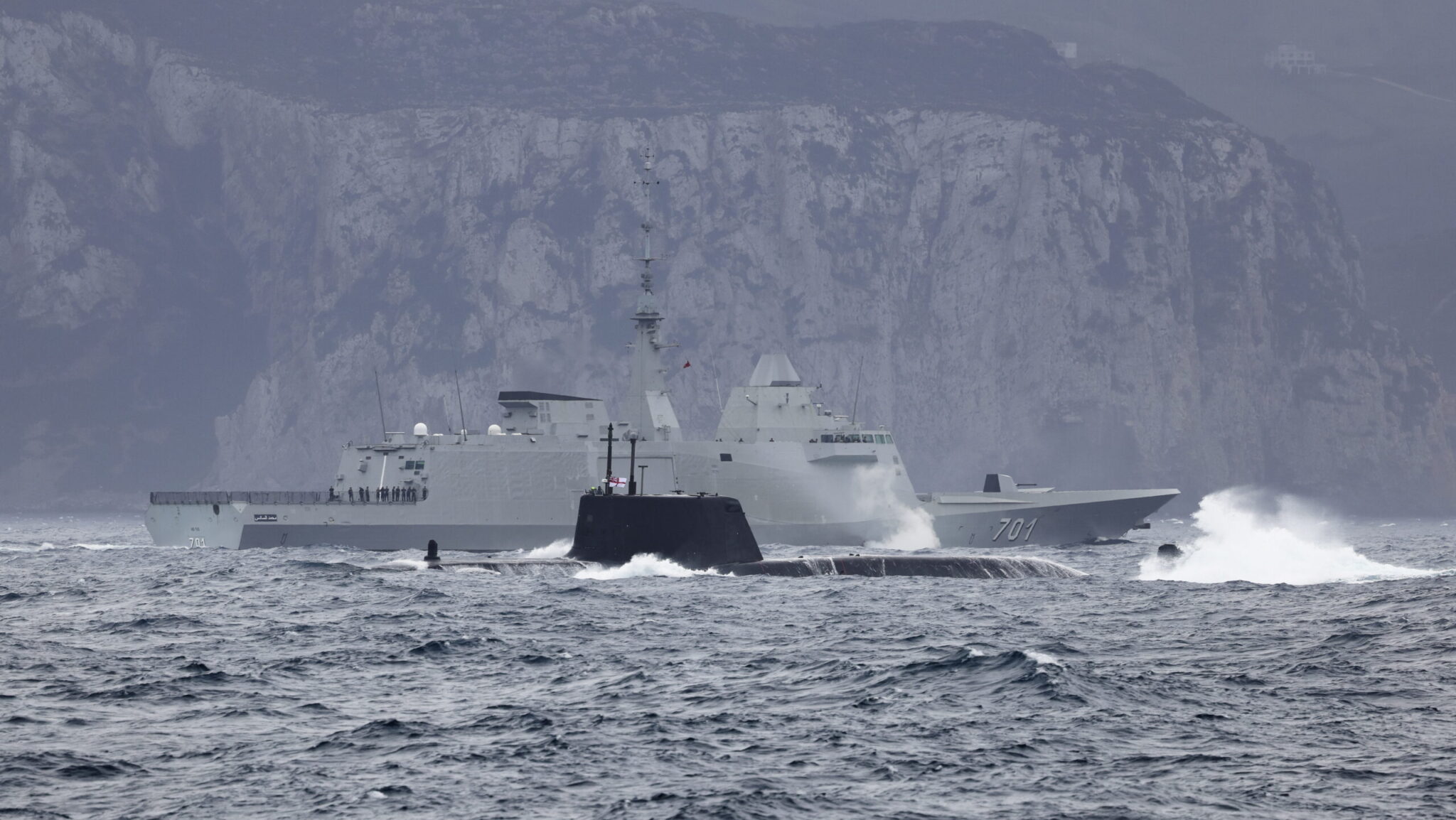
Building up to 12 new SSNs will require substantial industrial expansion, risking high costs and project delays
A Grand Naval Vision Without Clear Costings
The UK government has unveiled an ambitious plan to acquire up to 12 nuclear-powered attack submarines (SSNs) under the trilateral AUKUS partnership. Each vessel is estimated to cost approximately $3.4 billion, but the actual total remains uncertain, with analysts warning that the project could threaten to overwhelm UK’s industrial capacity and budget.
During the UK’s recent Strategic Defence Review, the announcement to replace the current Astute-class fleet with a larger of up to twelve new subs captured attention. Still, specific cost details were absent, leaving many questions about affordability.
Massive Capital Outlay Needed for a High-Stakes Program
UK Defense Minister John Healey acknowledged that exact costs are still being calculated, emphasizing that building the new fleet hinges on „significant extra investment” in industrial capacity. The goal is to deliver the first vessels by the end of the decade, but experts warn that expanding the UK’s submarine manufacturing capabilities will require unprecedented investment.
Nick Childs, senior fellow at the International Institute for Strategic Studies, highlighted the scale of commitment needed: “You would absolutely need substantial investment in Barrow, both in staffing and facilities, to produce these submarines at the required pace.”
Industrial Capacity and Funding Concerns
The UK plans to expand its submarine and nuclear reactor manufacturing at BAE Systems’ facilities in Barrow and Rolls Royce’s Raynesway base. Rolls Royce has already been selected to produce nuclear reactors for the new fleet.
However, defense analysts are skeptical about the feasibility of rapid expansion. Francis Tusa, a UK defense expert, warned that BAE would face financial and logistical hurdles, especially without formal production contracts in place. “Doubling or tripling the size of Barrow and funding the program without contracts is unlikely,” he said, citing shareholders’ reluctance to bear such risks.
BAE Systems has committed significant recent investments, including £1 billion last year, to expand multiple facilities and increase manufacturing capacity for conventional and future technologies. CEO Charles Woodburn emphasized that these investments support not just submarines but also drones and cyber capabilities.
Projected Costs and Potential Budget Pressures
Childs estimates that each SSN in the AUKUS fleet could cost around £2.5 billion ($3.4 billion), significantly more than the £1.6 billion for current Astute-class vessels. The likely total for the full 12-boat fleet could exceed $40 billion, posing a substantial financial challenge.
There are concerns that such a high-cost program may crowd out other defense priorities, even as the UK’s overall defense budget continues to increase. The cost of the submarines might limit funding available for other projects, warns Childs.
Conclusion: A Strategic but Volatile Investment
While the UK’s move to bolster its undersea deterrent capabilities aligns with broader strategic goals, turning this ambitious vision into reality will depend heavily on industrial capacity, sufficient funding, and effective project management. Experts caution that the process of building a fleet of this scale and complexity could face delays and cost overruns, possibly reshaping the future of UK naval modernization efforts.