Potential Delays in Next-Generation Radar Integration Raise Programmatic Concerns
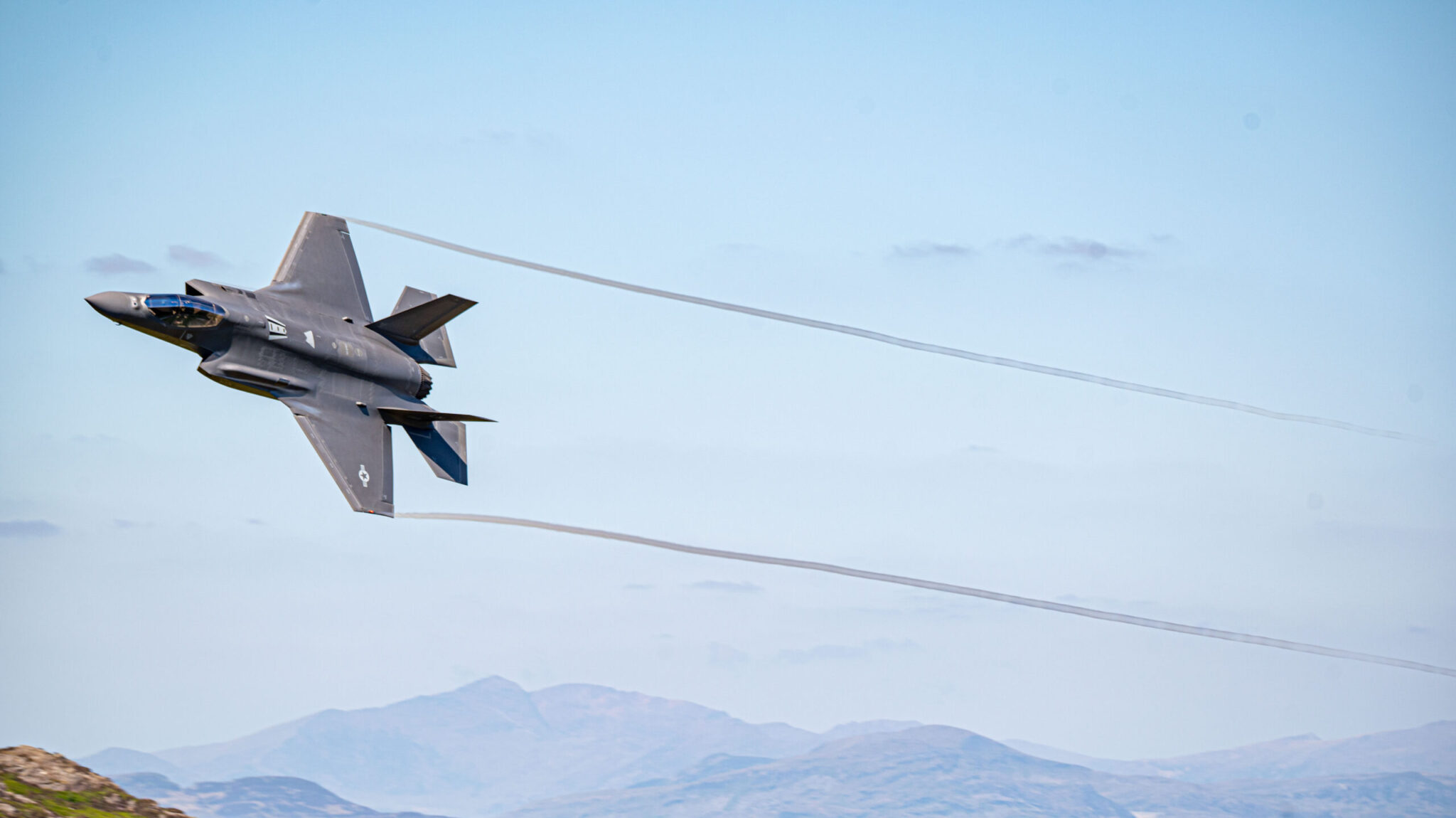
The Pentagon has long asserted that the new radar for the F-35 Lightning II would be ready in time for the Lot 17 aircraft, which began production this year. However, Lockheed Martin, the F-35’s prime contractor, has quietly alerted the Air Force to “risks” that could delay this timeline. In response, Lockheed is exploring workarounds that focus on production starting at Lot 20, according to a confidential letter obtained by Breaking Defense.
Design Flexibility: A Fuselage Capable of Housing Two Radars
To address these uncertainties, Lockheed has proposed redesigning the aircraft’s forward fuselage to support both the existing APG-81 radar and the upcoming APG-85, supplied by Northrop Grumman. The new fuselage design could come into service starting with Lot 20, with a decision targeted for October on which radar to equip the aircraft.
The letter, dated March 21 and addressed to Air Force Chief of Staff Gen. David Allvin, emphasizes that the potential delays in radar development prompted Lockheed to develop “viable options” to ensure production continuity. The redesigned fuselage aims to create a “common long-lead structure” that would expedite manufacturing and reduce the risk of future delays.
Unclear Causes and Forward-Looking Strategies
The letter does not specify whether the delay stems from technical design issues or supply chain challenges, nor does it clarify the fate of radars destined for Lot 17, 18, or 19. Stakeholders declined to comment further.
Analyst JJ Gertler from Teal Group suggests that if the APG-85 isn’t ready in time for Lot 17, it could still be integrated into the aircraft before Lot 20. Alternatively, Lot 20 might simply be the first configuration where customers can choose between the APG-81 and APG-85.
Mitigation Measures for Program Delays
A senior congressional staffer told Breaking Defense that if the radar isn’t ready on time, options could include holding aircraft at the production line—similar to recent delays with other upgrade programs—or delivering jets first and installing the radar later. Given the complexity of AESA technology and the tight integration with the aircraft’s sensors and mission systems, delivering an operational radar within such a short timeframe presents significant challenges.
Workarounds and Procurement Strategies
Lockheed’s letter reveals that the company has already initiated the early procurement of 69 APG-81 radars, with Northrop contributing about 25% of the investment. This “advance procurement” serves as a hedge against potential delays in APG-85 production, ensuring available spare parts and maintaining production momentum.
Variability in Radars among International Customers
According to the correspondence, not all international partners have committed to the APG-85 yet. Lockheed suggests that if the fuselage redesign is extended to all partners and Foreign Military Sales (FMS) customers, a common structure can be used across variants, simplifying future retrofits. This strategy could also provide more flexibility for foreign customers to choose between radars without extensive aircraft modifications.
Uncertainties and Programmatic Impact
Gertler noted that the fuselage redesign might also extend to the aircraft’s external shape—potentially affecting stealth signature verification—which could entail additional testing. The situation underscores the ongoing tensions within the program, which has faced multiple delays and continues to balance technical, schedule, and integration risks.
The fact that CEO Jim Taiclet personally addressed the issue in a letter indicates the seriousness of the potential hiccup. As the program advances, these challenges highlight the complexity of rapidly upgrading such a sophisticated stealth fighter, which remains crucial for U.S. and allied air dominance.