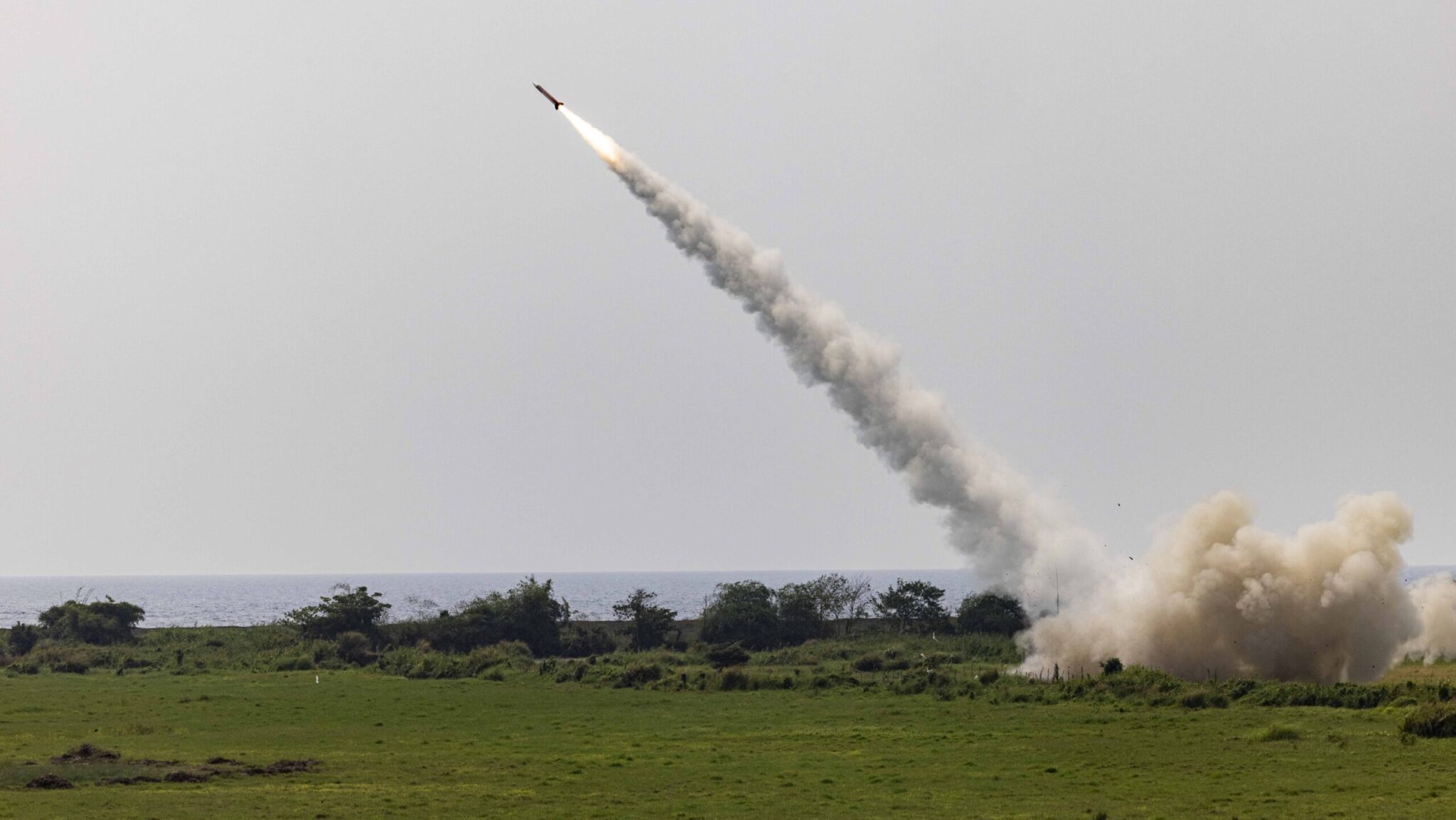
Ground-Based Missiles and Munitions Ramp Up Amid War in Ukraine
Driven by the ongoing conflict in Ukraine, Lockheed Martin is rapidly scaling up its production of essential ground-based missile launchers and munitions, while aggressively exploring opportunities to expand manufacturing footprint across Europe. The goal: to keep pace with soaring demand and bolster supply chain resilience.
Strategic Shift Toward International Manufacturing
Paula Hartley, vice president and general manager of tactical missiles at Lockheed’s Missiles and Fire Control division, shared with reporters that the company is actively looking to expand its manufacturing presence across Europe. “We are exploring opportunities across the entire portfolio,” she explained. “As demand increases, we see the value and benefits of developing international supply chains and facilities to support fielding and sustainment efforts.”
Alongside Hartley, Jason Reynolds, vice president and general manager of integrated air and missile defense, noted Lockheed’s recent efforts to bolster production outside the U.S. on multiple fronts.
Broader European Production Initiatives
Reynolds revealed discussions are underway to establish European production of the Patriot PAC-3 missile, creating a third manufacturing site outside of the U.S. and Japan. As part of this effort, the U.S. Army is seeking a second source for the missile’s seeker—currently produced solely by Boeing—a major chokepoint identified in previous reports.
Hartley emphasized the company’s collaborations in the UK and Poland, where manufacturing for the Guided Multiple Launch Rocket System (GMLRS) family of munitions is ramping up to 14,000 units annually. Poland has committed to producing the Javelin anti-tank missile domestically, and Lockheed is seeking to expand Javelin production in the UK, already an established supplier.
Production Surge to Meet Global Demand
Hartley explained that the current manufacturing surge expects to produce roughly 40% more weapons across Lockheed’s portfolio between 2024 and 2025 alone. For example, the annual production of the PAC-3 missile has increased from 300 to an anticipated 650 units by 2027, with potential for even higher numbers later. Similarly, the production of HIMARS (High Mobility Artillery Rocket System) has doubled from 48 to 96 units per year, with plans to surpass that volume.
In a strategic move, Hartley said Lockheed is now producing HIMARS units ahead of contractual obligations, building inventory in advance to ensure rapid deployment and facilitate better training for customers.
Innovations in Weapon Modernization and Cost Savings
Lockheed is also integrating new features into its weapons systems to boost battlefield versatility and reduce costs. Reynolds highlighted advances in guidance technology that enable operators to steer missiles via data links, with no need for expensive seekers in each missile. For example, an F-35 can hold custody of a target and feed targeting information directly to a missile, offering tactical flexibility and cost efficiency.
Maintaining Capabilities Against Evolving Threats
Reynolds stressed that even as the industry pushes for more economical interceptors, multiple layers of defense will remain necessary. “You’ll always need systems like PAC-3,” he said, citing the threat of sophisticated Russian offensive weapons used in Ukraine, which demonstrate that traditional missile defense plays a critical role in modern conflict scenarios.
Global Focus on Defense Supply Security
Overall, Lockheed Martin’s intensified production efforts and international partnerships aim to ensure the rapid availability of advanced missile systems amid ongoing geopolitical tensions, reinforcing the alliance’s battlefield readiness and strategic resilience.