Strategic Investment in Medium-Range Missile Systems and Infrastructure to Counter Regional Threats
Sweden has initiated a substantial upgrade to its air defense capabilities aimed at strengthening security in the Baltic Sea region. The effort encompasses the acquisition of medium- and short-range missile systems, advanced radars, command infrastructure, and vehicle platforms, signaling a clear intent to bolster NATO’s eastern flank amidst growing regional tensions.
German-Swedish Collaboration and the IRIS-T SLM Deal
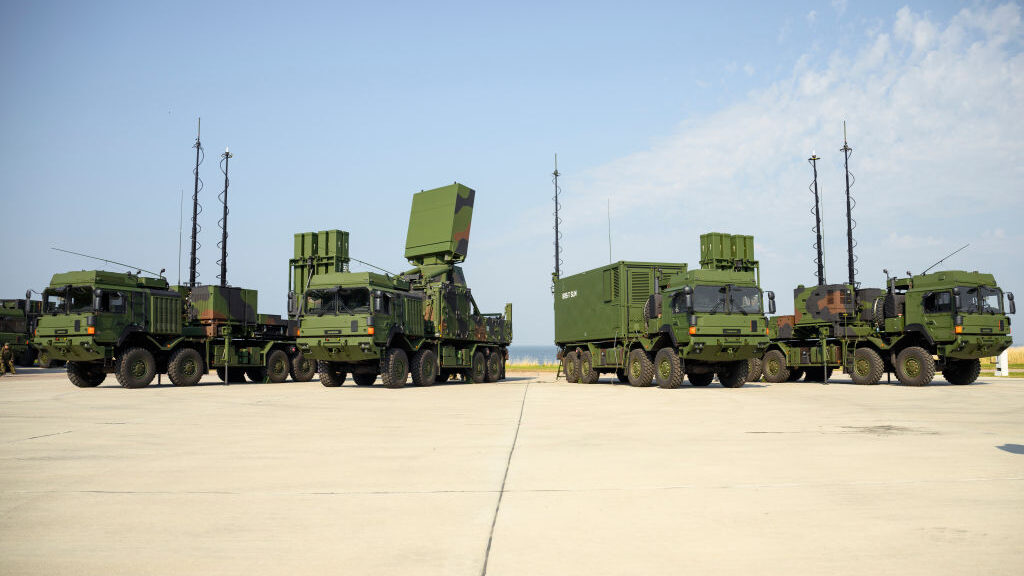
A key milestone was achieved Tuesday when a German authority finalized an agreement with the German defense contractor Diehl for the procurement of seven IRIS-T SLM (Surface-Launched Medium-range) air defense systems, on behalf of Sweden. This contract, valued at approximately SEK 9 billion (around $900 million), was announced at a Monday press briefing by the Swedish government and is part of the broader European Sky Shield Initiative (ESSI), which aims to develop a robust, multi-layered European air defense network.
The procurement will support Swedish army brigades and the strategic battle group on Gotland—a pivotal location in the Baltic Sea that underpins Sweden’s efforts to counter Russia’s anti-access strategies. The island’s geographical proximity to Russian Kaliningrad, home to Iskander and Kalibr missiles, underscores its strategic importance.
Lessons from Ukraine and Regional Deterrence
Prime Minister Ulf Kristersson highlighted the IRIS-T system’s proven effectiveness in Ukraine, citing it as a major factor influencing Sweden’s decision. “One of many lessons we are bringing home from Ukraine,” he stated. The IRIS-T missile system is already employed by Germany, Estonia, Latvia, Slovenia, and Bulgaria, underscoring its proven track record across European and NATO nations.
Each IRIS-T SLM unit includes multifunction radar vehicles, command and control systems, two missile launchers, and ancillary support vehicles, totaling 49 vehicles in the order. The deployment of these systems is scheduled for delivery by mid-2028, with full operational capability expected by 2030. Prime Minister Kristersson emphasized that this upgraded missile technology complements existing Swedish assets, such as the Gripen fighter jets, but offers a medium-range capability tailored for regional defense.
Enhancing NATO and European Missile Defense Integration
The European Sky Shield Initiative — led by Germany — aims to create an integrated, layered missile defense shield across Europe, enhancing NATO’s deterrence posture. The IRIS-T SLM will serve as the cornerstone medium-range system within this architecture, alongside long-range systems like the US-produced Patriot and Israel’s Arrow 3.
Sweden’s previous acquisitions included Patriot missile systems delivered in 2021 and 2022, and the new procurement signifies an ongoing commitment to improve both land-based and maritime air defenses. Swedish Navy’s Visby corvettes and the upcoming Luleå class frigates are also expected to benefit from enhanced missile and sensor capabilities, reinforcing multi-domain deterrence.
Broader NATO Context and Continued Growth
Defense Minister Pål Jonson stressed, “It is by no means a final endpoint. More will need to be done,” acknowledging that regional security challenges require persistent adaptation and investment. NATO Secretary General Mark Rutte has recently emphasized the urgency of expanding air defense capacity by 400 percent to effectively deter threats and safeguard allied interests across Europe.
This commitment from Sweden and its NATO partners signals a strategic move to bolster resilience, deter aggression, and ensure control of the skies over the Baltic Sea amid rising regional tensions.