Shift Toward Space-Based Capabilities
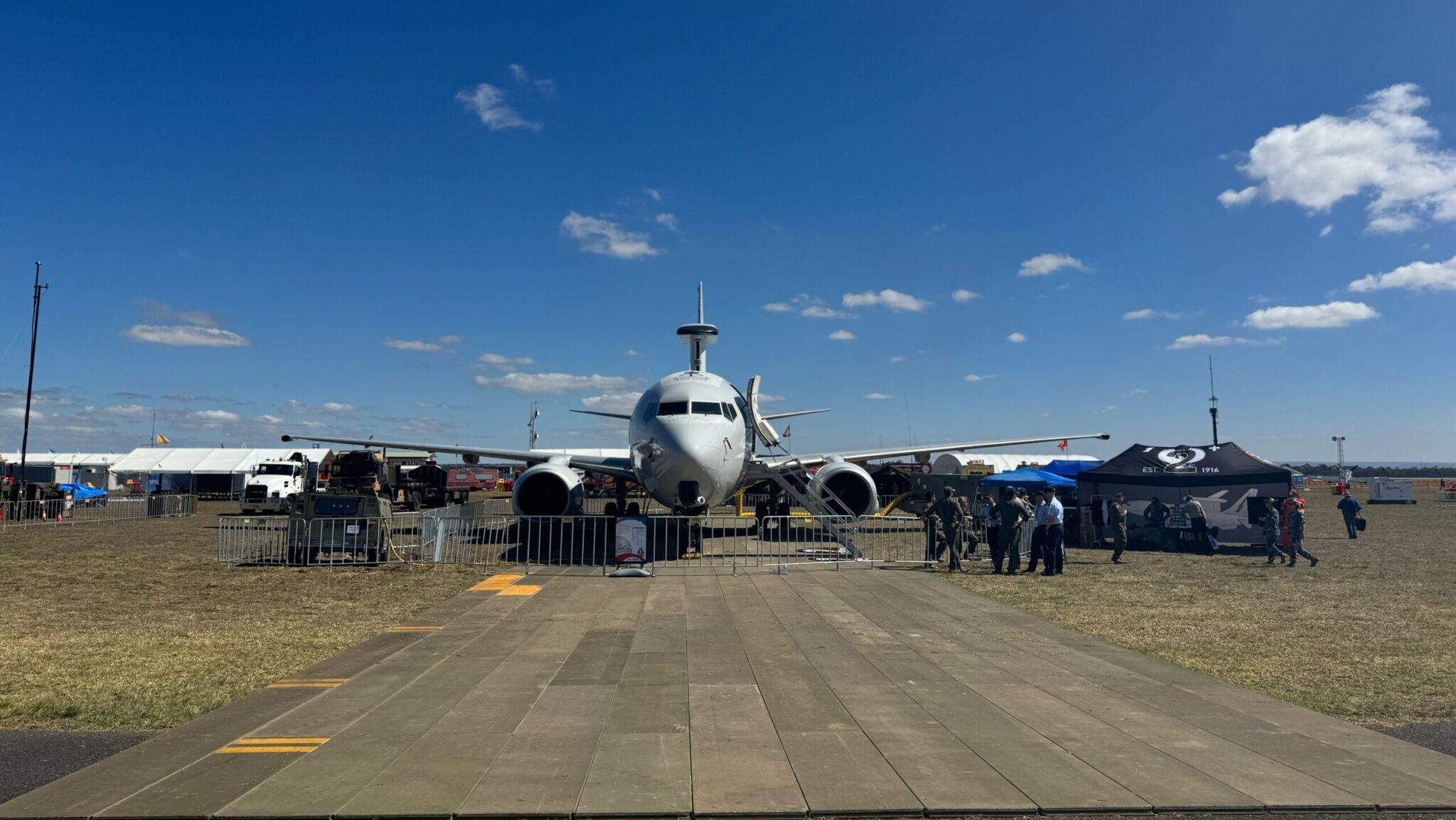
The U.S. Air Force has officially canceled the E-7 Wedgetail program, citing soaring costs and doubts about the platform’s survivability in contested environments. The decision was announced during the release of the fiscal 2026 budget, signaling a strategic pivot toward space-based intelligence, surveillance, and reconnaissance (ISR) systems.
Why the Cancellation?
The senior military official explained that the program’s costs have increased from an initial $588 million to $724 million per aircraft, and concerns about the aircraft’s ability to survive in high-threat zones have grown. “While the E-7 is a “great platform,” it no longer aligns with the department’s goal of achieving global sensing through space,” the official said.
The department is prioritizing investments in satellite-based sensor networks, such as those supporting the Golden Dome initiative, which would provide broad coverage for homeland defense, the Indo-Pacific region, and across the globe. Officials believe that expanding space-based capabilities could deliver faster, more comprehensive sensing solutions than the E-7 platform.
Background and Budget Context
The Air Force had previously awarded Boeing $2.6 billion for two Wedgetail prototypes, planning to replace aging E-3 AWACS aircraft with a total of 26 units, with the first delivery scheduled for FY28. However, detailed budget documents now show a request of roughly $200 million for research and development to close out the program.
During a Senate hearing, some lawmakers voiced concerns. Senator Lisa Murkowski questioned whether the E-2D could truly match the E-7’s capabilities, noting that space-based sensors are unlikely to be operational before the early 2030s. She emphasized the need for more justification for canceling a “critical program.”
Leadership Response and Future Outlook
Air Force Chief of Staff Gen. David Allvin acknowledged that the decision was “difficult,” but ultimately made by the Department of Defense. Gen. Chance Saltzman, Chief of Space Operations, highlighted promising early results from space sensor technology and projected that by the early 2030s, operational space-based capabilities could begin to fulfill many of the same missions.
Guetlein’s earlier estimates suggest that a fully operational space-based sensing system might not be ready until the early 2030s, aligning with the department’s strategic shift from conventional aircraft toward space assets.
Broader Force Restructuring and Fleet Reductions
The cancellation of the Wedgetail is part of a broader shotgun approach to aircraft divestment in FY26, aimed at reallocating funds to next-generation capabilities. Notably, the Air Force plans to retire all 162 remaining A-10 Warthog aircraft, a move that could spark controversy given lawmakers’ historical support for the close-air support platform.
Other retirements include 62 F-16s, 14 C-130Hs, 3 EC-130Hs, and a variety of support aircraft, totaling 340 aircraft slated for retirement in FY26. The service also continues to divest older models of F-22s and last of the EC-130Hs, focusing on modernizing and streamlining its fleet for future conflicts.