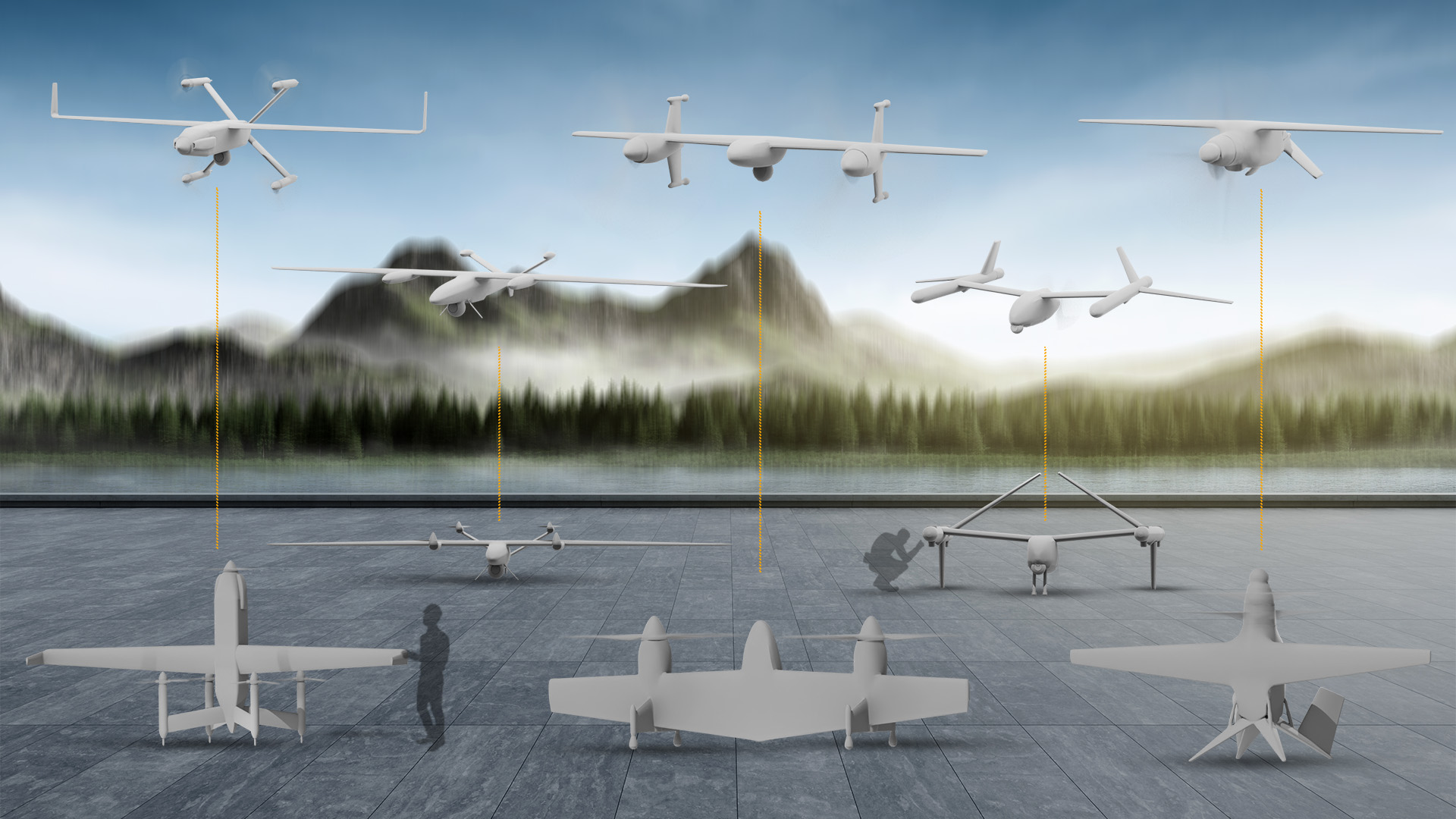
Strategic Change to Accelerate Fielding
The Defense Advanced Research Projects Agency (DARPA) is steering its experimental shipborne unmanned aerial system program toward a faster deployment timeline, prioritizing quick fielding over extensive development. The program, originally called AdvaNced AirCraft Infrastructure-Less Launch And RecoverY (ANCILLARY), is now refocusing its efforts to deliver operational drones to the military by late 2025 or early 2026.
From Long-Term Tests to Rapid Results
Launched in 2022, ANCILLARY aimed to develop a compact, ship-compatible UAS capable of being launched and recovered from U.S. Navy vessels, with initial flight tests targeted for 2026. However, due to unforeseen challenges, including Navy barriers to shipboard testing, DARPA has shifted to the related effort called Early VTOL Aircraft DEmonstration (EVADE). This initiative involves five different contractors—AeroVironment, Griffon Aerospace, Karem Aircraft, Method Aeronautics, and Sikorsky—to develop smaller, more rapidly deployable drones tailored for logistics, communication, reconnaissance, and weapons payloads.
Focusing on Rapid Capabilities
DARPA’s program manager, Phillip Smith, explained that the delay was partly because the Navy withdrew from participating in shipboard testing. In response, DARPA is using EVADE as a pathway to achieve a minimally capable drone solution within an accelerated timeline, aiming to deliver usable systems roughly three months earlier than initially planned.
The primary goal is to provide operational UAVs that weigh no more than 330 pounds (approximately 150 kilograms). This weight limit is critical because current Pentagon policies often restrict drone operation to personnel with limited aviation qualifications, reducing training and maintenance costs.
Implications of Policy Changes
Smith revealed that the Pentagon is considering a policy shift to enable operators to fly drones up to 330 pounds with fewer qualifications, potentially reducing costs for Navy and Marine Corps units. This would lower the barrier for operational deployment, allowing more units to field these systems efficiently.
Operational Goals and Future Outlook
Although DARPA’s original plan aimed to have a fully operational drone system within 11 months—by July 2025—the delays have pushed the expected transition date to late 2025 or October 2026. This approach exemplifies a broader move within the Department of Defense to adopt „quick-reaction” prototypes that aim to meet urgent operational needs faster, even if they are not perfect.
Smith emphasized that by early „missionizing” or tailoring these drones, DARPA is engaging with operational requirements much earlier than in traditional programs—potentially transforming how rapidly the military can field new autonomous systems at sea.