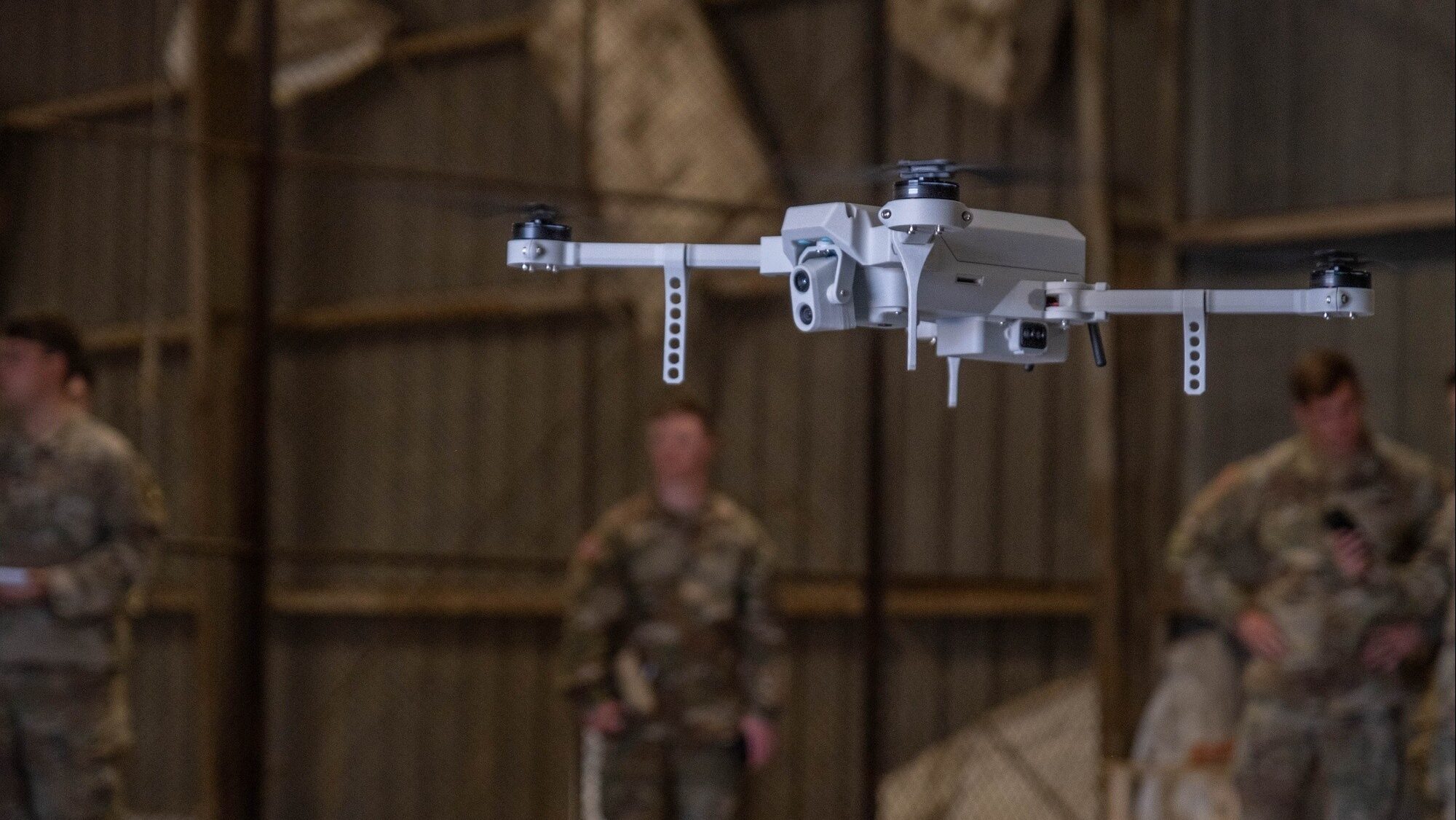
During exercise Combined Resolve 25-02, the US Army experimented with 3D-printed drones near the front lines, aiming to determine the feasibility and optimal approach for producing these UAS in active combat scenarios.
Battlefield Utility Confirmed
The exercise, held in Hohenfels, Germany, involved both sides deploying small drones, echoing their transformative impact in recent conflicts. Lt. Col. Dan Huff, commander of the opposing force (OpFor), noted the cost-effectiveness and agility gained by in-house drone production, reducing reliance on commercial off-the-shelf options.
Balancing 3D Printing on the Front Lines
A key finding was the need to strike a balance between on-site 3D printing and centralized production. Col. Nick Ryan, director of Army Capability Manager for Unmanned Aircraft Systems, questioned the practicality of brigades carrying 3D printers in combat due to mobility and targeting concerns.
Potential Solution: Forward Assembly
Ryan proposed a hybrid approach where Army Material Command mass-produces drone bodies, which are then delivered to drone maintainers with 3D printers closer to the front lines for assembly and deployment to brigade combat teams. This would allow soldiers to fly „cheap assembled drones” in combat.
Real-World Implementation
OpFor soldiers in the exercise used 3D printers at the battalion headquarters to produce one-way attack drones, with parts and/or assembled drones moved forward by logistics convoys. Similarly, the 1st Armored Brigade Combat Team, 3rd Infantry Division, transformed its RQ-7B Shadow platoon into an FPV platoon using a mix of commercial and 3D-printed drones.
Further Development Needed
Col. Timothy Gatlin, 3rd ID’s deputy commanding officer for maneuver, acknowledged the need for further refinement in the use of 3D printers in combat. The 3rd ID plans to continue testing and refining the setup during fiscal year 2026.