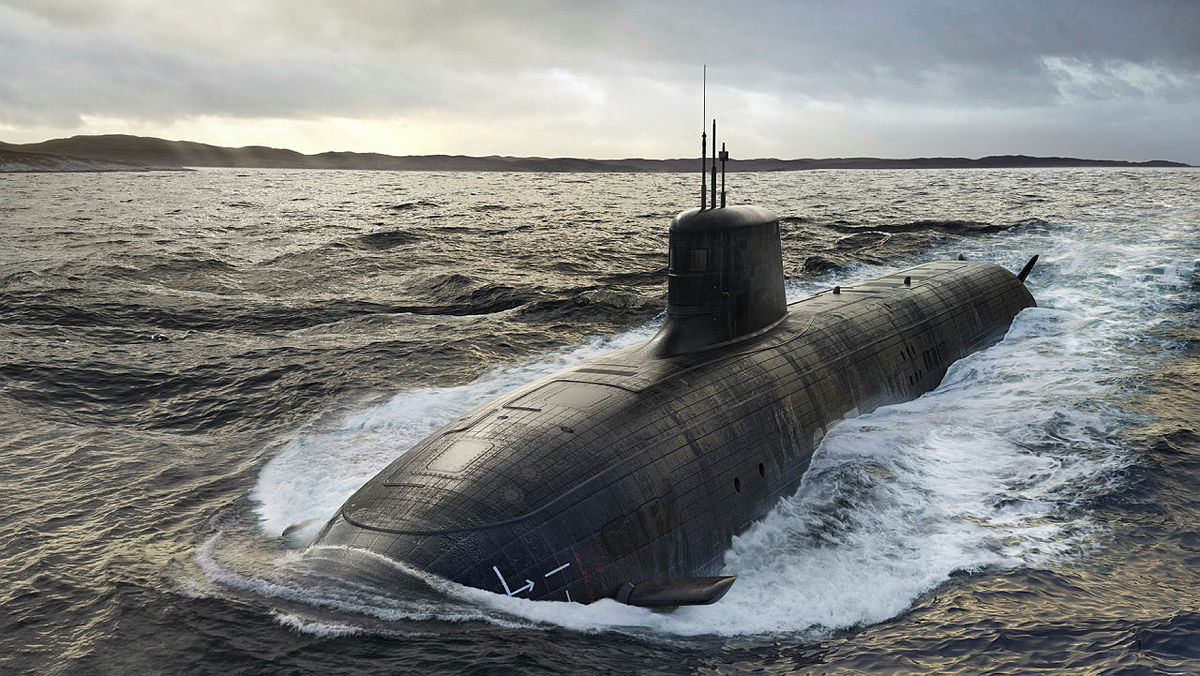
President Trump’s tariffs and demands for increased defense spending are causing unease among Australia’s foreign policy experts, leading them to question the reliability of the U.S. and the viability of the AUKUS submarine program.
Unpredictability Fuels Skepticism
The Trump administration’s unpredictability in trade and defense policies has raised concerns in Australia, Japan, Vietnam, and other Pacific powers. Demands for Australia to increase defense spending to 3.5% of GDP, coupled with reports that the U.S. is considering requiring Australia to commit to defending Taiwan as part of AUKUS, have further fueled skepticism.
Government Response
While Australian Defense Minister Richard Marles remains optimistic about AUKUS, and Prime Minister Anthony Albanese has reiterated Australia’s policy on Taiwan, influential voices are calling for a reexamination of the AUKUS agreement.
Calls for Reassessment
Andrew O’Neil argued that locking in a future government to commit forces to a potential war is „ludicrous.” He also suggested that such demands may backfire, pushing Australia to assert its sovereignty and avoid being seen as kowtowing to Washington.
A Former Diplomat Speaks Out
Peter Varghese argued that Trump’s „naked transactionalism” serves as a reminder that the U.S. acts in its own interests, which may not always align with guaranteeing an ally’s security. He advocated for increased Australian defense spending to enhance self-sufficiency.
End of the Salad Days
Varghese argued that China’s economic and military rise, combined with the Trump administration’s actions, require Australia to recognize that „the salad days of Australian foreign policy are over.” He cautioned that the $240 billion USD AUKUS program „distorts” the conventional military Australia should build.
Extraordinary Demands
John Blaxland described the U.S. demands as unprecedented and unhelpful, potentially leading Prime Minister Albanese to push back against Washington.
AUKUS as an Affront
Albert Palazzo argued that the AUKUS review should be welcomed as an opportunity to scrap the agreement and reduce dependency on the U.S., asserting that „AUKUS remains an affront to Australian sovereignty.”
Counterarguments
Jennifer Parker argued that abandoning AUKUS would be reckless and that a capable navy centered on nuclear-powered submarines is crucial for Australia’s security and economy.
A Slow Fuse
Ian Langford warned that clinging to AUKUS without confronting the risks it exposes would be a strategic mistake, especially given the accelerating risk of major power conflict in the Indo-Pacific.
Public Opinion
Despite the debate among elites, public support for AUKUS remains solid, although recent events may shift public sentiment.
Conclusion
The recent moves by the United States have underscored the perils of the current strategic situation, prompting a reassessment of AUKUS and Australia’s relationship with the U.S.