The United States faces a pivotal moment in hypersonic weapons development. After years of bureaucratic delays and shifting priorities, the Air Force is nearing deployment of two tactical hypersonic systems, each poised to reshape the strategic landscape in the Pacific.
A Critical Enabler
Hypersonic weapons are crucial for the distributed force strategy implemented by Indo-Pacific Command. As military planners grapple with deterring Chinese aggression while maintaining a presence across vast distances, rapid strike capabilities become essential.
The Need for Speed
„If I can take a weapon that does everything that a Tomahawk does, same range, same package, but instead of flying at Mach 0.7 it flies at Mach 7, why wouldn’t I want that?” said Dr. Mark Lewis, a leading expert in hypersonics.
Complicating Chinese Planning
China’s advantage lies in its ability to quickly mass forces. Hypersonic weapons deployed throughout the Pacific complicate Chinese planning by threatening rapid strikes against naval forces, buying time for American and allied forces to achieve optimal positioning.
Cautious Validation vs. Rapid Fielding
A recent DOT&E report highlighted concerns about assessing the operational effectiveness of Air Force efforts. However, strategic realities necessitate a parallel approach: cautious validation hand-in-hand with rapid, iterative fielding to maintain US technological and deterrent leadership.
Two Weapons on the Brink
The Air Force has two weapons nearing deployment: the ARRW (Air-launched Rapid Response Weapon) and the HACM (Hypersonic Attack Cruise Missile).
ARRW: Exceeding Expectations
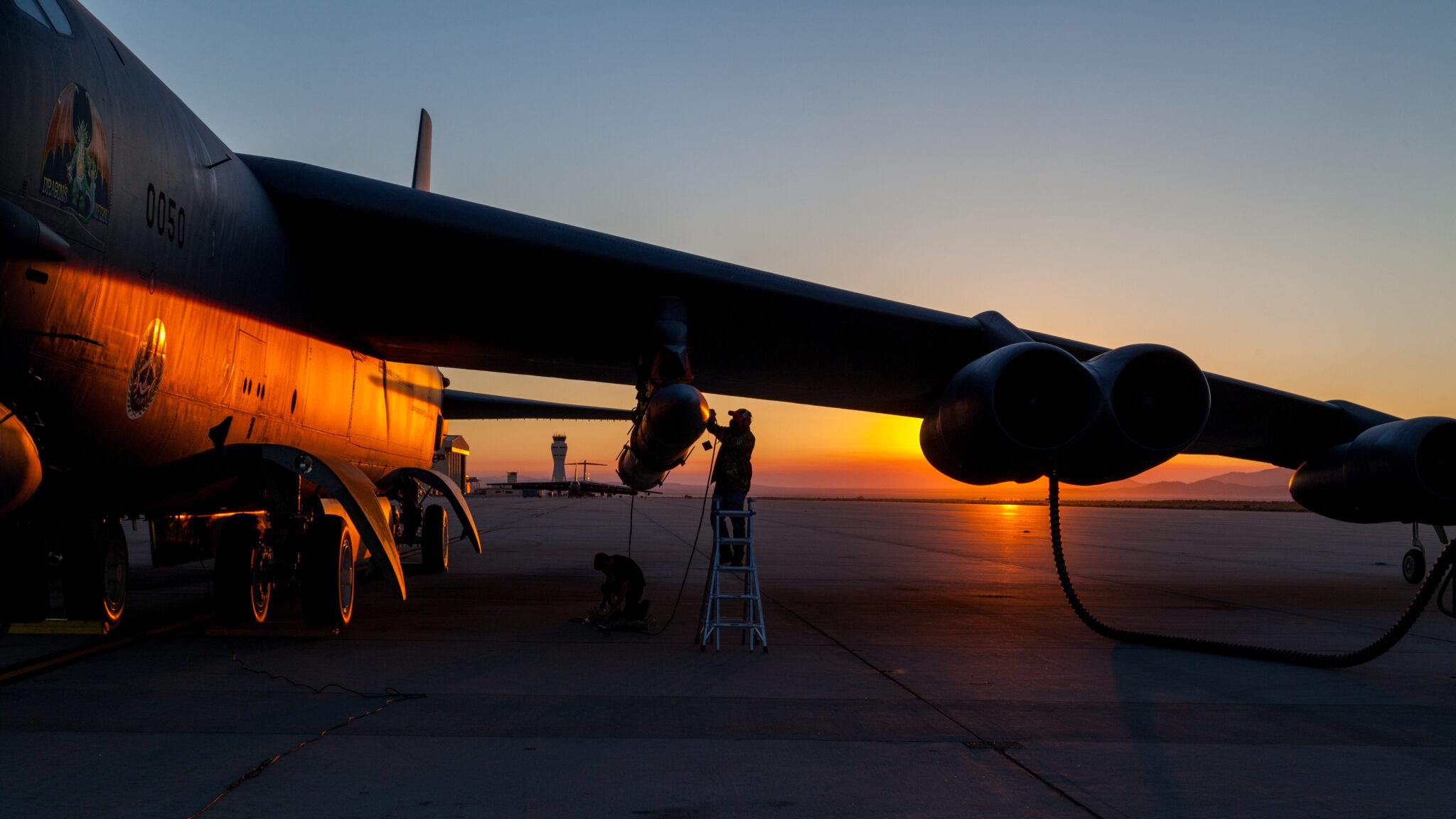
The Lockheed Martin-developed ARRW, a tactical boost-glide system, has passed tests and exceeded expectations. It can be mounted on B-52 bombers, with four missiles per aircraft.
HACM: Packaging Advantages
The Raytheon-developed HACM, an air-breathing cruise missile, offers exceptional packaging advantages and can integrate with multiple aircraft, including F-15s and strategic bombers. A B-2 might carry up to 15 hypersonic cruise missiles, while a B-52 could carry even more.
A Circuitous Path
Despite the maturing technology, the path to deployment has been frustratingly slow. A 2020 Pentagon plan received initial support, but a change in administration brought new skepticism.
Dithering Delays
„In some ways, we seem to have fallen further behind our adversaries than we were four years previously,” Lewis said, citing the impact of delays.
A Shift in Course
The Air Force has now publicly committed to ARRW deployment, reflecting growing recognition that hypersonic capabilities cannot remain in development while adversaries field operational systems.
From Laboratory to Reality
American hypersonic weapons must transition from laboratory curiosities to operational realities to achieve a similar psychological impact.
Credible Deterrence
Deterrence requires credible, visible capabilities. Deployed systems, operated by trained crews, send unmistakable signals about American resolve.
Accelerate Deployment
The immediate priority should be accelerating deployment of existing systems rather than pursuing perfect solutions. Initial deployments will provide valuable operational experience while demonstrating American commitment to maintaining Pacific security.
The „Fight Tonight” Force
Hypersonic weapons offer immediate enhancement of existing strategies, complementing distributed operations and providing prompt strike options.
Allied Cooperation
Cooperation with Australia through the SCIF program and Northrop Grumman’s collaboration with the Japanese Ministry of Defense on hypersonic defense technology demonstrate allied interest and commitment.
A Narrowing Window
The window for effective deterrence may be narrowing. Chinese military modernization continues at pace, while American advantage in key technologies risks erosion.
The Will to Act
Success requires operational deployment, allied integration, and strategic communication that hypersonic weapons represent an unwavering commitment to Pacific security. The weapons are ready, the strategy is clear. What remains is the will to act.