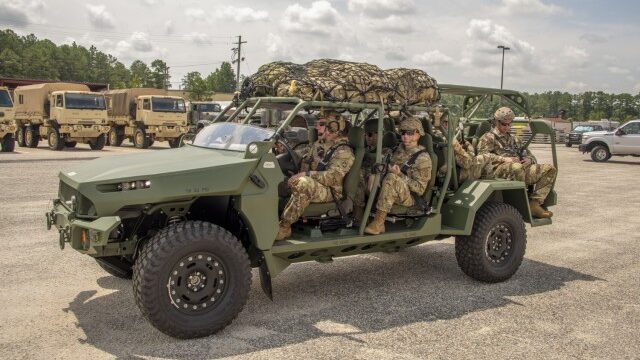
The Army is considering significant changes to its program for adding autonomous navigation to Infantry Support Vehicles (ISVs). These changes could involve removing the ISVs altogether and allowing industry to provide alternative platforms for hosting the software, according to a senior defense official and an industry official. The service may also expand the program to include new industry players.
Focus on Mission Autonomy
The senior official stated that the revamped Unmanned Systems (UxS) autonomy initiative „is changing for sure.” The focus will shift to „mission autonomy,” allowing companies to bring in the best robots rather than attempting to automate more ISVs.
Confirmed Pivot
An industry source close to the program confirmed that Army officials in Detroit stated they were pivoting away from the ISV. The program is currently in a holding pattern pending new acquisition guidance.
Rationale for Change
Neither the defense official nor the industry source provided a specific rationale for the change. However, a second industry official cited potential challenges with the initial plan, including underlying deficiencies that make the ISV unsuitable for unmanned operation, potential safety risks, and the low price point of the UxS contract awards.
Existing Contractors Proceed
Forterra, Overland AI, and Scout AI, who were tapped in late August to integrate their commercial autonomy solutions onto existing ISVs, will proceed with the revamped initiative. The service plans to „make room” for additional entrants.
Challenges with Ground Robots
The UxS shakeup comes as the Army grapples with how to field a fleet of ground robots. After multiple false starts with the Robotic Combat Vehicle, the Army opted not to proceed with a new RCV contract with Textron Systems, redirecting funds to higher priorities. The service released new details about another attempt, capping the per-unit cost at $650,000.
Other Autonomy Initiatives
In addition to UGCRV and UxS, the Army has other autonomy initiatives underway, including a potential deal to integrate commercial solutions into two platoons of ground robots under its Human Machine Integrated Formation initiative, and plans to create an autonomous launcher under the Common Autonomous Multi-Domain Launcher (CAML) umbrella.