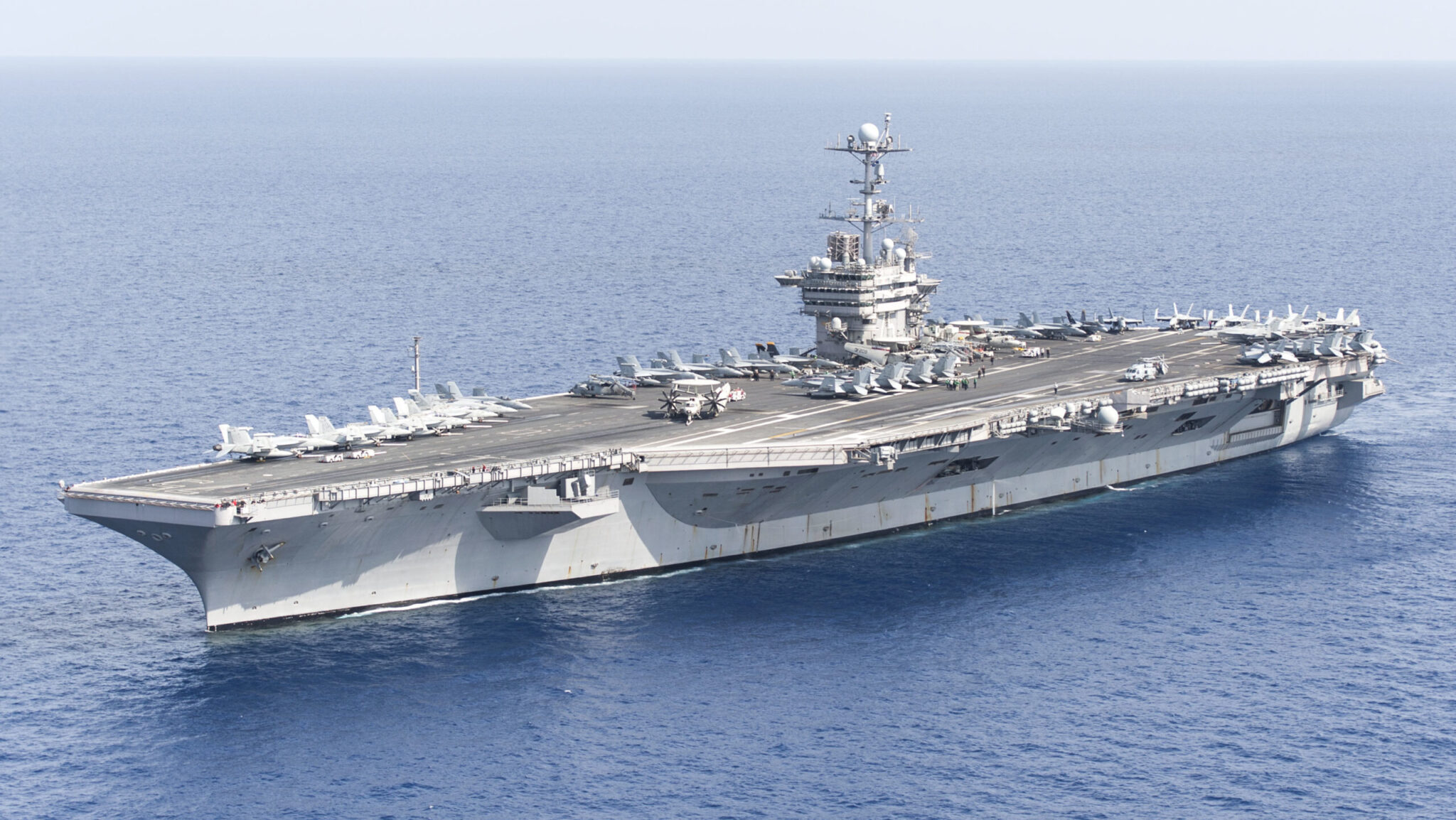
A series of internal investigations has cast a harsh light on severe deficiencies during the recent deployment of the Harry S. Truman carrier strike group. The findings, now publicly available, point to a dangerous combination of inadequate training and subpar performance from both ship crews and their commanders. Amidst extreme pressure and a high operational tempo, while countering Houthi rebel attacks in and around the Red Sea, a troubling picture of judgment errors and communication failures emerges.
Shocking Incidents: From Friendly Fire to Dangerous Collisions
The reports detail a string of serious incidents that jeopardized lives and caused significant material damage. These include a December 22 event where the cruiser Gettysburg (CG-64) fired missiles at what were believed to be friendly F/A-18 aircraft. On February 12, the aircraft carrier Harry Truman was involved in a collision with the commercial vessel Besiktas-M. Later in the spring, two F/A-18s plummeted into the ocean. Although sailors sustained injuries from these mishaps, thankfully no fatalities occurred.
Friendly Fire: An „Unreasonable and Imprudent” Decision
The December 22 incident involving the cruiser Gettysburg was investigated with utmost rigor. The crew, at all hierarchical levels, was found culpable for failing to spot red flags and voice concerns, as well as for their over-reliance on the accuracy of information provided by the ship’s technology. However, primary culpability was attributed to the ship’s commanding officer, whose decision to engage the F/A-18s was labeled „neither reasonable nor prudent.” His low situational awareness and an erroneous assessment of the „totality of information” available to the crew were decisive factors. The investigation also highlighted a lack of integrated training opportunities between USS Gettysburg and the Carrier Strike Group, an absence of forceful backup on the cruiser, and a lack of cohesion across the Strike Group, all contributing to the misidentification and subsequent engagement of friendly aircraft. The decision of the F/A-18 pilots to eject from their aircraft was fully justified.
Avoidable Collision: Echoes of the Past and Resource Deficiencies
The February 12 collision of the Harry Truman with the commercial vessel Besiktas-M, at a port near Egypt, was classified as „avoidable.” Investigators drew direct comparisons to two incidents in 2017 when Navy destroyers collided with other vessels, leading to the deaths of 17 sailors. These previous investigations indicated inadequately trained, overworked, and sleep-deprived crews – issues the Navy had pledged to fix. Officials acknowledged that while lessons had been learned from those collisions, the Navy still faces understaffing, with 18,000 sea positions unfilled. Poor bridge resource management was the primary factor in the February incident. The report concluded that eight sailors present in the impact zone narrowly escaped losing their lives, a solemn testament to the gravity of the situation.
The Mystery of Lost Aircraft: Communication Lapses and Faulty Equipment
Two separate incidents, one on April 28 and another on May 6, resulted in the loss of two F/A-18 aircraft into the ocean. The April incident stemmed from a severe turn executed by the Harry Truman to evade enemy fire, while the crew was moving planes on the flight deck. A series of complications prevented adherence to standard procedures, leading to the aircraft losing control and rolling off the side into the sea. The investigation attributed part of the blame to poor crew communication, compounded by an aircraft brake system failure and insufficient communication between the bridge, flight deck control, and hangar bay control. The value of the lost plane was estimated at $36 million, plus a $61,000 dolly.
In the case of the second loss on May 6, an arresting cable snapped as the aircraft attempted to land on the carrier. Sailors failed to spot a number of issues that should have been evident during pre- and post-operational inspections. A malfunctioning sheave damper, inadequate maintenance practices, low manning levels, limited knowledge, and insufficient training, all exacerbated by a high operational tempo and combat conditions, contributed to this incident. Total damages were estimated at $60 million for the aircraft, $207,000 for repairing the cable and associated equipment, and $47,000 for a life raft.
Navy’s Commitment: Lessons Learned, Persistent Challenges
A senior Navy official stated that the service has learned from its high-profile mistakes, including through the establishment of the Office of Warfighting Advantage, but conceded that they cannot guarantee they have addressed „every single thing that can happen.” The official emphasized that while fleet commanders do not certify ships or units for deployment unless they are adequately manned, trained, and equipped, sailors are nevertheless placed in challenging situations. These revelations underscore the continuous need to strengthen training, communication, and maintenance within the US Navy to ensure the safety of crews and the success of critical missions.